Over 80,000 car journeys avoided by walking, wheeling or cycling in Cork
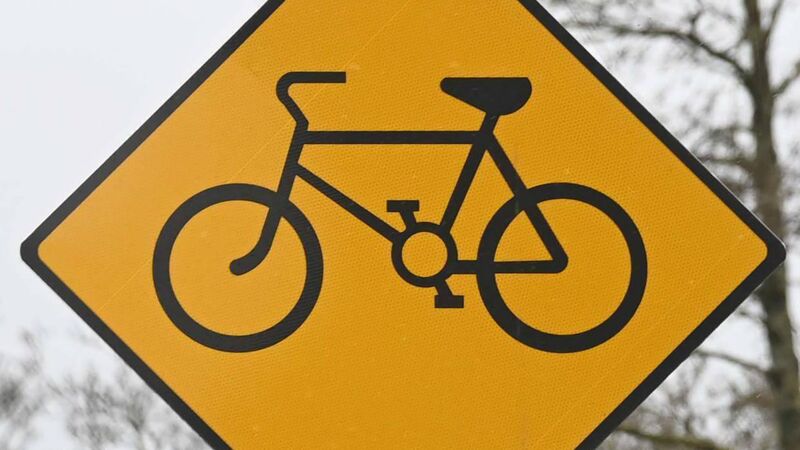
Some 69% of women either walked or wheeled five days a week, up from 52% in 2023, while 9% of adult residents aged 66+ cycled at least once a week, up from 5% in 2023. file image: Denis Minihane.
Adults in the Cork Metropolitan Area are taking an estimated 82,000 cars off the road every day by walking, wheeling or cycling instead of driving, according to new figures.
The 2025 Walking and Cycling Index from the National Transport Authority showed that across the country, residents in Dublin, Cork, Galway, Limerick and Waterford have altogether removed 666,000 car journeys daily. This cuts 120,000 tonnes of greenhouse gas emissions every year, which is equivalent to 1.5m flights from Dublin to London.
There was an increase of 14% in the number of people who walk or wheel (using a wheelchair or mobility scooter) at least five times a week in Cork. This was up to 66% in 2025, compared to 52% in 2023.
Read More
The findings showed that 66% of adult residents walk or wheel five or more days a week - this was up from 52% in 2023.
Some 69% of women either walked or wheeled five days a week, up from 52% in 2023, while 9% of adult residents aged 66+ cycled at least once a week, up from 5% in 2023.
Additionally, 52% wanted to walk more, while 38% wanted to cycle more in the future.
Looking across a broader national picture, the survey showed a high level of support for more government funding on walking and wheeling, as well as for cycling.
According to the NTA, the annual economic benefit from people not taking car journeys in the five Metropolitan areas each year comes up to nearly €3billion.
In health terms alone, from not driving, a total of 5874 serious long-term health conditions are prevented, saving the HSE an estimated €75 million, which is equal to 1.3m GP appointments.
Across Dublin, Cork, Galway, Limerick and Waterford, residents added that they would like better footpath surfaces, including dropped kerbs at crossing points, fewer cars parked on footpaths, more frequent crossing points with reduced wait times, as well as nicer places along the streets to stop and rest.
Those who cycled said they would like more infrastructural improvements, such as traffic-free paths through parks or greenways, signed cycle routes along quieter streets, as well as cycle tracks along roads physically separated from traffic and pedestrians.

CONNECT WITH US TODAY



Be the first to know the latest news and updates