Waterford beekeepers join forces to prevent return of Asian hornet
As of September 2025, two nests of the invasive Asian hornet were confirmed here, and removed in Cork. That was following 24 to 36 verified sightings primarily in the Cork and Dublin areas.
Two of the country’s leading beekeeping groups have announced a joint initiative to combat the threat of the deadly Asian hornet.
The move comes following the invasive species' rapid expansion across Europe which has raised the alarm among environmental groups and beekeepers.
As of September 2025, two nests of the invasive Asian hornet were confirmed here, and removed in Cork. That was following 24 to 36 verified sightings primarily in the Cork and Dublin areas.
No established population is currently known in Ireland, but vigilance is high after the first nest discoveries.
This week, the East Waterford branch of the Federation of Irish Beekeepers Associations (FIBKA) and the County Waterford Beekeepers Association of the Irish Beekeepers Association CLG (IBA) have agreed to co-ordinate efforts in what they describe as a critical step in protecting local honey bees, pollinators, and biodiversity.
The collaboration follows a constructive meeting between officers of both associations, where it was unanimously agreed that a countywide response is essential.
The groups will now work together to develop a shared monitoring and reporting system, exchange expertise and training, raise public awareness about Asian hornet identification, and liaise closely with national authorities as the risk to Ireland grows.
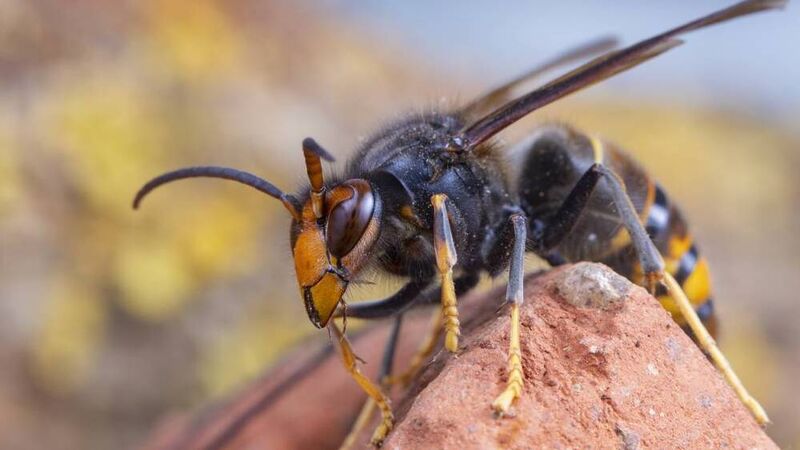
The Asian hornet (Vespa velutina nigrithorax), often called the yellow‑legged hornet, is an apex predator of honey bees and other pollinating insects.
Originally native to Asia, it has proven extraordinarily adept at colonising new environments. Its European presence traces back to a single mated queen accidentally introduced to Bordeaux in 2004.
Since then, the species has spread across north‑western Europe, becoming established in France, Spain, Portugal, and parts of the UK, particularly southeast England.
Sightings have been confirmed just 110 km from Holyhead, raising fresh concerns about accidental introduction to Ireland. France remains among the hardest‑hit countries, with nearly 10,000 nests confirmed in the Cherbourg area by May 2023.
The ecological and economic consequences are severe. The hornet’s predation weakens bee colonies, reduces honey production, and disrupts foraging. In some regions, the cost of protecting hives consumes up to 30% of a beekeeper’s income.

CONNECT WITH US TODAY



Be the first to know the latest news and updates