Third-level course sponsored by Greyhound Racing Ireland branded as 'cynical'
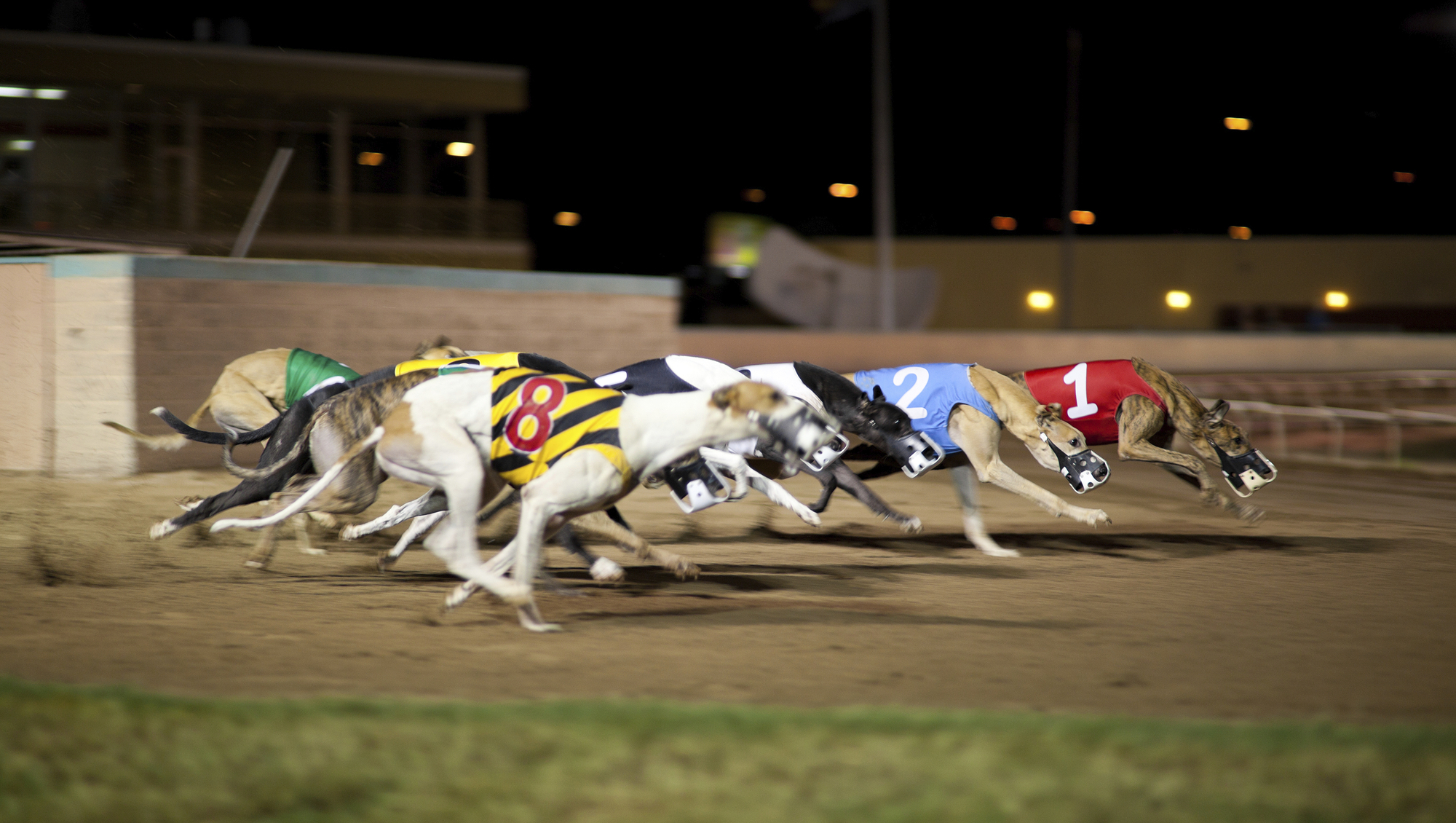
Technological University of the Shannon (TUS) has signed a memorandum of understanding with GRI which will see them work together to launch two new programmes. Picture: iStock
Campaigners have branded a move to launch accredited courses in collaboration with Greyhound Racing Ireland (GRI) as a “cynical attempt” to distract from serious animal welfare issues.
The Technological University of the Shannon (TUS) has signed a memorandum of understanding with GRI which will see them work together to launch two new programmes.
The development forms part of GRI’s five-year strategy, published last summer, which committed to introducing education and outreach programmes.
The greyhound racing industry has faced increased scrutiny in recent years after a series of documented animal welfare issues.
Nuala Donlon of Greyhound Action Ireland described the launch of the new courses at TUS as a “cynical attempt by the greyhound board to pretend it cares about welfare in the industry”.
She called on TUS to clarify why it has aligned itself with such a “toxic” activity.
“It’s so out of step with how the public opinion on greyhound racing is going,” she said.
The technological university said the courses have been “designed to advance education, professional standards and animal welfare across Ireland’s greyhound industry”.
Fees for the 15-week Certificate in Greyhound Welfare & Husbandry Level 6 course total €1,000, with GRI to cover 75% of applicants’ fees.
The course, aimed at people already working in the greyhound industry, is “designed to build welfare and husbandry knowledge”. TUS has also launched a special purpose award in greyhound health, injuries & drug analysis, with further information on the course expected soon.
Ms Donlon said an analysis of Greyhound Racing Ireland’s traceability system shows that of the 12,483 dogs born in 2021, 5,118 are dead or unaccounted for.
She added that in 2024, 5% of all dogs put out to race on greyhound tracks were dead before the end of the race, or soon after. The figures for the first eight months of 2025 show a similar trend, she added.
However, these figures were not acknowledged by the GRI when queried by the Irish Examiner.
It cited a recent letter to the editor sent by its chief executive Tim Lucey in which he said verified figures, from January to June last year, showed more than 1,000 track and kennel inspections conducted, with a compliance rate of 95.2% fully compliant.
In terms of testing and sample compliance, 3,827 samples were taken, with a rate of 99.3% compliance with regulatory standards.
A spokeswoman for GRI said the course forms part of its five-year strategy, which has been fully signed off by the Department of Agriculture.
“This educational initiative demonstrates a shared commitment to education, professional development, and the ongoing improvement of standards within the industry,” she said.
“By offering fully accredited courses through TUS, we are creating pathways for skills development, innovation, and career opportunities for individuals working within the sector.”
- Jess Casey, Education Correspondent