UCC study finds never-before-seen preservation of animal tissue in volcanic rock
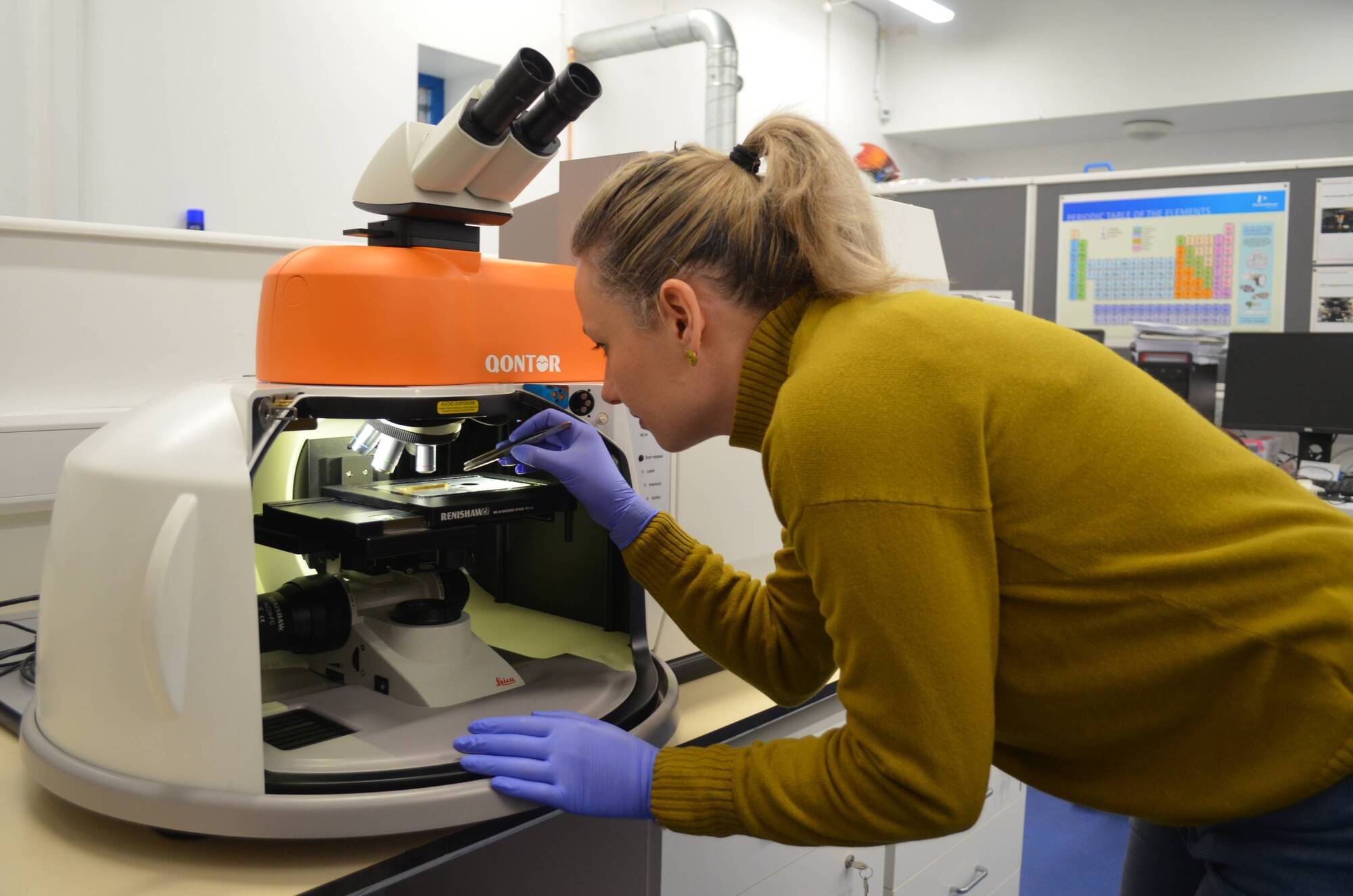
The international team, led by UCC's Dr Valentina Rossi (pictured) showed that the feathers of an ancient vulture were preserved in microscopic 'feather pigment structures'. Picture: Dirleane Ottonelli
A groundbreaking new discovery in the study of a 30,000-year-old vulture fossil, led by University College Cork (UCC) research, has shown that volcanic rock can preserve tiny elements of animal tissue.
In studying the ancient vulture, first discovered by a farmer in 1889 near Rome, the researchers were able to show that the feathers of the remarkably well-preserved animal were preserved in microscopic “feather pigment structures”.
The revelation shows that animals buried in ash-rich volcanic substances can have their soft tissues preserved, the first ever record of such a phenomenon.
Ordinarily, fossil-preserved feathers are found in ancient mud rock at the bottom of lakes and other water-bodies. Discovering such a fossil preserved in volcanic ash brought the researchers into “uncharted territory”, said UCC’s Dr Valentina Rossi, a postdoctoral researcher in paleobiology, who led the international team carrying out the investigation.
“The fossil vulture is preserved in ash deposits, which is extremely unusual. These feathers are nothing like what we usually see in other fossils,” Dr Rossi said.
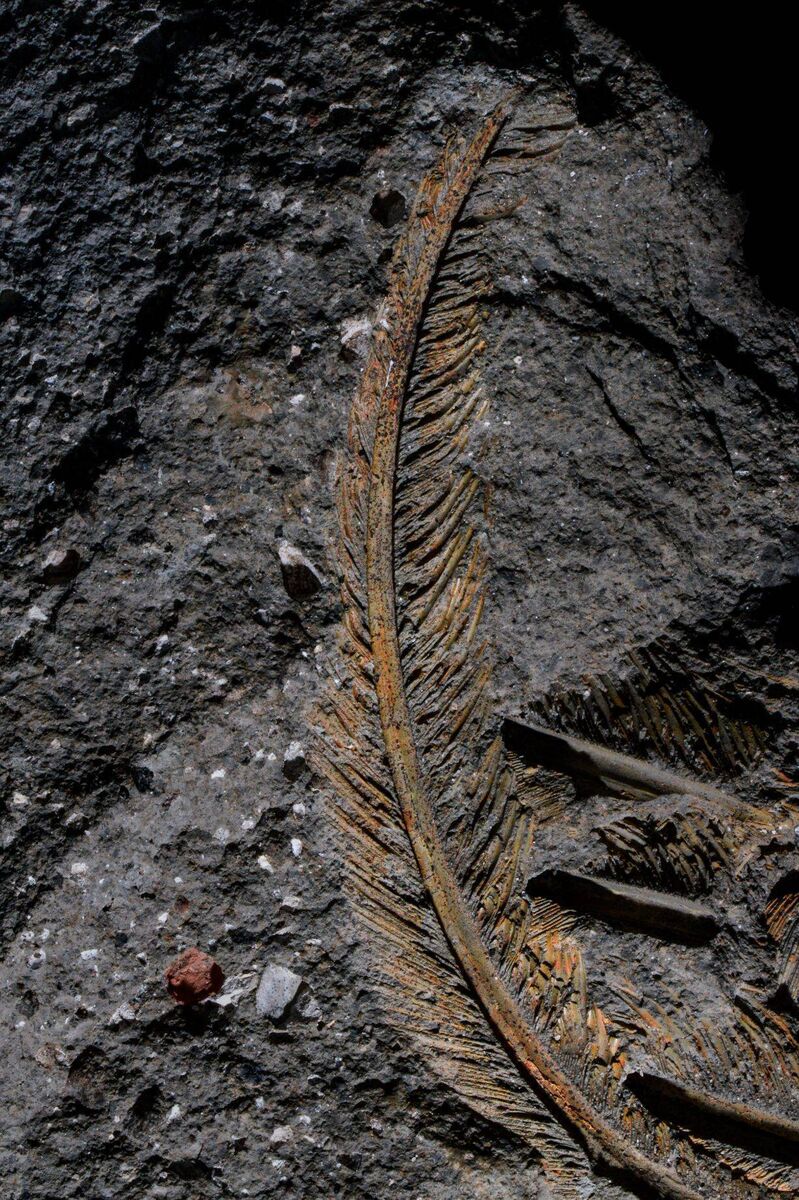
The research, newly published in the scientific journal Geology, was carried out by analysing tiny samples of the fossil feathers using electron microscopes and chemical tests.
The study states: "Fossils preserving evidence of soft tissues are essential for our understanding of the evolution of life and ancient biodiversity."
That work showed that the fossilised vulture had been preserved in a ‘zeolite’ - a mineral composition commonly found in volcanic settings. It is a form of preservation never before reported.
Dr Rossi noted that the passage of water through the zeolite had led to the feathers of the ancient vulture to be replicated down to “the tiniest cellular detail”. She added that the sheer detail of the preserved feathers indicates it had been preserved in a low-temperature volcanic deposit.
The discovery indicates that volcanic deposits, which had up until now been seen as far more likely to destroy tissues rather than preserving them, should be the focus of further research given the likelihood that especially well-preserved fossils may be discovered, the researchers said.
“These geological settings are complex and can include low temperature deposits that can preserve soft tissues at the cellular level,” Professor David Iurino of the University of Milan, the study’s co-ordinator said.
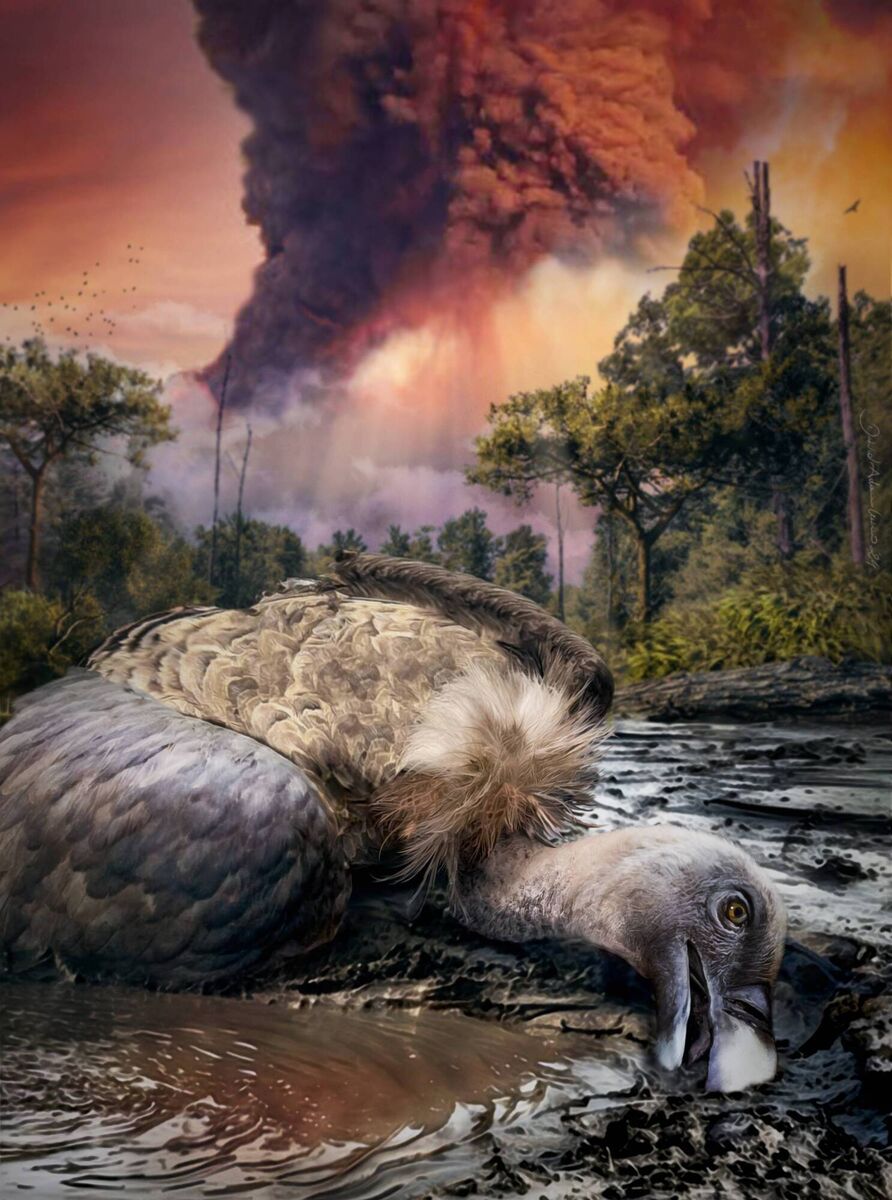
“The fossil record is continually surprising us, be it new fossil species, strange new body shapes, or in this case, new styles of fossil preservation,” UCC’s Professor Maria McNamara meanwhile said.
“We never expected to find delicate tissues such as feathers preserved in a volcanic rock. Discoveries such as these broaden the range of potential rock types where we can find fossils, even those preserving fragile soft tissues.”
That ‘fossil’, first discovered in 1931, had previously been believed to have been an important specimen for understanding the ancient evolution of early reptiles.
While parts of the discovery were genuine, such as the bones of its hind limbs, much of the once-celebrated discovery had been artificially-created, a deception which had misled previous researchers and which led Dr Rossi’s team to urge caution with regard how the find was to be used in future studies.
CONNECT WITH US TODAY



Be the first to know the latest news and updates