Limerick TD puts most of the blame on European politicians for allowing 'fake news' online
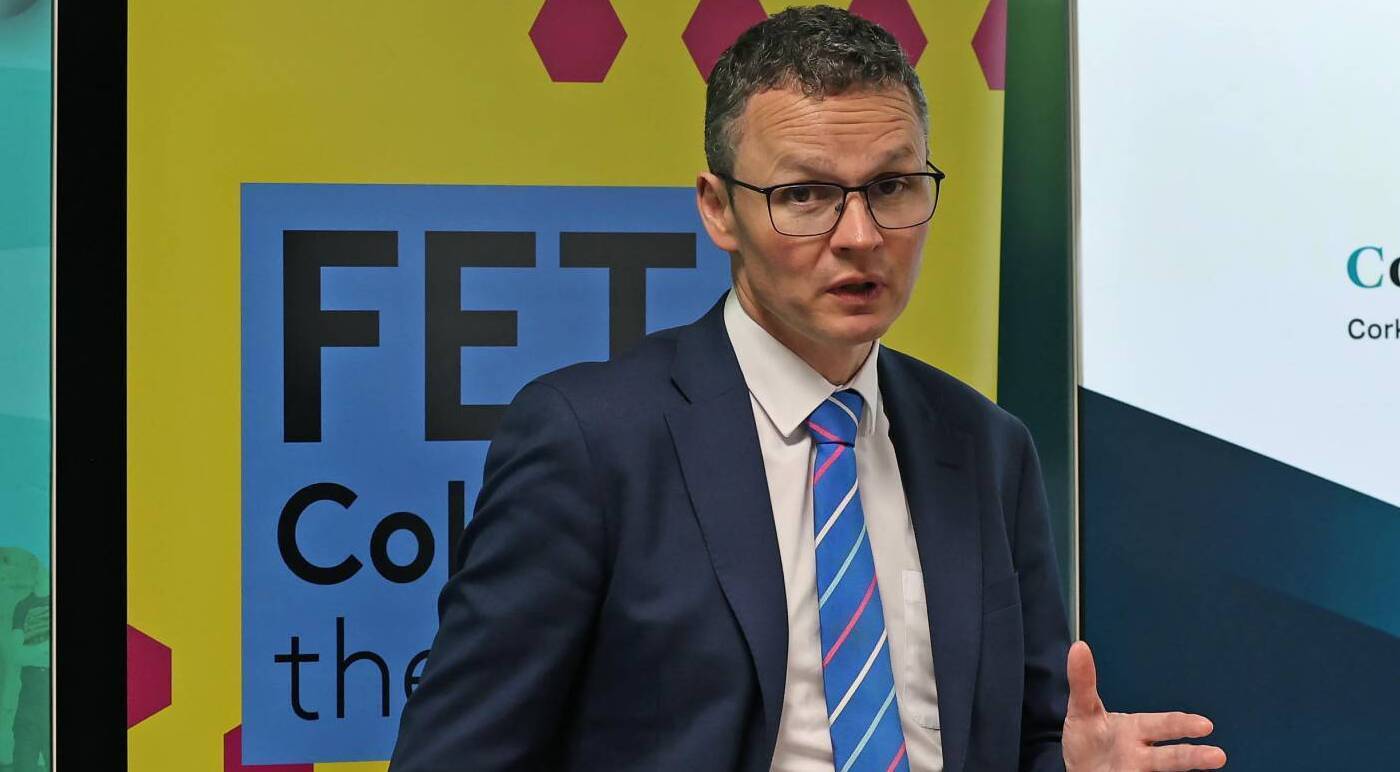
'European politicians, I think, are to the fore, in the blame here. They have accepted it, thrown their hands up in the air, 'there's nothing we can do'. There absolutely is something that can be done," Patrick O'Donovan said
Limerick TD puts most of the blame on European politicians for allowing 'fake news' online

Patrick O'Donovan: 'We elect members of the European Parliament to do a variety of different things — and I wonder sometimes what they do.' File picture: Jim Coughlan

European politicians are largely to blame for 'fake news' being permitted to be published online without consequence, Higher Education Minister Patrick O'Donovan has said.

The Limerick TD said legislators in the EU have "thrown their hands in the air" and resigned themselves to not addressing misinformation and disinformation that has been published on online platforms.


Mr O'Donovan said that things published on social platforms are not subject to the same scrutiny as traditional media and this allows individuals to publish information without any implications. 

The lack of consequences for incorrect information disseminated online can also lead people to take what they read as fact, he said, saying it is an issue that came up during the general election.

"European politicians, I think, are to the fore, in the blame here. They have accepted it, thrown their hands up in the air, 'there's nothing we can do'. There absolutely is something that can be done," Mr O'Donovan told the Irish Examiner.

To say nothing can be done puts us on a "one-way ticket to nowhere" in terms of what is a safe, accurate, reportable and repeatable form of news, he said.

The responsibility for the "fight against disinformation" now falls to Fianna Fáil's Michael McGrath after he took up the role of EU Commissioner for Democracy and Justice in November.

"We elect members of the European Parliament to do a variety of different things — and I wonder sometimes what they do, and that's another thing — but one of the things they should be doing across all of the member states is saying no and stop to people who are permeating hate and lies and inculcating a culture that is really, I think, debasing modern liberal democracies all over Europe," Mr O'Donovan said.

The Minister for Further and Higher Education said that schools could play a part in teaching young people media literacy skills to help them to navigate an online world that is increasingly filled with misinformation and disinformation.

However, Mr O'Donovan warned against using the school system to "solve societal norms" saying that every time there is a social issue to be resolved there is almost a default response to pass it on to the schools.

"Then we are actually going to have the schools in loco parentis and then at some stage we are going to wonder will they have time to teach anything other than what they should be taught at home," he said.

The Information and Communication Technology (ICT) curriculum would need to be looked at "in the context of what people are being exposed to now", as well as how they relate to people online and how to protect themselves. This is something that parents also need to take action on at home by being aware of the content their children are being exposed to online, he said.

"There is a responsibility issue here as well that goes far beyond society, far beyond the State, far beyond educators, far beyond departments," Mr O'Donovan said. 

We have to ask ourselves as parents, as people who bring children into the world, what are they watching on television?

Young people have switched off from terrestrial television preferring to watch streaming platforms, YouTube and TikTok, he said, which makes it more difficult for parents to know what content has been consumed.

Meanwhile, the threat posed by young people shunning conventional media must be addressed before it is too late, he said, but it is not an issue Ireland can address alone and must be addressed at an EU level. Mr O'Donovan added that he doesn't see any appetite from European legislators to deal with the problem.

x

More in this section

Lunchtime News

Newsletter

Keep up with stories of the day with our lunchtime news wrap and important breaking news alerts.

Cookie Policy Privacy Policy Brand Safety FAQ Help Contact Us Terms and Conditions

© Examiner Echo Group Limited