Tourism plan calls for 'visitor attraction of scale' in Cork's docklands
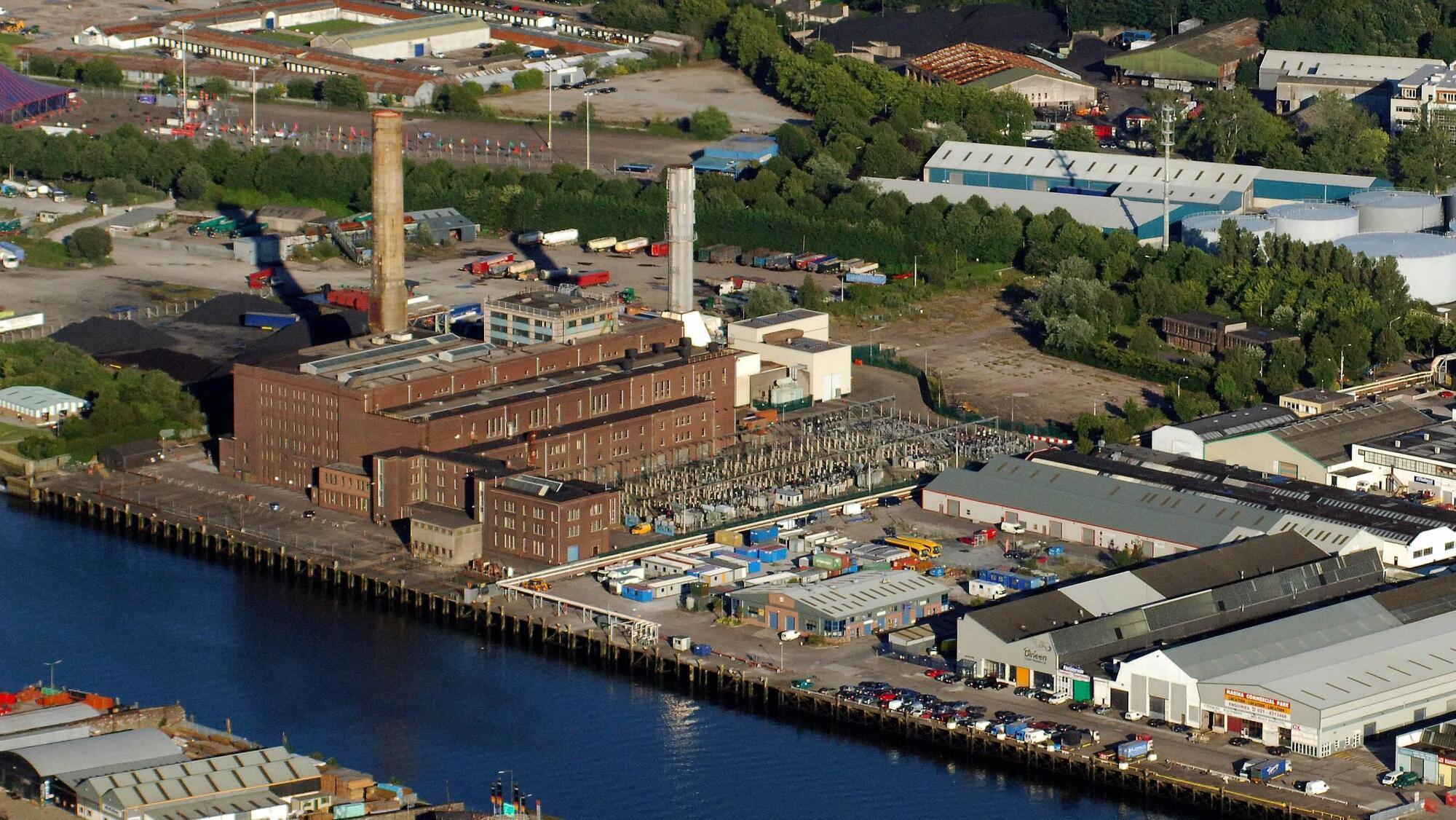
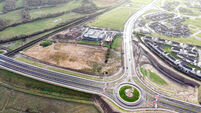
The report says the development of a major visitor attraction in the docklands would serve as an anchor for the region’s wider tourism offering and should be a key focus of the city’s wider docklands regeneration, which it says should feature ‘a new vision for tourism’. File picture: Denis Scannell
A 'visitor attraction of scale' should be developed in Cork’s docklands to help drive tourism, according to a major new plan for the region.
Fáilte Ireland’s five-year tourism development plan for Cork City, Harbour and East Cork also aims to position the region as Ireland’s food capital and to link a number of harbour destinations via greenways and blueways.
But it says the development of a major visitor attraction in the docklands would serve as an anchor for the region’s wider tourism offering and should be a key focus of the city’s wider docklands regeneration, which it says should feature ‘a new vision for tourism’.
“It will address the lack of a major “pull factor” in Cork City and begin to address the transient “first night, last night” nature of existing leisure business to the city,” the plan says.
“Long term, such an investment will represent the start of a new focus on the leisure market opportunity for Cork City.”
The 'attraction of scale' proposal is one of six ‘destination catalyst projects’ contained in the Cork City, Harbour and East Cork Destination and Experience Development Plan (DEDP) which was launched at Blackrock Castle Observatory on Monday.
It says these projects could link the various destination experiences, expand the range of things to do and see and encourage visitors to explore local communities. The projects include:
- the development of new tourism trails linking land, water and cultural experiences using existing or new greenways and blueways, running from Ballincollig in the west to Midleton in the east;
- the development of a more cohesive harbour islands experience focused on Fota Island, Spike Island, Great Island and Haulbowline, by linking the islands, water access hubs and developing the local experiences in various communities through investment in active travel and marine tourism activities;
- the creation of five city centre cultural districts to include the Crawford Gallery, the city centre library, the docklands, St Fin Barre’s, Shandon and the VQ;
- the development of the Midleton to Youghal Greenway, which the plan says has the capacity to transform the trail head towns on the route;
- and the positioning of Cork as the Food Capital of Ireland, through the development of food and agri-tourism experiences linking the region’s markets and restaurants with their food sources, as well as the creation of an evening cultural and market offering.
Fáilte Ireland says the plan aims to create a sustainable tourism destination by extending the tourism season and spreading business across all parts of the region over the next five years, through the delivery of “priority projects and hero experiences”.
Agency CEO, Paul Kelly, said: “The development of a new attraction of scale, creating a world-class harbour experience as well as positioning the Cork food story as an inherent part of the visitor offering will strengthen Cork’s position as an internationally compelling destination in Ireland’s Ancient East.
“Fáilte Ireland is committed to and focused on the sustainable development of tourism across Ireland which is an important economic driver and source of employment."
DEDP co-chairs Aileen Murray and Derry Cronin said they are looking forward to the roll-out of this ambitious plan with a great sense of confidence.
“This plan sets out the actions, priorities and future investment for the area, by focusing on increasing the value of tourism, growing the appeal of the destination and increasing visitor spend,” they said.
Tourism chiefs said the challenges the sector must address are:
- the traditional reliance on business tourism in Cork City;
- the high volumes of day visits to key attractions not converting to overnight stays for the destination;
- the perception of Cork City as not being a family-orientated destination;
- the association of the area as ‘first day, last night’ destination;
- the lack of an iconic attraction of scale in the city;
- limited opportunities for visitors to engage with the maritime or river story;
- the difficulty for visitors to understand and access a broader Cork Harbour tourism experience, and harbour towns and villages largely unconnected to the tourism opportunity;
- and low levels of awareness of East Cork as a key tourism destination despite the existence of several large attractions.


CONNECT WITH US TODAY



Be the first to know the latest news and updates