Open drug dealing and usage 'accelerating' in Mid West, report warns
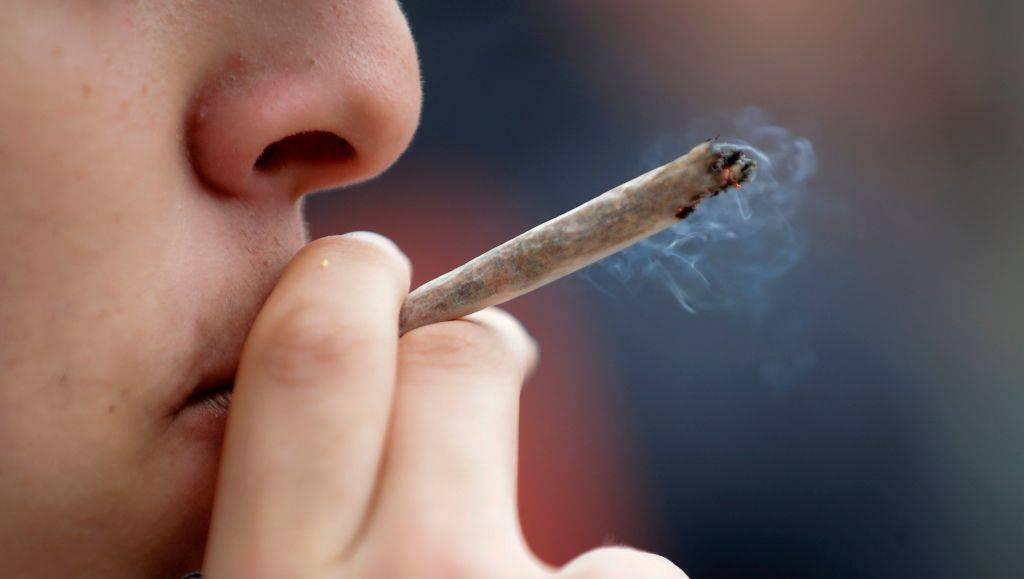
Drugs workers said that the daily use of cannabis 'has become normalised', especially among young people.
Open drug dealing and usage, intimidation and drug-debt violence is âacceleratingâ in the Mid West and âfuelling fearâ in communities, according to a new report.
People working in local drug services said that the situation has got so bad that, in some areas, it is presenting a âserious community safety issueâ.
The Mid West Regional Drug and Alcohol Task Force Strategic Plan 2024-2027 said local drug projects are struggling with âno increase in fundingâ in their core budgets, yet are facing âincreased needsâ from people.
The plan, due to be launched on Friday, said community and voluntary organisations are struggling with recruitment and retention of staff.
The task force covers Limerick, Clare, and North Tipperary with 1,538 people in the area receiving an intervention from drug and alcohol services in 2022.
Almost 60% were from Limerick City or county (excluding East Limerick), 30% from Clare and the rest were from North Tipperary or East Limerick.
Stats show 40% are female, 20% are aged 30-34 and 5% are under-19.
Other key statistics show:
- 39% of treated cases were for problematic alcohol use;
- 19% were for cocaine use;
- 15% reported heroin as their main problem drug;
- 50% reported polydrug use (more than one drug);
- 27% reported three or more problem drugs;
- 2% were a âconcerned personâ (partner, child or sibling)Â
The strategy consulted with more than 60 people working in the drugs area in the region.
Some 75% believe that substance use and associated harms have worsened over the past three years.
Cocaine, including crack, cannabis, and alcohol were identified by respondents as the three main problem drugs.
One respondent said: âIn the last couple of years, drug trends have changed with crack cocaine being sold to vulnerable people in the Mid-West. This is having more of a negative impact due to the highly addictive nature of crack and will lead to more criminal offences and poor health outcomes for the individual.â
Drugs workers said that daily use of cannabis âhas become normalisedâ, especially among young people.
They said edible jellies and e-cigarettes were replacing smoking and vaping and is being used to âdisguise or facilitateâ drug use.
The report noted that Government legislation has been enacted to try and deal with the threat from vaping.
Local workers said polydrug use had now become âembeddedâ.
Summarising the views of the workers, the report said: âThe visibility of drug dealing/consumption, anti-social behaviour, intimidation and violence from drug debt and feuds is accelerating and fuelling fear across some communities in the mid-west region and presents a serious community safety issue.â
 They also said that young people with fragile mental health are more vulnerable to âgang affiliation and influence".
The documents set out a total of 31 actions over the coming years, covering education and prevention, treatment and recovery, community and task force development.