Two Munster mental-health centres breached physical-restraint rules
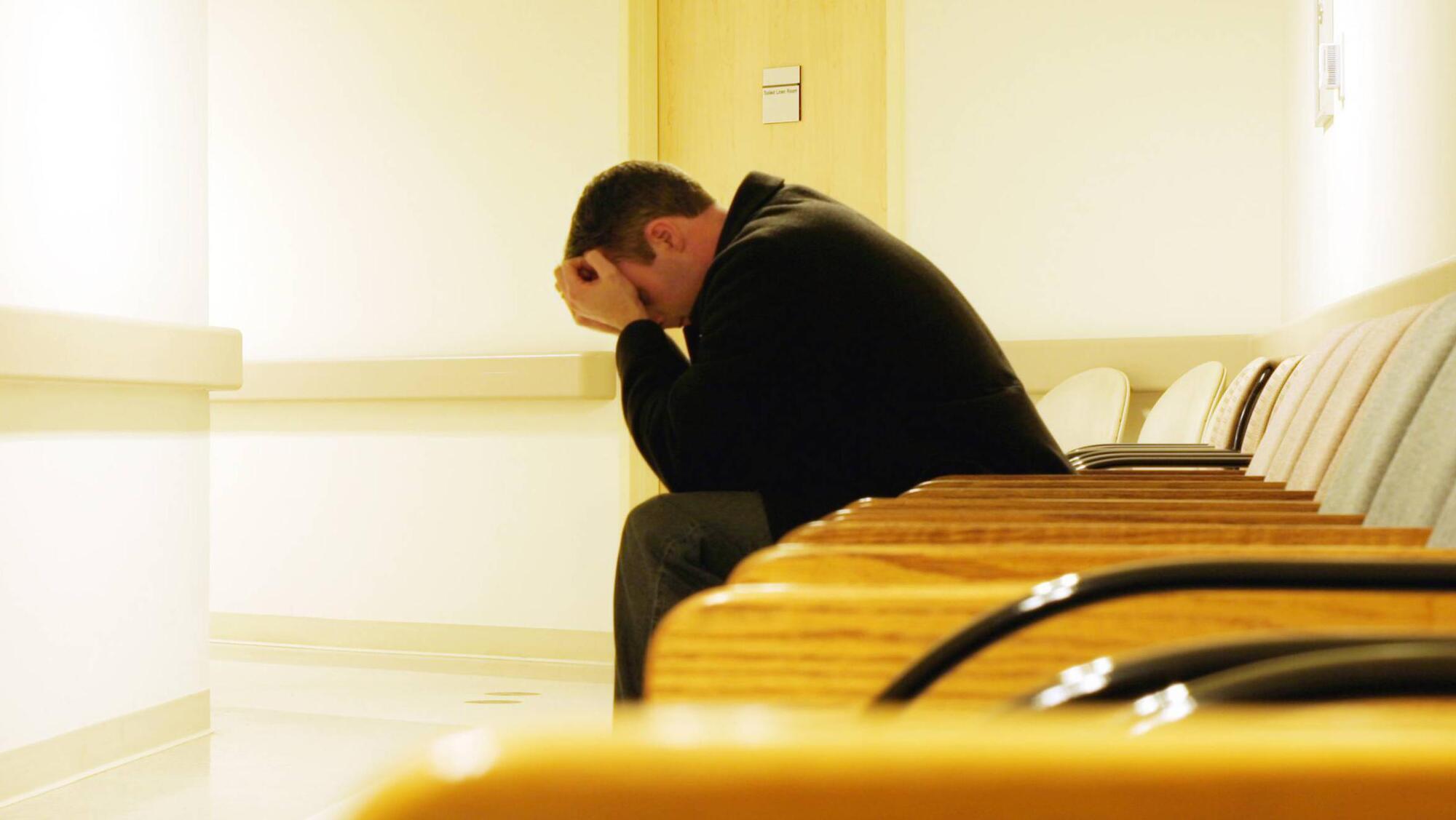
People who use mental-health services 'have a right to be cared for, and treated, in centres that are modern, fit-for-purpose, clean, and well-maintained'.
A number of mental-health centres showed critical or high-risk non-compliances during inspections, the Mental Health Commission (MHC) has said.
Reports were published on five centres around Munster, and all five had issues.
Six of the issues were critical and 19 were high-risk non-compliant in areas such as restrictive practices, risk management, and the quality of premises.
The reports included:
- The Cois Dalua centre in Newmarket, Co Cork (82% overall compliance, down from 97% in 2022);
- Units 2, 3, 4 and 8 on floor 2 of St Stephen’s Hospital in Glanmire, Co Cork (67% compliance, down from 71% in 2022);
- Acute Psychiatric Unit 5B on the grounds of University Hospital Limerick (74% compliance, up from 69% in 2022); and
- Cappahard Lodge located near Ennis, Co. Clare (72% compliance, down from 87% in 2022).
The MHC did note that all of the centres had good practices and quality initiatives.
These included:
- Community-based leisure programme that aimed to enhance service users’ ability to access local leisure facilities, improve community integration, and reduce the risk of isolation;
- The establishment of an individual care-plan working group and the development of new posters;
- The introduction of an initiative to ensure continuous quality improvement in restrictive practices, following changes in the rules by the MHC in January 2023.
However, there were "common themes of concern across all five centres", the MHC said.
Director of regulations at the MHC, Gary Kiernan, said: "We found that four of the five centres inspected were found to either have critical or high-risk non-compliances with the regulation on premises.
"These reports highlight that the current approach to capital investment in our publicly funded mental health units is not working. The four centres with non-compliant premises were HSE-operated inpatient units.
"People who use mental-health services have a right to be cared for, and treated, in centres that are modern, fit-for-purpose, clean, and well-maintained."
Mr Kiernan noted that two centres had critical and high-risk non-compliances relating to restrictive practices, specifically with the rules governing the use of mechanical restraint, and with the code of practice on the use of physical restraint.
He added: "While we have seen further positive reductions overall in the use of restrictive practices in recent years, it is, nevertheless, concerning to note that a small number of centres are still receiving critical-risk and high-risk non-compliances in this area.
"We strongly urge all services to adopt a strong human-rights focus when reviewing restrictive practices, as required by our national and international human rights instruments and legislation."

BLACK FRIDAY
Already a subscriber? Sign in

CONNECT WITH US TODAY



Be the first to know the latest news and updates