Irish hospitals often run at 105% capacity, Oireachtas health committee told
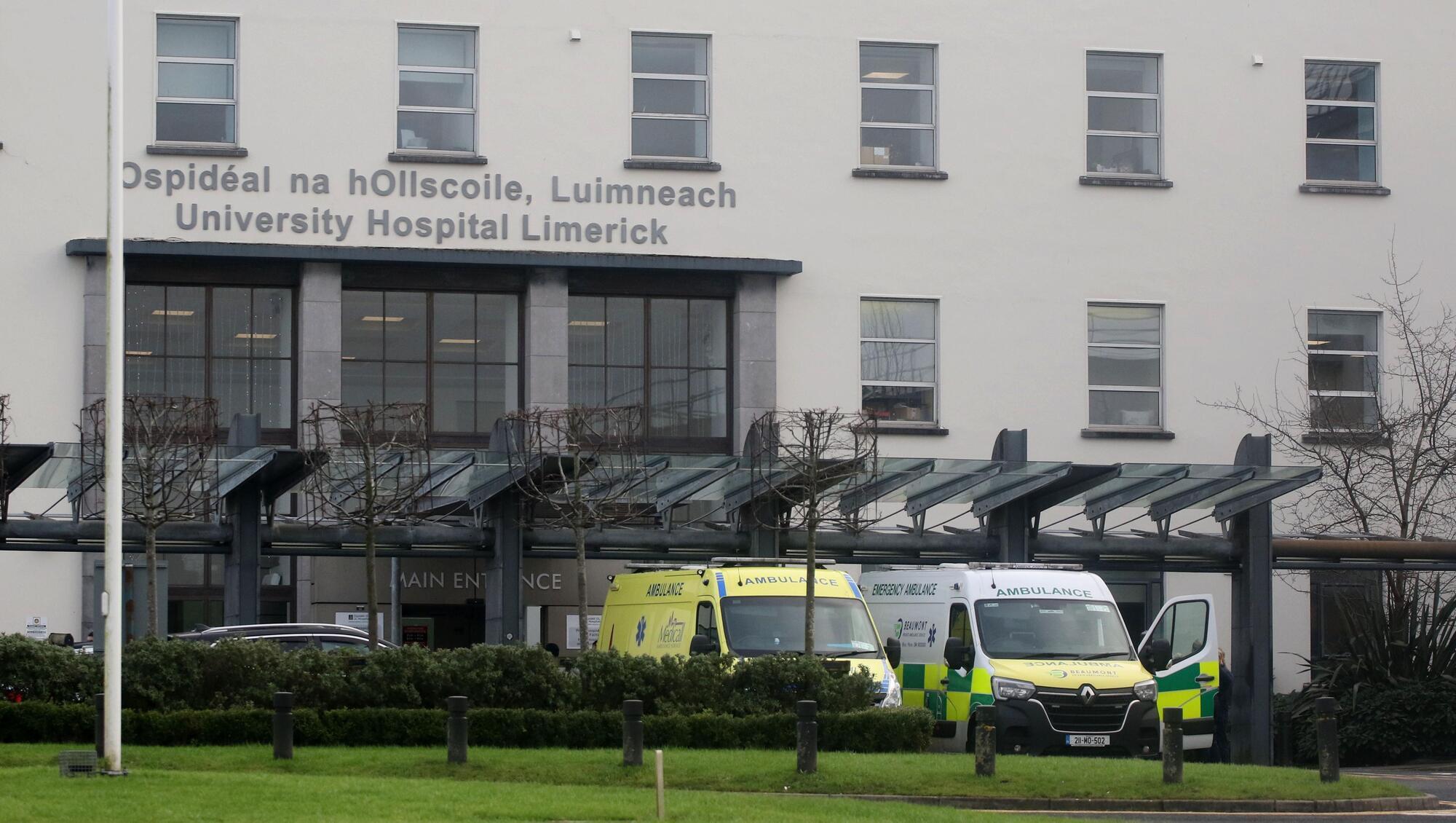
University Hospital Limerick is 'a severe example' of overcrowding nationwide, members of the Irish Medical Organisation told politicians.
Irish hospitals are often running at 105% capacity, far above the internationally recommended rate of 85%, the Oireachtas health committee was told on a visit to University Hospital Limerick (UHL) on Monday.
UHL is "a severe example" of overcrowding nationwide, members of the Irish Medical Organisation (IMO), told politicians. On Monday, some 80 people were waiting on trolleys at UHL, again the highest figure in the country.


Read

Listen

Watch

Play
CONNECT WITH US TODAY



Be the first to know the latest news and updates







Lunchtime News
Newsletter

Get a lunch briefing straight to your inbox at noon daily. Also be the first to know with our occasional Breaking News emails.

War of Independence Podcast
A special four-part series hosted by Mick Clifford
Available on
www.irishexaminer.com/podcasts

Commemorating 100 years since the War of Independence

Check out our diverse library of newsletters and get the best of the Irish Examiner delivered straight to your inbox
Most Read
Wednesday, September 30, 2026 - 9:00 PM
Wednesday, September 30, 2026 - 6:00 PM
Wednesday, September 30, 2026 - 8:00 PM