‘There has been utter destruction in Sudan,’ says Cork-based doctor
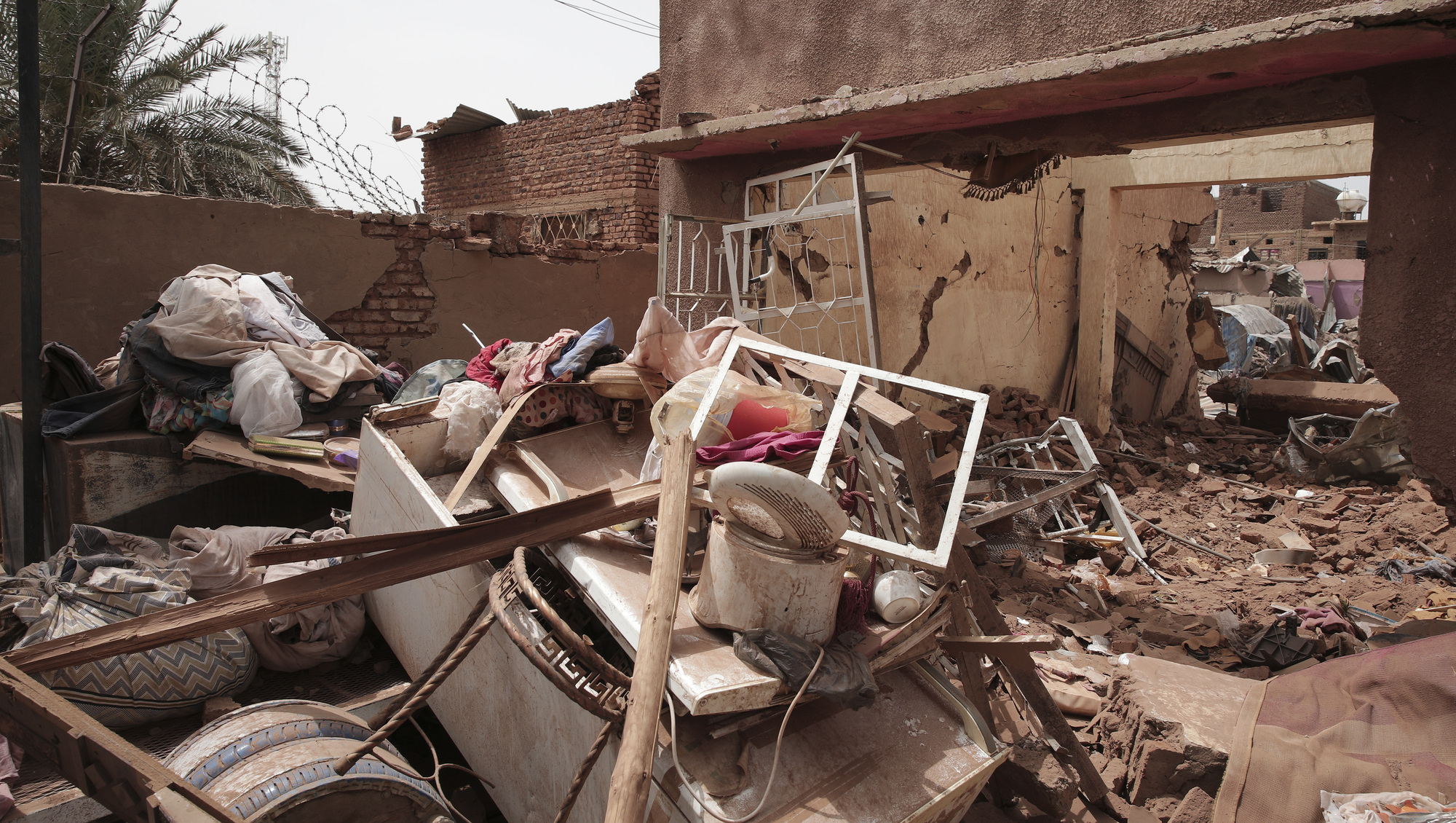
Cork-based paediatric consultant Osama Ali’s mother and siblings had to flee Sudan’s capital Khartoum, now the front line in the conflict between Sudan’s military and the Rapid Support Forces paramilitary group. Picture: Marwan Ali/AP
After 12 months of harrowing updates on the civil war ravaging his native Sudan, Cork-based paediatric consultant Osama Ali is unsure if his family home is even still standing.
For Dr Ali, who works in the Mercy University Hospital, daily images of Sudan on social media feeds show how the country is being torn apart, with so many locations he once frequented now utterly unrecognisable.
“I’ve seen some pictures of areas where I used to enjoy sitting and having a coffee or nice places to go for walks in the middle of the city. However, most of the places that were once busy with shoppers I can’t recognise. There are really no places left that aren’t beyond recognition.”
Today, April 15, marks the first anniversary of the Sudanese conflict, which has sparked a humanitarian crisis, but which has gone largely unnoticed in the West because of the war in Ukraine and, most recently, the Israeli bombardment of Gaza.
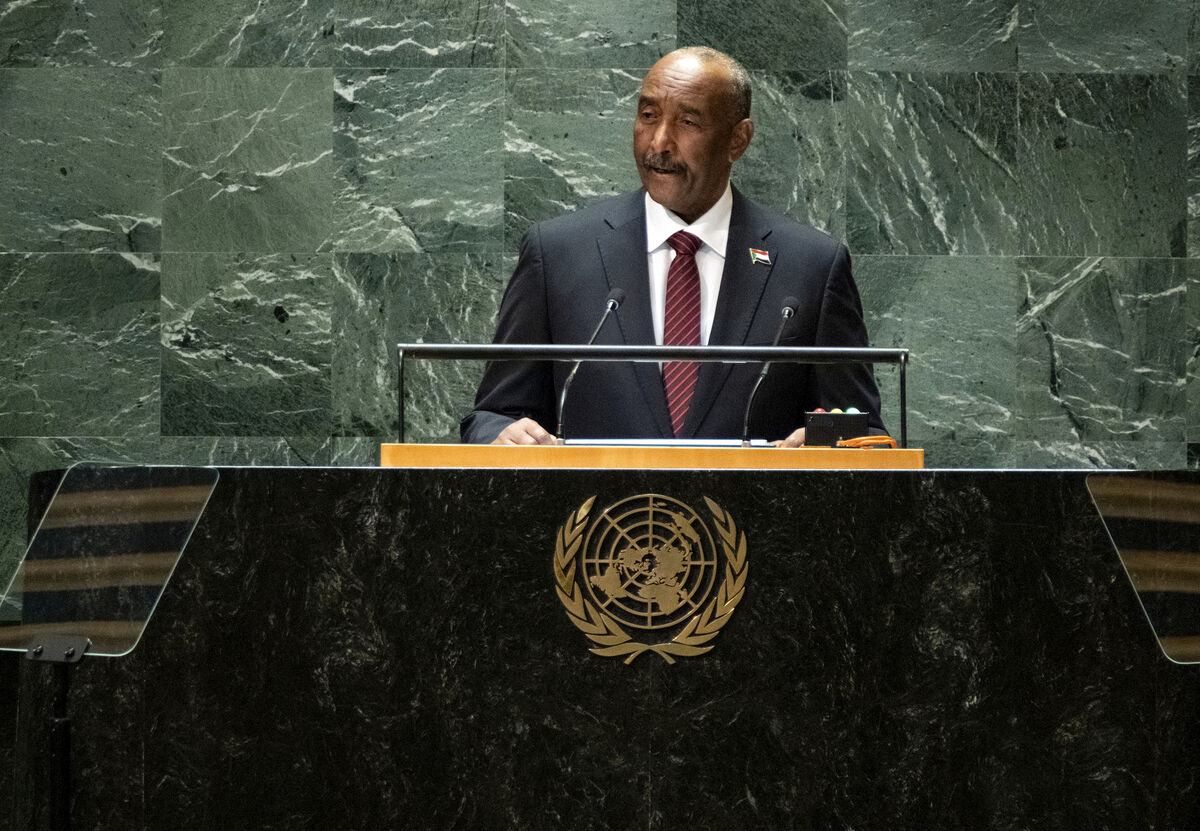
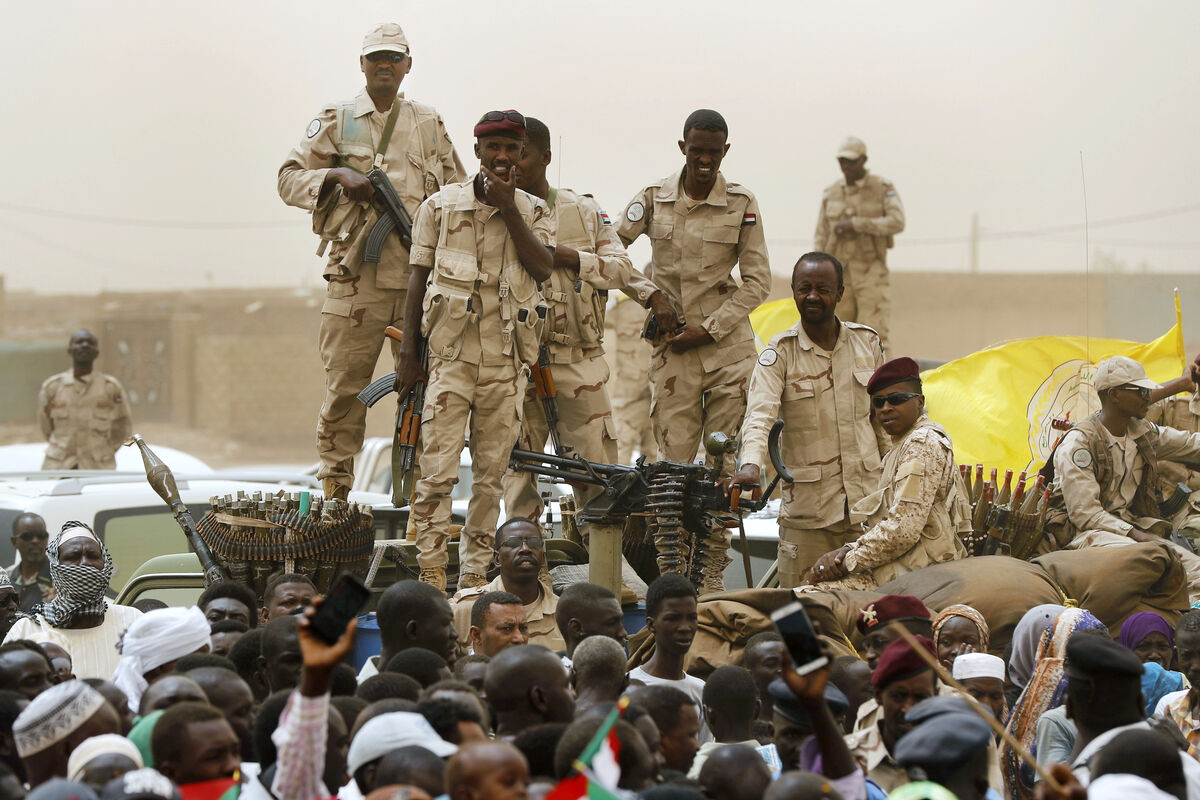
Two rival factions of Sudan’s military government — the Sudanese Armed Forces under Abdel Fattah al-Burhan, and the paramilitary Rapid Support Forces under Hemedti, also known as General Mohammed Hamdan Dagalo — plunged the Khartoum and Darfur populations into a nightmare.
As of January this year, the war had caused the deaths of up to 15,000 people, and 33,000 others were injured. As of March 21, more than 6.5m Sudanese were internally displaced and more than two million others had fled the country as refugees.
More than 100 sexual violence crimes are among the disturbing human rights violations observed by the UN to date.
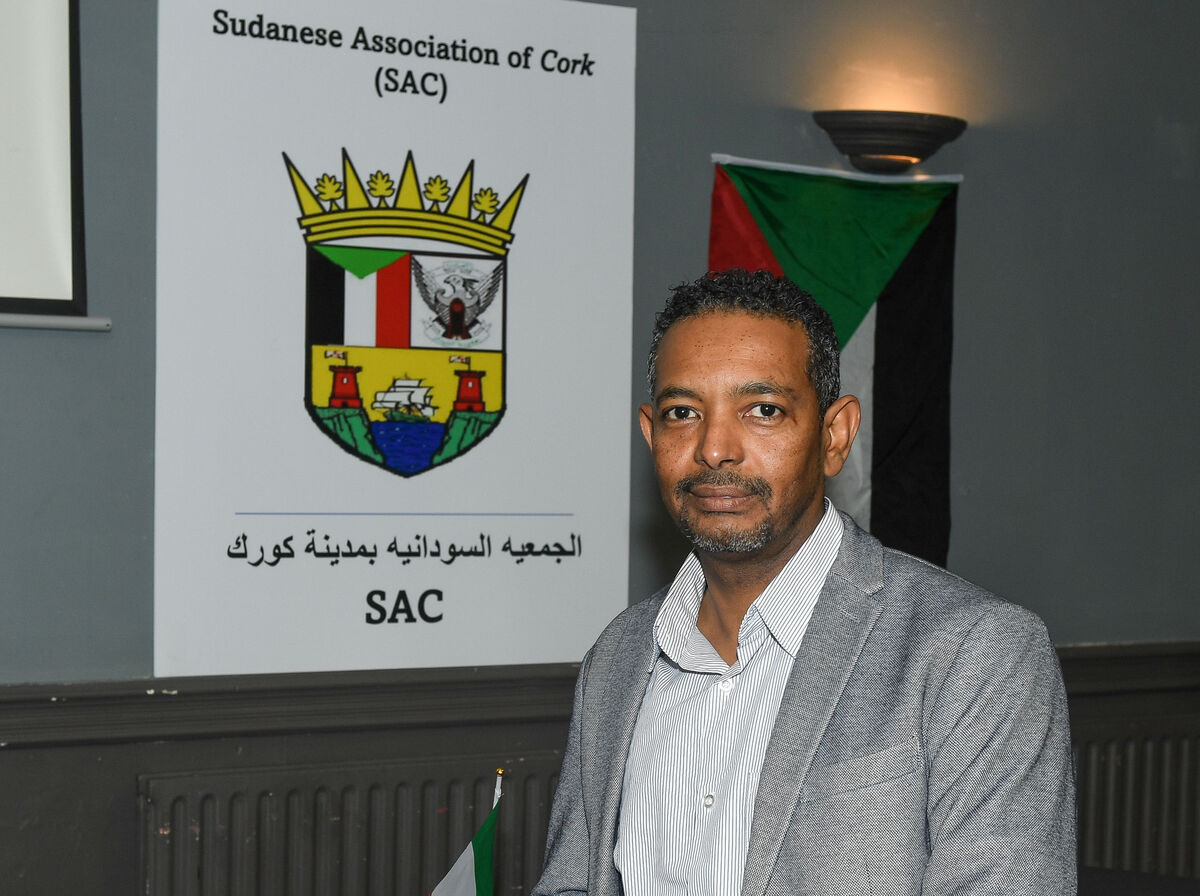
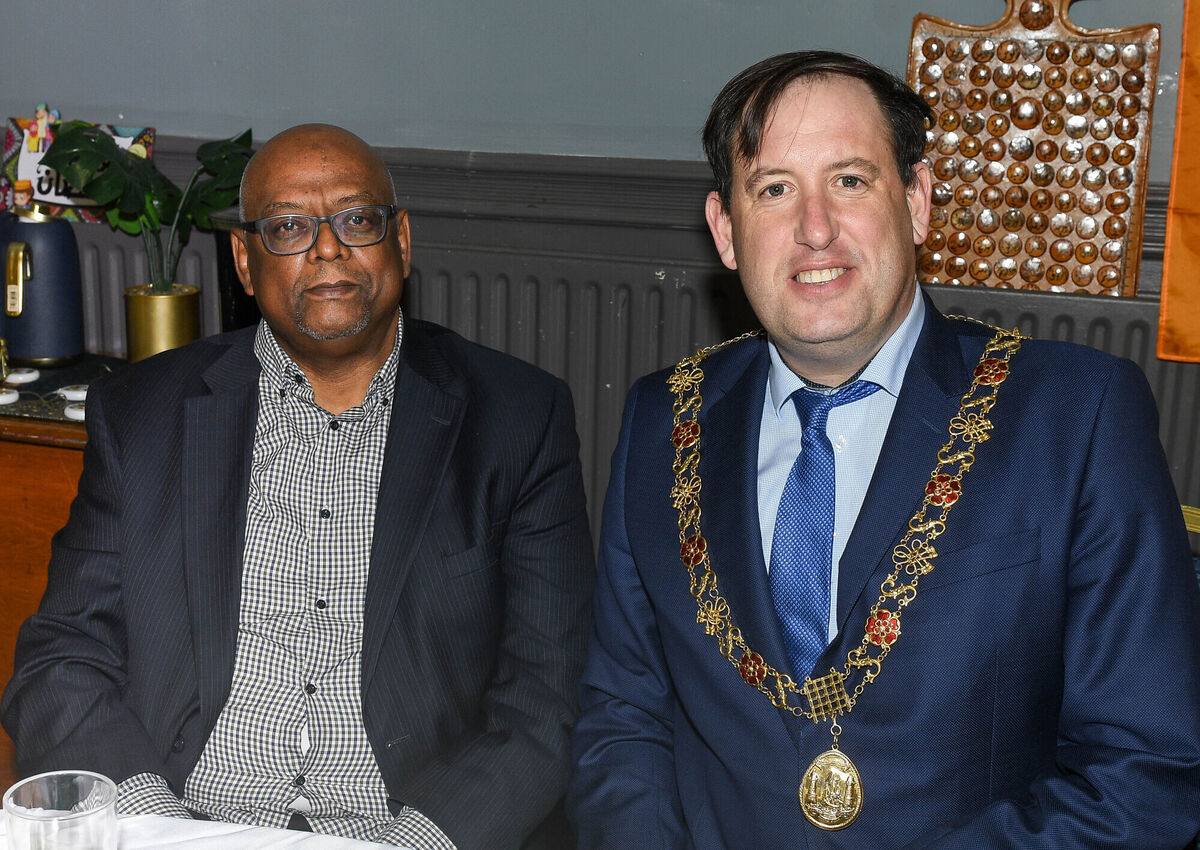
As the general secretary of the Sudanese Association of Cork, Dr Ali has been watching in horror the Sudanese people’s pain and is desperately hoping that some sort of peace can be restored.
The conflict has forced his mother and siblings to flee Khartoum for refuge in the north of the country. They have no way of finding out if their homes still exist.
“The area has been bombarded and all the homes are affected,” Dr Ali said. “It is now a deserted city. If you return to your home and it is in its place and standing, the infrastructure is still completely destroyed. This include the bridges, hospitals, and all the public places.
“The streets have also been destroyed, as have the water and power supply and sanitary system. You wouldn’t be able to live in your home because the city itself is uninhabitable.”
Dr Ali describes how one of his sisters had a narrow escape from the conflict.
“The house where she lived was caught between the two sides who are fighting. She managed to leave during a small window of a three-day ceasefire. Since then, we have been following what’s happening on the news every single day. It’s us always thinking about it and checking on our loved ones, always urging the sides towards a peaceful resolution.
“However, nothing in the near future seems very promising. The sad thing is that sometimes being displaced or being a refugee is a luxury. There are people who are left behind because they can’t afford to leave.”
He acknowledged the knock-on effect for other parts of the country.
“Both sides are to blame. This is not the first war in Sudan. There is a long history of painful conflicts, but this has been on such a large scale and it has affected so many people. The humanitarian cost is huge and the war is showing no signs of slowing down. More than half the population need assistance.
"They have food insecurity and a lack of access to communication. More than 70% of the hospitals are out of service. The education system has totally collapsed. There has been total and utter destruction in the country. Even in areas that are relatively safe in the north of Sudan, they are having to face everyone who is displaced and the lack of services for them.”
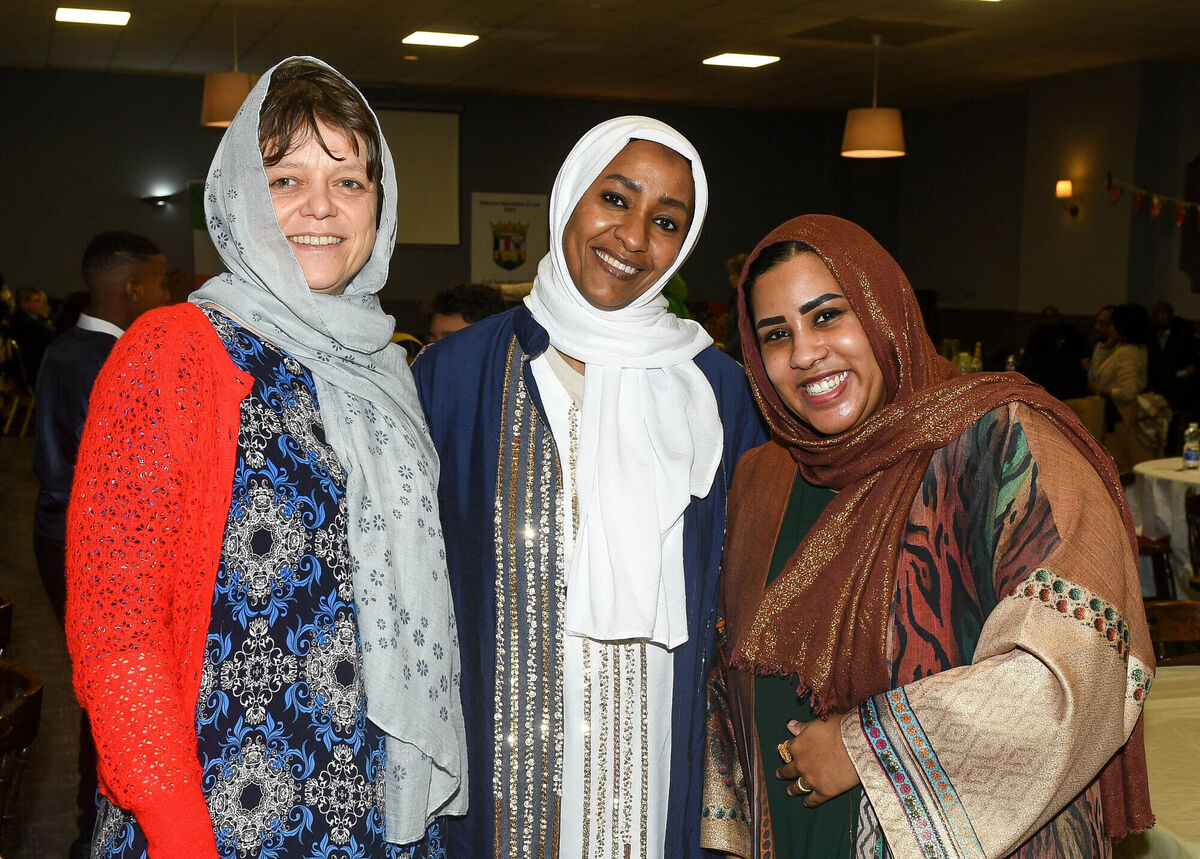
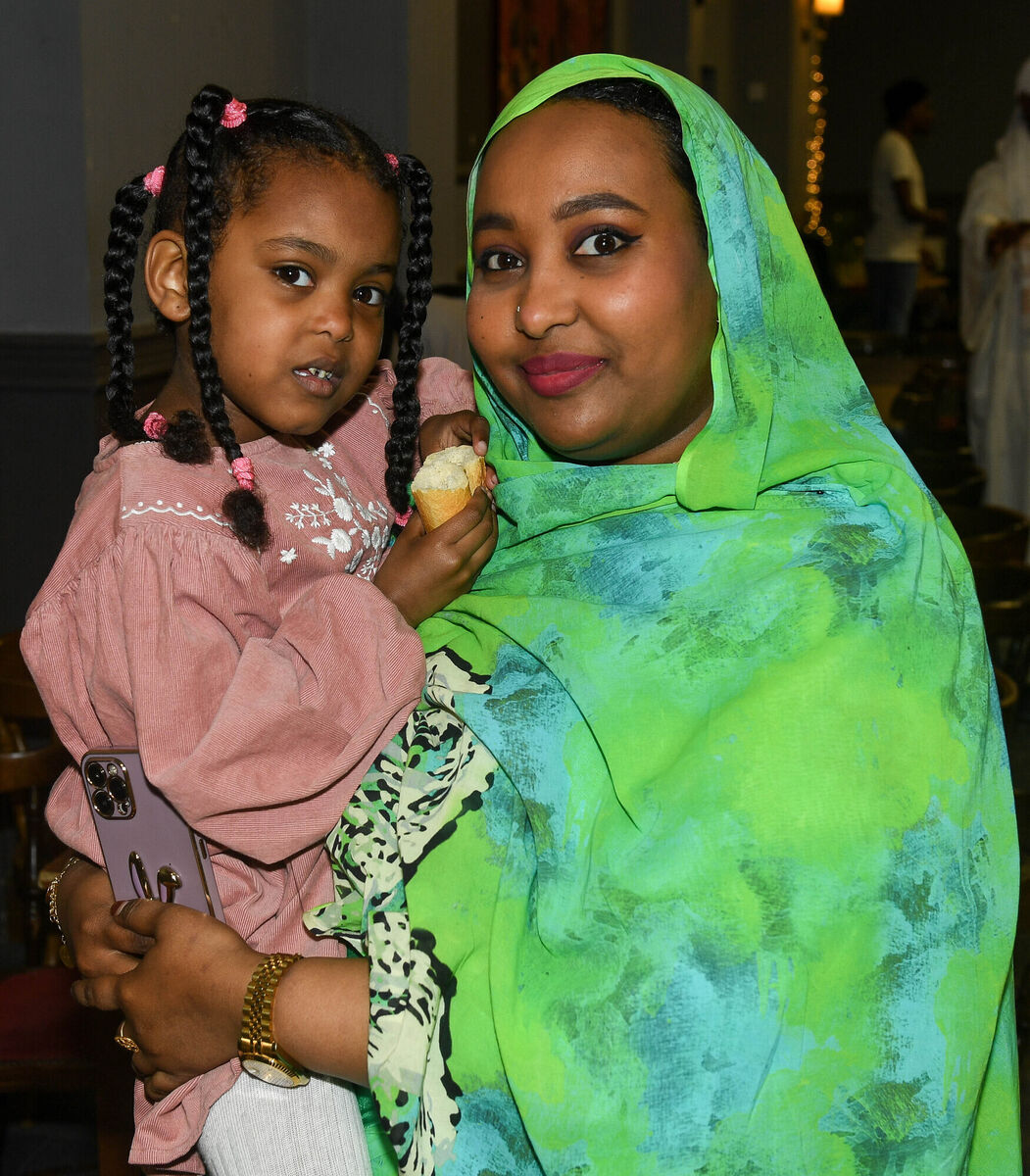
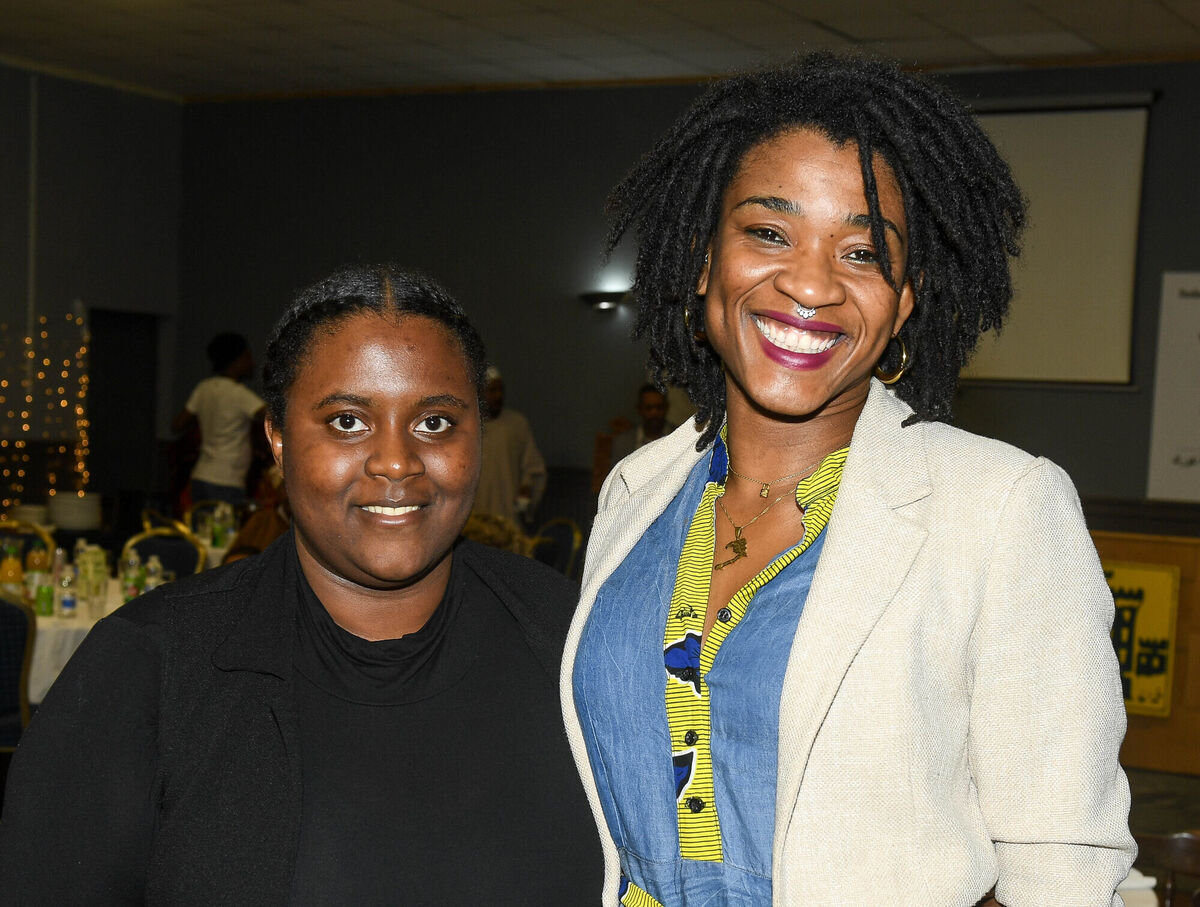
Members of Cork’s Sudanese community have been coming together to raise funds to send to friends and family back home. They also try to comfort each other amid all the uncertainty.
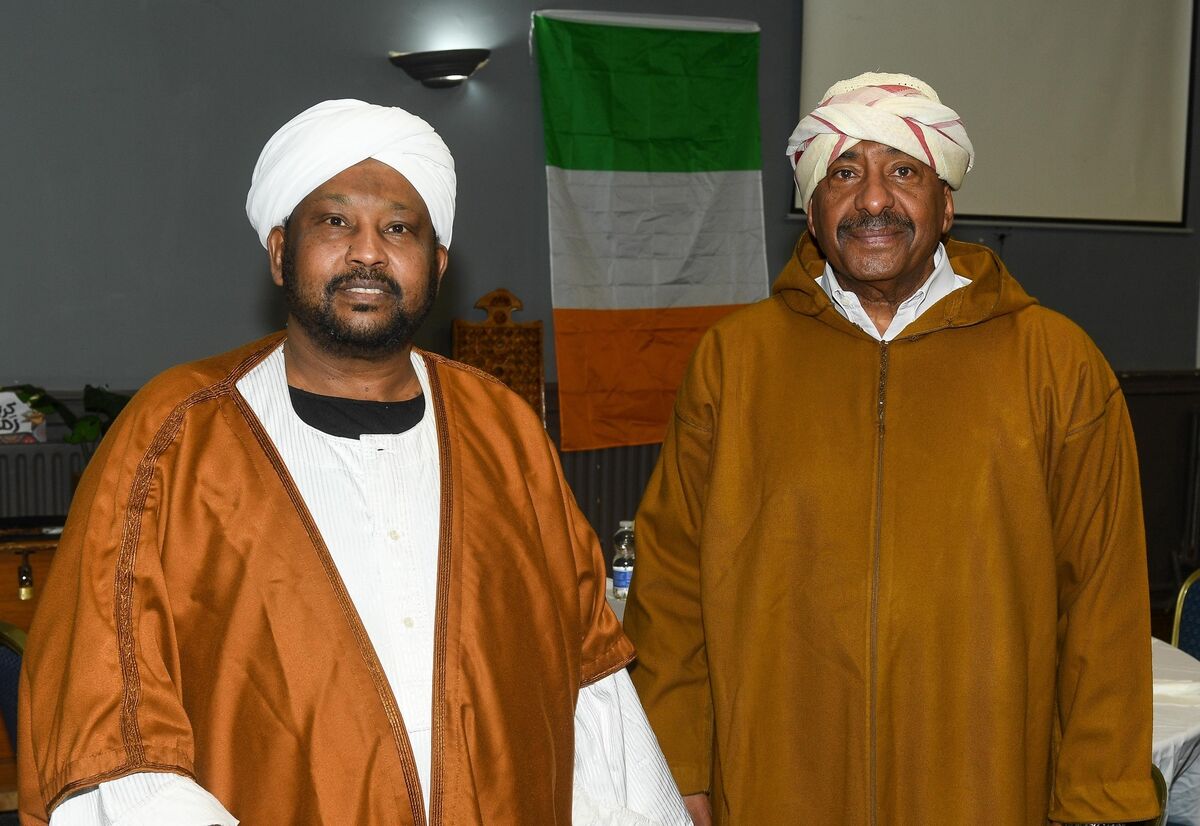
“The Sudanese community have always had that spirit of resilience,” Dr Ali says.
“We come together and support each other, sharing news from back home and praying for peace.”
His message to the rival factions of Sudan’s military government is simple: “Both sides need to listen to the voices of peace. They need to put down their weapons and agree on the terms of a peaceful resolution. There is no place for any of this in any part of the world.
"The national army are sometimes refusing to take part in peaceful talks but it’s impossible to have a military end to this conflict. It has to be peaceful. There has to be negotiation. Nothing will end without negotiation.
“We are not a rich country. It’s very hard for us to recover from these sorts of things. Even floods take a long time to recover from, never mind this level of conflict. They need to be realistic and look at the history in the world. All of these wars end with two sides sitting at a table reaching a peaceful resolution.”


CONNECT WITH US TODAY



Be the first to know the latest news and updates