Fresh hope for information after ‘domineering’ Ian Bailey’s death
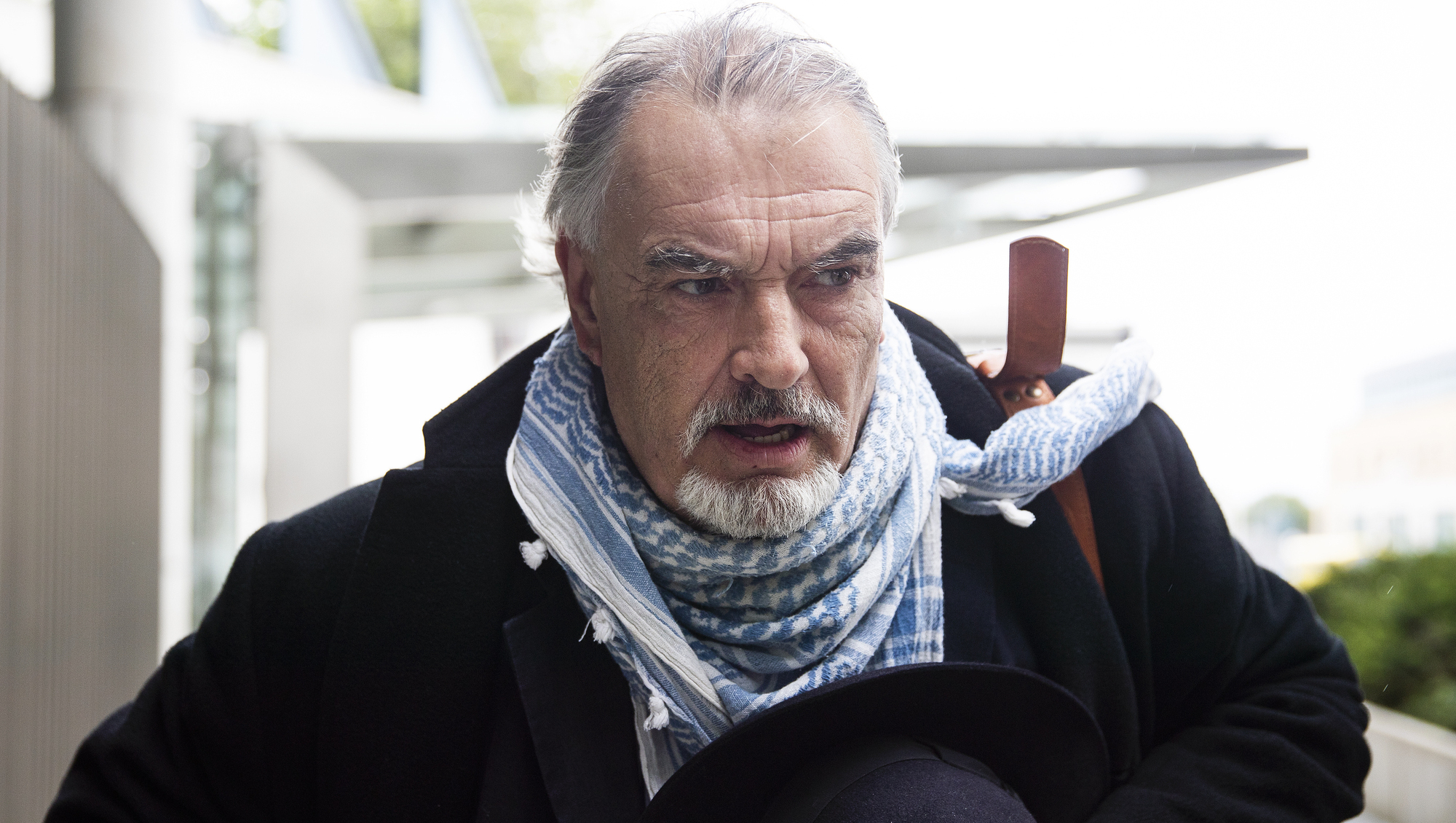
Senior gardaí have pointed out that the cold case investigation will continue even with the death of the main suspect, Ian Bailey, who was convicted of the 1996 murder in a 2019 French trial. Picture: Brian Lawless/PA
Gardaí investigating the murder of Sophie Toscan du Plantier are hoping that the death of the “domineering” Ian Bailey will encourage people to now come forward with information about the killing.
Senior officers also say that abandoning a cold case review of the murder because of Mr Bailey’s death would make a mockery of the cold case process.
It comes as a decision on whether to bury or cremate the Englishman will be determined by concerns that his final resting place could be desecrated.
His next of kin is his UK-based sister Kay Reynolds but his solicitor, Frank Buttimer, told the Irish Examiner that it is understood that Mr Bailey wanted to remain in Ireland even after his death.
A post mortem was not necessary after his death because Mr Bailey had been in ill health in recent times.
Senior gardaí have pointed out that the cold case investigation will continue even with the death of the main suspect, who was convicted of the 1996 murder in a 2019 French trial.
A 25 year sentence was imposed but his extradition to France was blocked by an Irish High Court court decision in October 2020.
“Just because a suspect dies, doesn’t mean the investigation stops,” one source said.
Another said a mockery would be made of the cold case review system if it did not continue because of Mr Bailey’s death.
He said: “Sophie’s family still deserve an answer, if we can give them one, as to what happened.”
“With a very, very domineering character in the whole thing now gone, maybe there is somebody out there who might now be able to come out and say they know something about the case.”
It is understood that some DNA material from the murder case could not be processed previously, but sources said there have been significant advances in technology.
The expectation is that the team would have wanted to put whatever DNA evidence it had to Mr Bailey in an interview, but that is believed not to have happened.
Sources explained that investigators would not want to have rushed the interview, as there was the potential afterwards that Mr Bailey would have gone public with evidence that was put to him, or other information from the investigation.
CONNECT WITH US TODAY
Be the first to know the latest news and updates