Clare water treatment plant continues failure to make drinking water safe
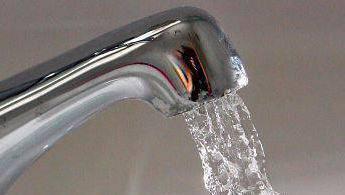
An audit of the West Clare Regional Water Supply in August by the Environmental Protection Agency found levels of trihalomethane above recommended safety limits at its new treatment plant in Doolough
Clare water treatment plant continues failure to make drinking water safe

Long-term exposure to high THM levels has been linked to diseases of the liver, kidney and central nervous system as well as bladder and colon cancer, although the evidence is not conclusive. However, the EPA has acknowledged that acute effects of THMs in drinking water are rare. File picture

A new water treatment plant in Clare is failing to prevent excessive levels of a potentially dangerous by-product of the disinfection process for drinking water being formed in the supply, according to the State’s environmental watchdog.

An audit of the West Clare Regional Water Supply in August by the Environmental Protection Agency (EPA) found levels of trihalomethane (THM) above recommended safety limits at its new treatment plant in Doolough, Co. Clare.


Uisce Éireann, previously known as Irish Water, had informed the EPA that upgrade works on the supply had been completed in June 2022. However, it has acknowledged that the upgrade works have been “inadequate” for dealing with persistent high THM levels which continue at the new facility.

The treatment plant for the West Clare Regional Water Supply at Doolough provides almost 15,000 cubic metres of water daily to a population of over 8,700, covering areas including Kilrush, Kilkee, Kilmihil, Doonbeg, Quilty and Carrigaholt.

The plant has been on the EPA’s Remedial Action List since October 2017 due to persistent breaches of the maximum recommended limit for THM of 100 microgrammes per litre. The most recent breach of the limit occurred on August 18 last when THM levels reached 125μg/l. Levels of 179μg/l were reached on July 20.

However, Uisce Éireann has raised some queries over the accuracy of such readings. Irish Water had been instructed by the EPA in November 2019 that the new treatment plant for the West Clare Regional Water Supply should comply with EU guidelines on THM levels by December 2021.

An audit subsequently found there had been two breaches of THM safety limits following the passing of the deadline. THMs are chemical compounds which form as a result of reaction between organic materials such as soil and rotting vegetation and chlorine which has been added as a disinfectant.

Long-term exposure to high THM levels has been linked to diseases of the liver, kidney and central nervous system as well as bladder and colon cancer, although the evidence is not conclusive. However, the EPA has acknowledged that acute effects of THMs in drinking water are rare.

The treatment plant was also placed on the Remedial Action List for a second category of “treatment and management issues” in May 2021 after another audit found “serious deficiencies regarding management and control.” 

In April this year, the EPA prosecuted Uisce Éireann for its failure to comply with the direction for the plant to meet recommended THM levels by December 2021. The EPA said that the commissioning stage of the new treatment plant at Doolough had identified issues with its performance and the continuation of THM levels above recommended limits.

It said further works were required at the plant to improve chemical dosing and flocculation but the timeframe for the completion of such works was “unknown at present.”  Uisce Éireann said contractors would be on site until January 2024 and were continuing to progress work on the project to ensure compliance with THM recommended levels.

The latest audit also checked on whether tanks and weirs at the treatment plant were clean and well maintained but found algae growing on one inlet chamber. EPA inspectors said it was also impossible to confirm if filters at the plant were operating to protect the water supply from being infected with the parasite, Cryptosporidium.

The audit noted that there had been several prolonged spikes in turbidity (cloudiness) levels at the plant over two days in early August. It also recorded that an ultra-violet transmission monitor at the plant, which measures water quality, had not been working since early May 2023.

The EPA has called on Uisce Éireann to implement a series of recommendations without delay to ensure “a clean and wholesome supply of drinking water” from the plant. They include the provision of details on further upgrade works with revised completion dates and the installation of alarms to monitor turbidity levels.

Ireland is facing legal action by the European Commission over its failure to ensure drinking water to over 200,000 people is safe for consumption due to elevated THM levels.

Officials in Brussels have referred the State to the Court of Justice of the European Union over what they claim are breaches relating to 30 water supply zones in the Republic which “continue to exceed safe levels of THMs.” “Exceeding the parametric value of trihalomethanes can entail potential risk to human health,” the European Commission noted.

x

More in this section

Lunchtime News

Newsletter

Keep up with stories of the day with our lunchtime news wrap and important breaking news alerts.

Cookie Policy Privacy Policy Brand Safety FAQ Help Contact Us Terms and Conditions

© Examiner Echo Group Limited