Study finds cost of sustainable home energy and lack of public transport curbs 'just transition'
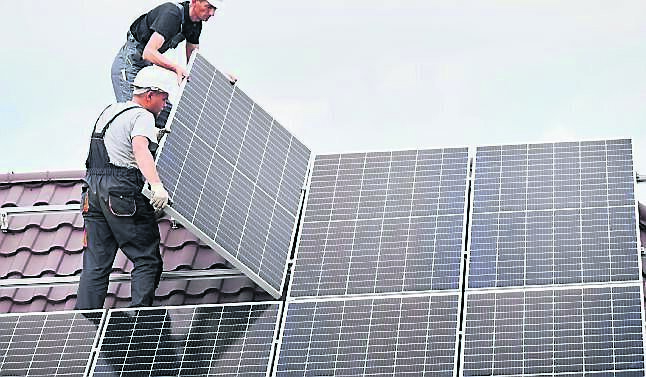
The report found "for most, investing in larger-scale energy efficiency measures, such as installing solar panels, was considered unattainable."
Upfront costs of the likes of solar panels and a lack of public transport are major barriers for more vulnerable citizens in the so-called "just transition", a new report focused on Co. Clare, but with wider implications for rural areas, has found.
Fair Clare, a 165-page analysis on the transition to a low-carbon society and its impact on people struggling with the likes of finance, disability, and employment in the county, warned that many communities are at risk of being left behind.
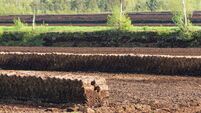
Just transition is the term used to describe making sure employment opportunities and societal benefits are present for those who live and work in communities tied to legacy industries such as coal mining and peat extraction, as well as protecting less financially secure and vulnerable citizens.
The Fair Clare report, jointly authored by Kieran Harrahill and Roisin Greaney from the charity Thinktank for Action on Social Change (TASC), held nine focus groups throughout the summer with vulnerable people in Ennis, Ennistymon, Killaloe, Kilrush, and Shannon.
Participants included low-income farmers, refugees from Ukraine, people seeking international protection in Ireland, members of the Traveller community, people with disabilities, single parents, caregivers, people with a history of addiction, people experiencing mental and physical health problems, LGBTQI+ people, and Family Resource Centre workers.
CLIMATE & SUSTAINABILITY HUB
Some of the starker findings showed that more efficient energy methods were beyond the grasp of most and that fossil fuels remain the best option financially.
"Participants spoke about the difficulties they faced paying energy bills and for fuel and discussed several barriers to undertaking home energy upgrades.
"For those struggling financially, solid fuels, albeit increasingly expensive, were described as important in providing a sense of personal energy security," the report said.
Public transport options are also a significant barrier in Clare, participants said.
"The absence of a universally accessible public transport system in Clare appears to exacerbate issues such as car dependency, transport disadvantage and forced car ownership," the report said.
Low income farmers are also feeling the pressure, it found.
"Beef farmers in Clare face an unjust transition due to the economically unsustainable nature of beef farming, coupled with the urgent need to reduce emissions. Low-income farmers who participated in this project spoke about the difficulties they face trying to make a profit and expressed a feeling of lack of representation concerning decisions affecting their livelihoods and the impact of farming on the environment," it said.
Some 27 recommendations on ensuring a just transition were made within the report.
CONNECT WITH US TODAY



Be the first to know the latest news and updates