Planning granted for solar farm across 468 acres in West Waterford
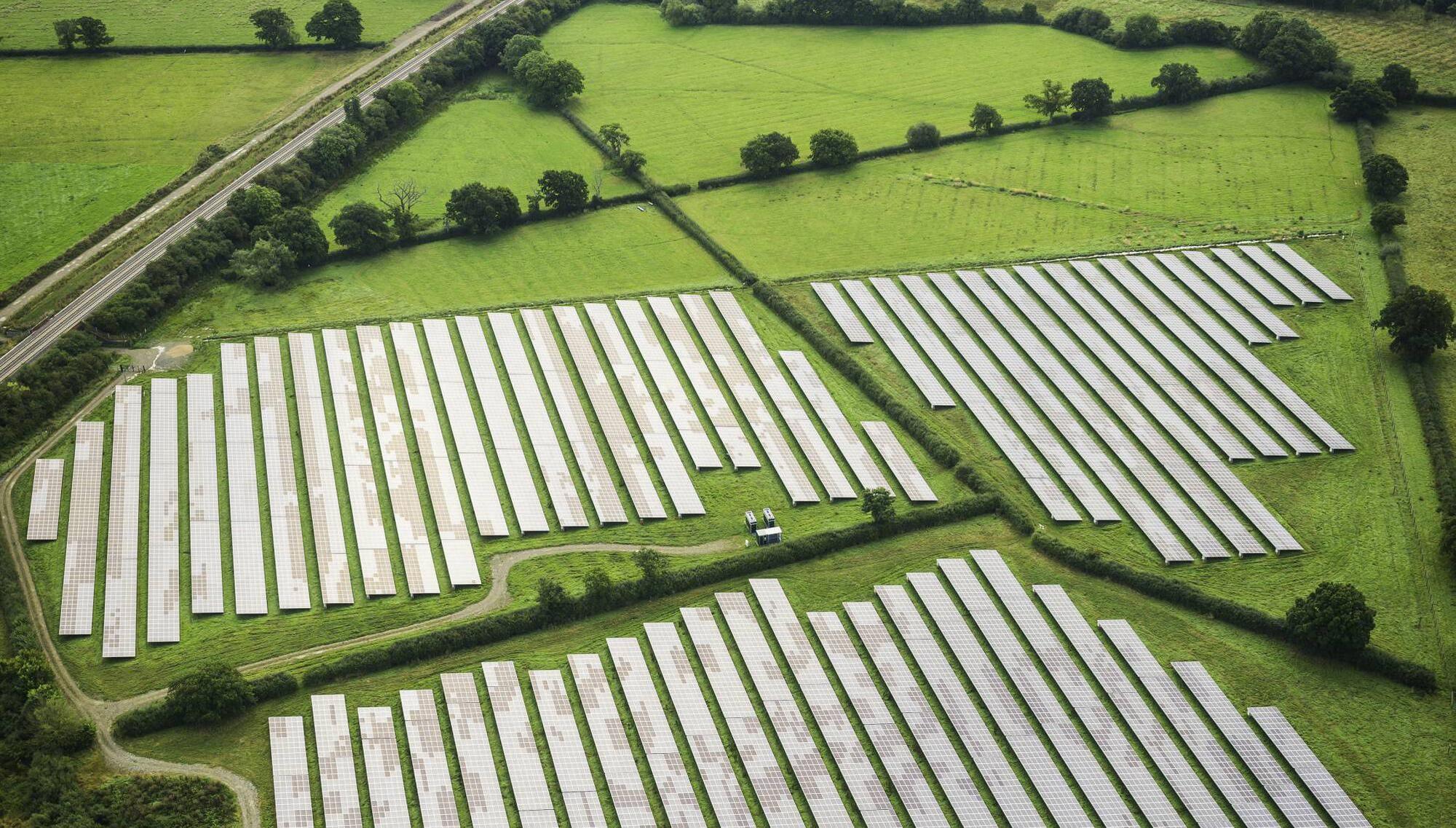
Waterford council granted the farm permission to operate for 35 years, with a €160,000 bond in lieu of returning the land to agricultural use thereafter. Picture: iStock
Planning has been granted for a massive solar farm in a scenic West Waterford region close to the Comeragh mountains.
The project will be completed in phases and if the full permission is activated, it would total some 468-acres.
This permission, granted by Waterford City and County Council with 22 conditions, clears the way for Dublin-based international energy company BNRG Mothel Ltd (formerly Renewables), to proceed with a 348-acre solar farm extension across the townlands of Bishopstown, Bridgetown, Ballyhest and Ballyneal.
This latest extension follows on from an earlier phase, which involved a 30-megawatt facility on 120 acres at nearby Garryduff and Mothel, which received planning in 2019, but on which work has yet to commence.
Both sites, which have been acquired from five landowners, are expected to be linked by underground cable.
The council’s latest decision allows permission for the installation of photovoltaic panels on ground-mounted steel frames, 28 single-storey inverter stations, perimeter fencing, permeable gravel access track, 49 pole-mounted CCTV cameras, and four new site accesses, plus construction infrastructure.
The council granted the farm permission to operate for 35 years, with a €160,000 bond in lieu of returning the land to agricultural use thereafter.
That figure has been criticised as “totally insufficient for the work involved”, by Clonea Solar Action Group (CSAG) spokesperson Vincent Kelly.
Mr Kelly is one of more than 300 locals who made submissions to Waterford council vehemently opposed to the phase 2 planning application.
Prominent amongst concerns were fears that two streams traversing the proposed farm also feed into the Clodagh River, which supplies the town of Portlaw and a reservoir serving Waterford city.
Concerns were also raised about the fire risk from batteries used to store energy.
“We are extremely disappointed”, Mr Kelly said. “Given the concerns raised and the amount of effort and research people put into their submissions, the least we expected from the council was that they would seek further information from the company on foot of our concerns.”
Fellow CSAG member Tom Coughlan said he was “absolutely disgusted” at the decision.
Castigating the decision as “a rubber stamp”, he said he “cannot understand how the planners came to this decision, and so fast, given the number of well-informed, detailed objections submitted”.
Mr Coughlan already predicts the group will appeal the decision to An Bord Pleanála followed by a request for a judicial review if need be.
The board has already rejected an appeal against the phase 1 permission.
CLIMATE & SUSTAINABILITY HUB