Award of €31m for young woman in birth injury case at Limerick hospital
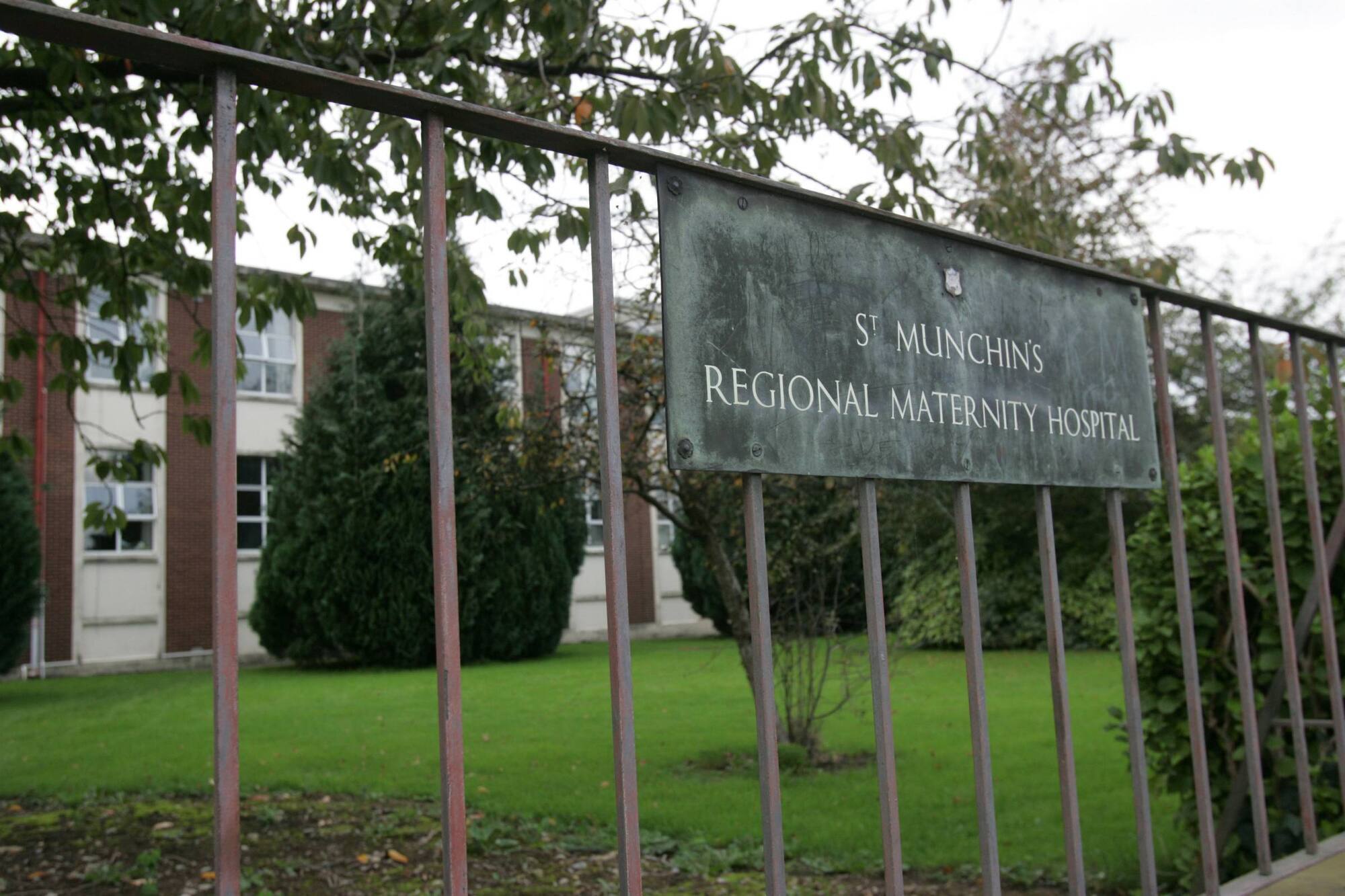
The case centred around the circumstances of her birth at St Munchin's Regional Maternity Hospital, Limerick, almost 20 years ago. File picture: Brian Gavin/Press 22
A young woman who sued over the circumstances of her birth at a Limerick maternity hospital has settled her High Court action against the HSE for a total of more than €31m.
This is one of the highest pay-outs in the settlement of a case involving allegations of injury at birth. The young woman cannot be identified by order of the court. The settlement is without an admission of liability.
Her counsel, Dr John O’Mahony SC, told the High Court she has cerebral palsy, a brain injury and is cognitively impaired. He said she is adept at communication through speech and sign language but does have a hearing loss.
She had taken an action against the HSE over the circumstances of her birth at St Munchin's Regional Maternity Hospital, Limerick, almost 20 years ago.
The HSE, counsel said, intends to offer an apology to the woman and her family but it will not be a public apology. He said the apology will be sent to the young woman and her parents at a later date.
Counsel said the €31m is a “global settlement figure” which was achieved after negotiations. The money will paid out in different payments to the family over the girl’s life.
“I agonised for two weeks before putting forward the proposed schedule and the State acceded,” counsel said. He said the family had been particularly concerned with the young woman’s later years.
He said the settlement package had been accepted by the HSE “as the prudent way of going forward”. Her mother told Mr Justice Paul Coffey the family were happy with the settlement.
Approving the settlement, Mr Justice Coffey said he was sure the apology will be a source of comfort to the young woman and her family. The judge said he had no hesitation in approving the settlement and he conveyed his best wishes to the young woman who sat in the well of the court with her parents.
It had been claimed by the girl’s side that there were two alleged omissions in the care of the mother around the time of the birth. A urine specimen, it was claimed, was not examined, and if it had been, her side contended it would have shown an infection which could have been treated.
The second omission, it was contended, was that full dilation was not diagnosed and steroids were not given which would have been beneficial. The baby girl was delivered by Caesarean section. It was claimed there was an alleged failure to note the mother was suffering from a urinary tract infection.
There was, it was further claimed, an alleged failure to properly diagnose the mother's condition by way of premature labour when she attended the hospital.
It was further claimed the baby was allegedly deprived of the chance or opportunity of having treatment which would have assisted her in the birthing process. The claims were denied.
The settlement will provide for the cost of care into the future, and for cost of physiotherapy, speech, and language therapy and special equipment.
CONNECT WITH US TODAY



Be the first to know the latest news and updates