Financial crash triggered spike in drug use in disadvantaged parts of Cork 
New research said that the national-level prevalence studies “likely hid” increased drug use in some of Ireland’s economically deprived areas post the 2008 crash
Financial crash triggered spike in drug use in disadvantaged parts of Cork 

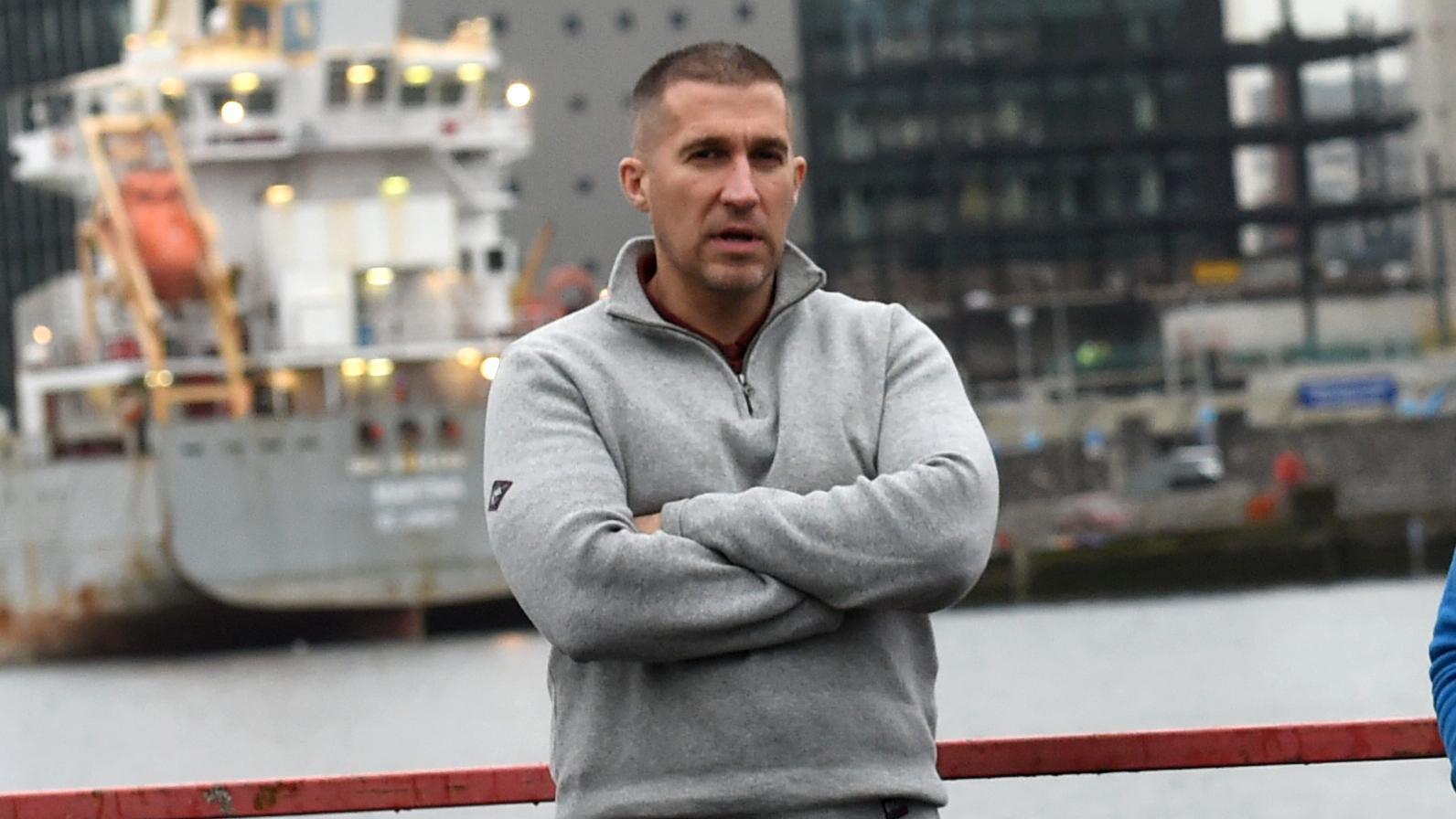
The research was conducted by criminologists at University College Cork, James Windle and Orla Lynch, along with Graham Cambridge of Churchfield Community Trust Cork, and James Leonard, above, of Niche Health Project, Cork and of the Two Norries Podcast. Pic: Larry Cummins

Drug use increased following the financial crash among problematic users in disadvantaged parts of Cork — in stark contrast to previous national studies indicating drug use fell during the recession.

New research said that the national-level prevalence studies “likely hid” increased drug use in some of Ireland’s economically deprived areas post the 2008 crash.

The research was conducted by criminologists at University College Cork, James Windle and Orla Lynch, along with Graham Cambridge of Churchfield Community Trust Cork, and James Leonard of Niche Health Project, Cork and of the Two Norries Podcast.

Their report, published in 'Drugs, Habits and Social Policy', comprised interviews with 48 people who describe themselves as having been addicted to alcohol and/or drugs.

All of them had been engaged in treatment services and all had interacted with the criminal justice system.

The participants were aged between 21 and 49 and all but one was male. Their drug use varied, but all began using alcohol and/or cannabis and many progressed to benzodiazepines (anxiety pills) and/or heroin.

The study said those involved lived in areas of Cork city which suffer economic deprivation and social exclusion, with high concentrations of low education attainment, high unemployment and lone parent ratios.

The study examined drug use during the Celtic Tiger and the “Great Recession”, post 2008.

Abuse funded by well-paid work

Respondents confirmed previous findings that alcohol and drug use increased during the Celtic Tiger, with many reporting high levels of alcohol use, in many cases fuelled by well-paid work that participants got as manual labourers in the construction boom.

The respondents said that when the boom collapsed so did the plentiful supply of construction jobs and some went straight back to crime to fund their high levels of drinking and drug taking.

Some of the men started drinking more after losing their jobs.

One man said: “Well, I lost the job in 2008, the building trade went sour. So, as I was not working, I started drinking more, which was not good. We started arguing in front of the kids, which was not good.” 

I ended up walking out. I started to go downhill from then — 2009 and up to 2013 were the dark days in my life.

Another man said: “The recession and heroin hit Cork around the same time. We didn’t have any opportunities, the work was gone, for those of us who didn’t have the money to emigrate, and all we had was heroin and tablets.” 

Several participants said they progressed their alcohol and drug use to “cope” and “soothe the harsh realities of living on the margins”.

One man said: “I think the bit of depression or anxiety that people feel who live in poverty, they might use drugs to help them … drug dealers are the doctors who medicate poor people who are struggling.” 

The research said working class men and young people were disproportionately hit by joblessness during the Great Recession.

“The data presented in this paper suggests national reductions in drug use likely hid increased problematic use in some of Ireland’s economically deprived areas,” the research said.

It said the national decline could be explained by Ireland’s large-scale emigration, spurred by recession.

But it said that some of those who did not have the resources to emigrate and could not find employment increased their drug and alcohol use.

More in this section

Lunchtime News

Newsletter

Keep up with stories of the day with our lunchtime news wrap and important breaking news alerts.

Cookie Policy Privacy Policy Brand Safety FAQ Help Contact Us Terms and Conditions

© Examiner Echo Group Limited