Location of new €100m hospital for Cork 'not a northside-southside debate'
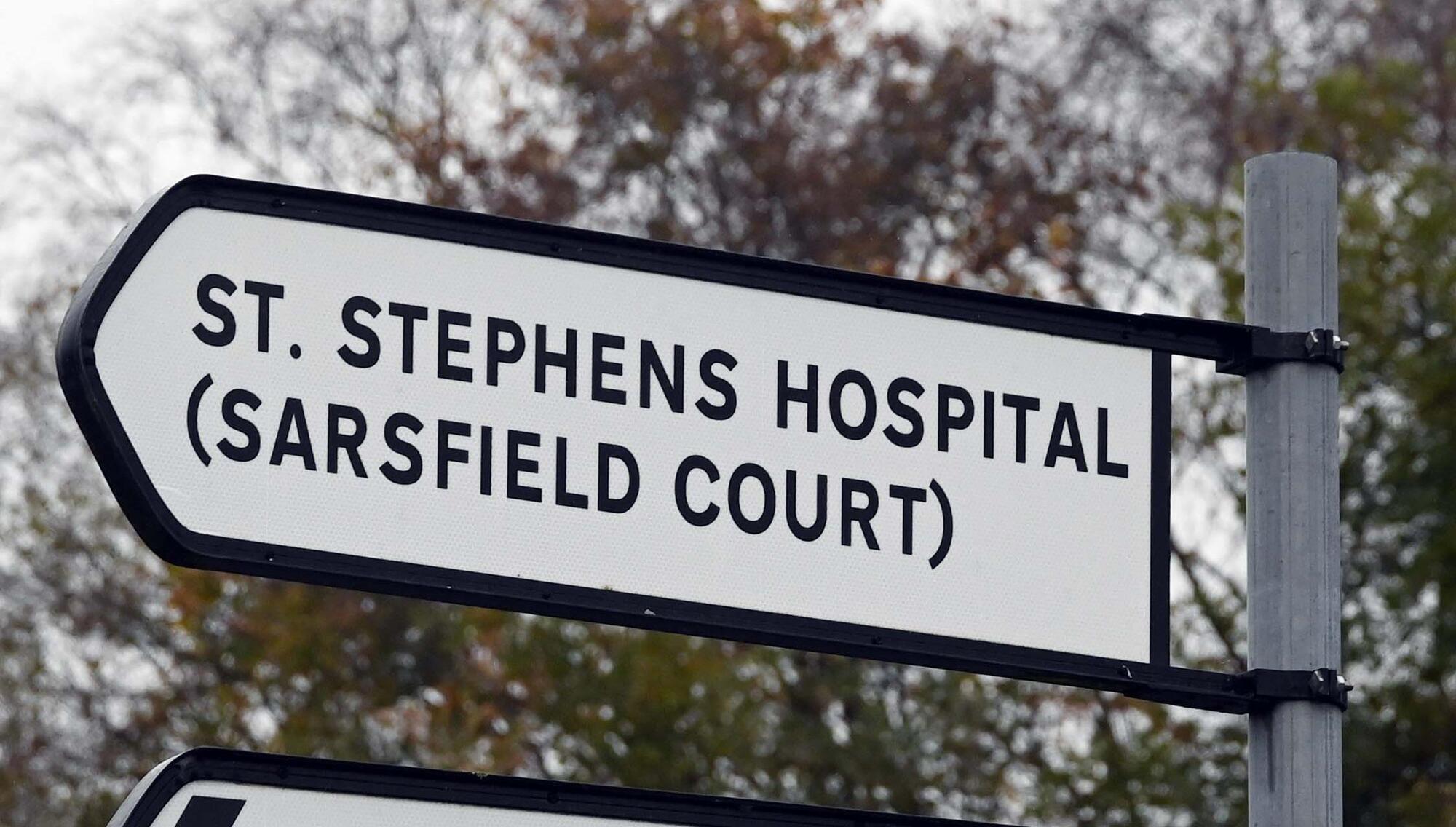
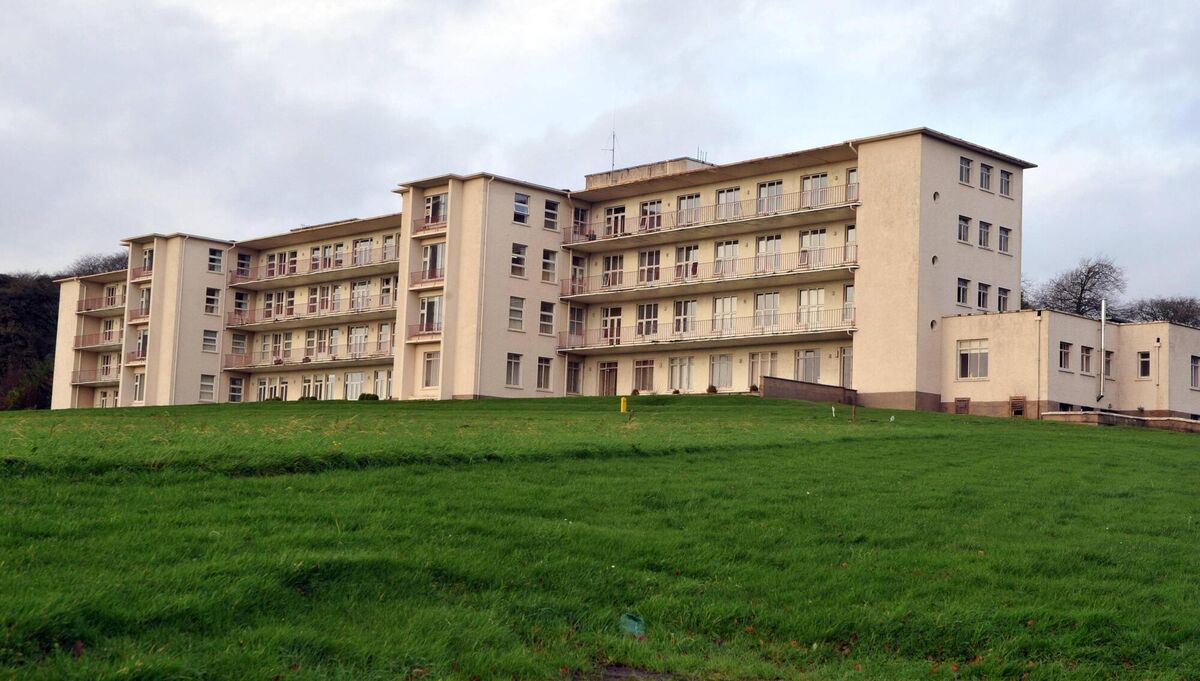
St Stephen's Hospital site in Glanmire was confirmed by Health Minister Stephen Donnelly this week as the site of Cork's new elective hospital.
Another hospital site selection row is looming following confirmation that an isolated health campus on the eastern fringes of Cork city, 20kms from the region's main tertiary hospital and poorly served by public transport, has been chosen as the site for the city’s new €100m elective hospital.
Politicians and medics have already begun to voice concerns about the decision to confirm the vast state-owned Sarsfield Court site in Glanmire as the selected location for the new hospital, which will have 10 surgical theatres and could have between 400 and 600 beds to cater for day-care and in-patient cases.
The Glanmire site looks set to be signed off by Cabinet this week despite a key recommendation of a 2015 report from the expert group overseeing the reconfiguration of health services in Cork and Kerry that any new elective hospital for the city should be built “in close proximity to Cork University Hospital (CUH) - the regional tertiary hospital”.
“This will enable both hospitals to function as a virtual “single hospital”, with the same clinical staff working on both campuses. It will also enable maintenance of operational and other service interdependencies,” their report said.
That expert non-executive advisory board, chaired by developer Michael O'Flynn, on a voluntary basis, included a mix of respected and senior medics, academics and leading business figures, including:
- Prof. John Higgins, the then director of reconfiguration in HSE South,
- Des Murphy, the former chair of the Mercy University Hospital (MUH) board,
- Prof. Geraldine McCarthy, emeritus professor and former dean of Catherine McAuley School of Nursing and Midwifery,
- Paul Breen, the former executive vice president of Elan Corporation,
- Michael Hall, the former chair of the South Infirmary/Victoria University Hospital (SIVUH) board,
- Prof. Cillian Twomey, retired consultant physician in geriatric medicine at Cork University Hospital (CUH) and St Finbarr's Hospital,
- GP Dr Paddy Crowley, Kevin Kenny, a former tax partner at Ernst and Young,
- Sean O'Driscoll, chairman and chief executive of Glen Dimplex,
- Pat Lyons, the chief executive of the Bon Secours Health System,
- Dr Michael Murphy, the president of UCC,
- and Gerry O'Dwyer, of the HSE.
The report went to the then health minster, and soon-to-be Taoiseach for the second time, Leo Varadkar.
Privately, members of that group have expressed surprise and dismay that a key recommendation of theirs about the location of a key element of reconfiguration, a new elective hospital, appears to have been ignored.
Taoiseach Micheál Martin said he is "determined to press ahead" with the project on the Glanmire site.
Questioned in France this week about the decision, he hit out at the delays to the delivery of the hospital whcih he said had been caused by "navel-gazing" on issues such as the location.
Mr Martin said notwithstanding the 2015 report, subsequent groups have examined the location and the HSE has come forward with a proposal to Health Minister Stephen Donnelly.
He said in the world of medical politics, people have different views, and very often “the different views and the different camps as to where a particular project should be located has often, not deliberately, but can often delay projects".
The new elective hospital is one of three proposed nationwide - in Cork, Galway and Dublin - as part of the National Elective Ambulatory Care Strategy which was agreed last December by the government. The hospitals are a key part of the Sláintecare strategy to address outpatient procedures and surgical waiting lists.
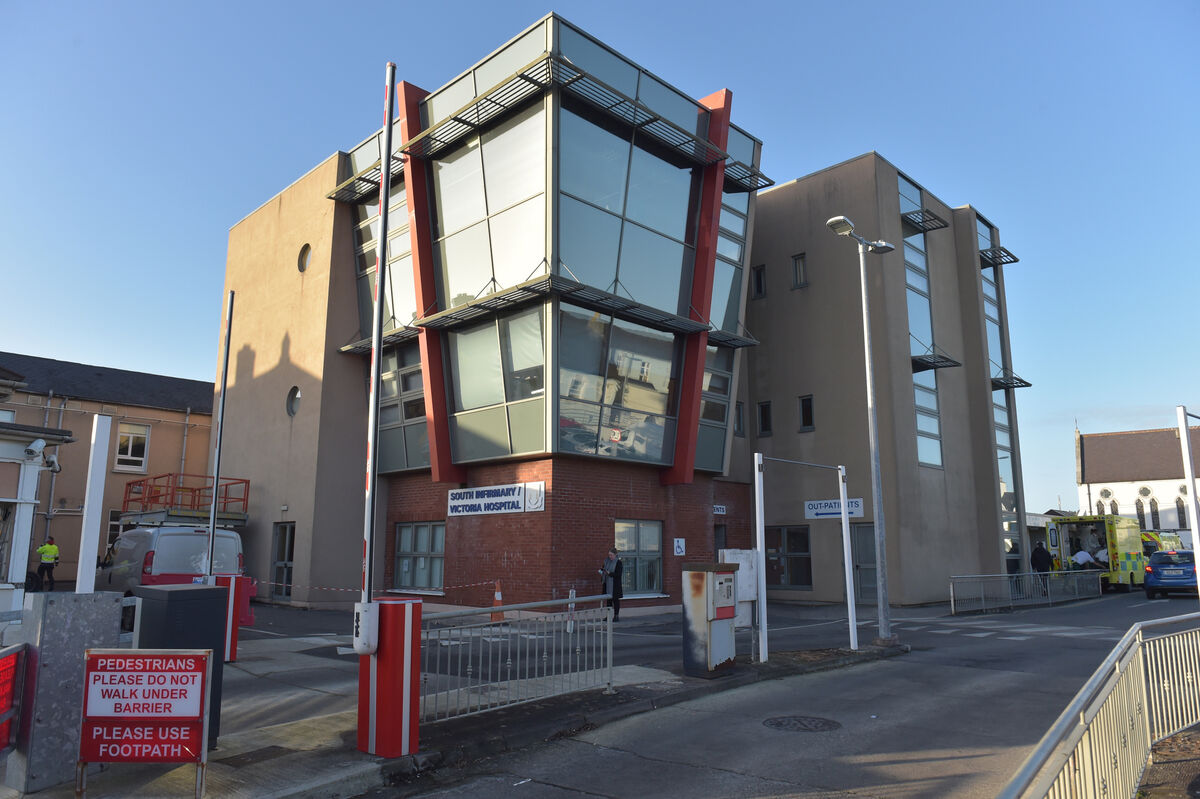
It is hoped that they will take the pressure off existing hospitals, with the Cork facility having a centralised out-patient service facility, to bring together the outpatient service requirements for Cork University Hospital (CUH), the Mercy University Hospital (MUH) and the South Infirmary Victoria University Hospital (SIVUH), as well as a vast range of advanced diagnostics, to which GPs would have direct access.
It is hoped that once built, it would allow the three existing hospitals to focus on those patients with more complex needs and ensure they have bed capacity for complex surgery cases.
This newspaper first reported last February that the 117-acre St Stephen’s Hospital site at Sarsfield Court had been recommended to Minister Donnelly as the preferred location for the new Cork hospital.
And last week, the minister finally approved the preferred site, with it due for Cabinet sign off on Tuesday, which will move it to the next stage, including detailed design and planning, before construction can ever start.
But the rumbling over the location has started already, with a public split between local Fine Gael elected representatives, with Cork north central TD Colm Burke, backing the site, given its capacity for future development, and southside Fine Gael senator, Jerry Buttimer, insisting it is the wrong site.
"It is not close to any major hospital. It should be located in Curraheen, close to CUH, Marymount, and MUH,” he said.
"Sarsfield Court is the wrong decision, in my view, and I certainly hope there can be a changing of minds. We don't seem to have learned from the debate about the National Childrens' Hospital.
"This is not a northside versus southside debate - it's about ensuring that this will work from a medical perspective."

Prof. Higgins, who sat on the expert advisory group which issued the 2015 report, told this newspaper this week that co-locating the new hospital with existing hospitals is a key issue, and that a new hospital adjacent to CUH would be best for the city and the region’s future.
So how after years of planning and assessments, did the Glanmire site emerge as the preferred site when it was recommended by the reconfiguration group that the preferred site be close to CUH?
The 2015 report pointed out that of the three Cork city hospitals, only one was built in recent times. Parts of MUH date back to 1857 and the SIVUH dates back to 1760. Both are city centre hospitals with constrained sites and limited drop-off and parking for patients and staff.
The report said these old buildings pose challenges in meeting HIQA and other standards for patient treatment areas and expansion of existing units would prove costly due to enabling works required.
Documents obtained by the Irish Examiner show how the HSE decided that whatever site was chosen, it had to be at least 50 acres and preferably up to 100 acres, and in view of previous hospital developments, such as at CUH, Beaumont or Tallaght hospital, it was determined that the site must be of sufficient scale to allow necessary expansion over time.
“This will allow avoidance of costly enabling works in the future, and will also provide opportunities for income generation through the allocation of retail space,” the documents say.
“Obviously, if high rise building is permissible then smaller sites may become viable. However very high rise does not lend itself easily to phased construction and construction costs are likely to be higher.”
It was decided that it had to be “within a reasonable distance of CUH” to enable the "sharing" of staff and maintenance of operational and other service interdependencies.
The two hospitals should function as a virtual "single hospital" with the same clinical staff working on both campuses, the HSE documents say.
Ease of access for patients and staff was deemed to be crucial, with sufficient parking and suitable access options via public transport required.
“In addition, it is recommended that an orbital bus service is in place between the new site and other Cork healthcare facilities. Running at regular intervals throughout the day, this will facilitate the transportation of patients, staff and specimens between sites,” the documents say.
It was also determined that the site should have the potential to be developed on a phased basis, that it should be in a clean and low-noise environmental area, without significant slopes, gradient, irregular shaping, and with suitable ground conditions.
Flood risk, access to roads, public transport, public utilities such as gas, power, communications, would all have to be considered, as well as planning and land use policies such as conservation zones.
And so began the assessment of several existing healthcare locations, publicly owned sites and submissions from various landowners.
The SIVUH city centre site was determined to be constrained by a number of factors, including that it is bounded by public roads on three sides, limiting the possibility of additional site capacity. It also has a number of heritage buildings on a site with difficult topography and any development would impact on its day-to-day activity, with access also cited as an issue.
Similar issues came into play when the MUH site was considered.
The Distillery site on North Mall, across the river from MUH, and which is jointly owned with UCC, was considered, but its singular point of access and egress for vehicles, its limited site, the potential impact on the continuity of existing services, and the lack of expansion space were all considered too challenging to overcome.
St Mary's Health Campus in Gurranabraher, which is being developed as a primary care health campus was considered, but development height restrictions due to its location on a protected ‘ridge line’, and the fact that at 28-acres, it had limited development potential, meant it was also ruled out.
A number of publicly owned potential sites were considered, including the ESB site on Sarsfield Rd in Wilton, close to CUH. But again, its limited size was considered an issue preventing future expansion. The site option was further complicated by the fact that it is within Cork’s Airport’s flight safety zone, which imposes limits to development density, and the site was also zoned for housing and public open space.
The HSE also considered sites along the South Ring Road, between the Curraheen interchange on the west of the N40 and Kinsale Road Interchange, but despite their proximity to CUH, they were deemed unsuitable.
Several privately owned potential locations were also considered, including in the city’s docklands, but it was determined that access was dependent on public infrastructure developments, that the taxpayer would have to pay to acquire the sites, and that the proximity to so-called COMAH sites, formerly known as Seveso sites could pose a difficulty. This COMAH health and safety issue is one of the key planning problems facing the city's popular Marina Market at the moment.
Then came the assessment of sites in Curraheen, some of which are in private ownership, and which extend to around 250 acres, as well as a 45-acre landbank owned by UCC.
This area ticked a lot of boxes. It could facilitate co-location with UCC’s dental school and hospital, and with UCC’s Health Innovation Hub, it is close to major transport routes, and is “reasonably accessible” to CUH, the documents said. But site infrastructure was cited as an issue.
So then it came to assessing the St Stephens Hospital site at Sarsfield Court, which was originally developed as a TB sanatorium in 1954. Today, it is home to an acute mental health unit, an Alzheimer’s unit, administration facilities and some Tusla operations.
It is owned by the state, it spans some 117 acres, is three miles north of Glanmire, nine miles from Cork city, and two miles from the M8. It has existing and historic healthcare uses, it has infrastructure, space for expansion, and had a “satisfactory topography” for development. It was accepted that it has “limited public transport” serving the campus but it was pointed out that work is underway to improve the Dunkettle interchange, with major bus improvements planned under the CMATS transport plan.
But concerns are being raised about the fact that the site is 11km from MUH and 19km from SIVUH, and some 20km from CUH, which is on the other side of the city.
As one political source said this week: "The Glanmire site is madness. Things are bad enough on the South Link Road and at Dunkettle at the moment. How can we expect CUH staff to make their way to this new hospital on the other side of the city. That journey is half an hour on a good day, but it could be 90-minutes or more at peak hours, or if there’s an accident on the N40 or near the tunnel."
Cabinet is due to sign off on the site on Tuesday.

CONNECT WITH US TODAY



Be the first to know the latest news and updates