Letters show Romanian's remarkable journey from war to Waterford Crystal
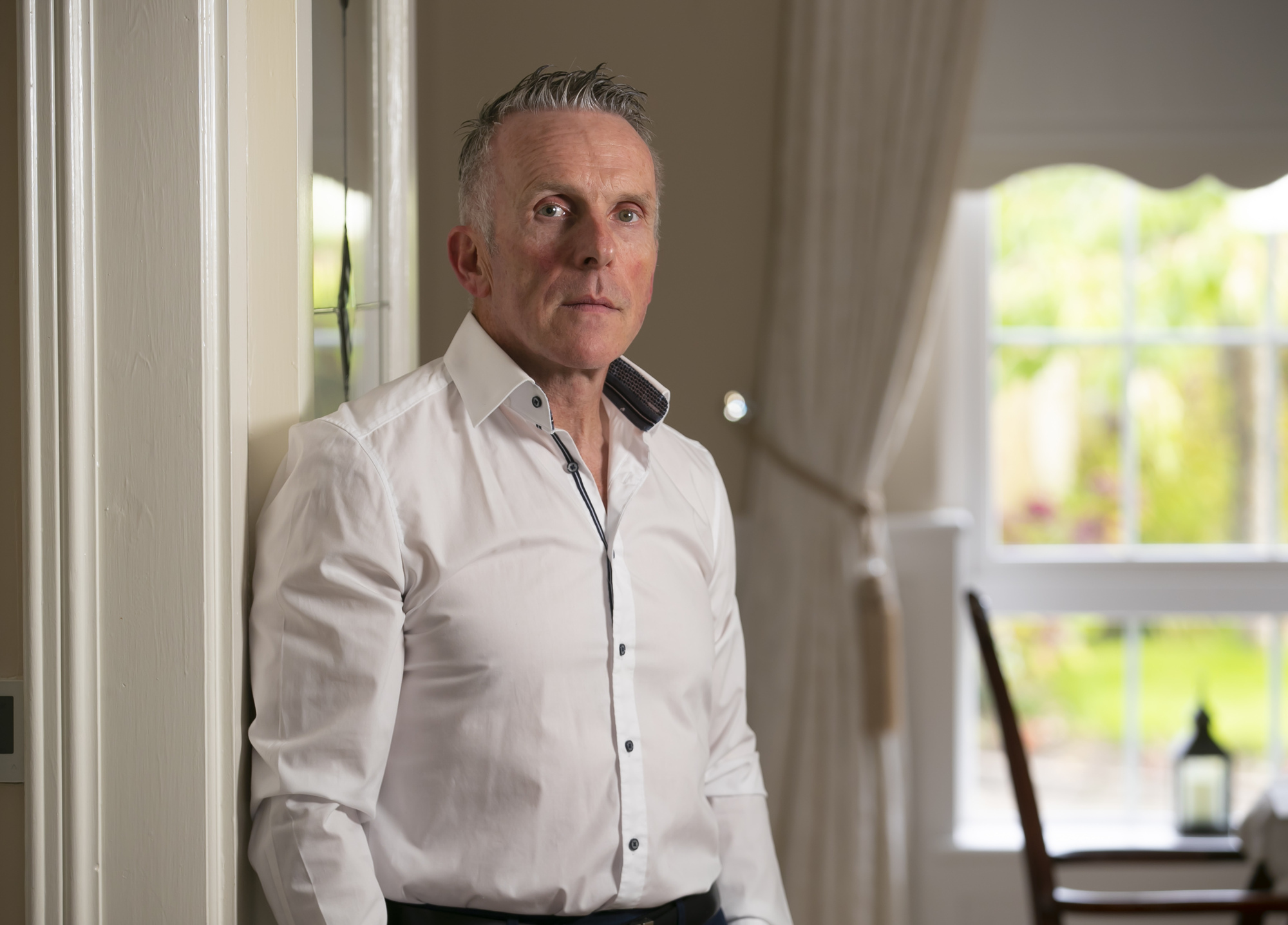
Author David Cretzan from Ballygunner, Waterford, has written a book about his father Josef. Picture: Patrick Browne
Letters long kept in storage have revealed the troubled origins of a Romanian man who went from a rural village in the Carpathian Mountains to become a master craftsman at Waterford Crystal.
They show his struggles post-war as he was separated from his family who he would never see again, to his later life in Ireland as he became a world-class glassblower designing crystal masterworks that would adorn far-flung corners of the globe.
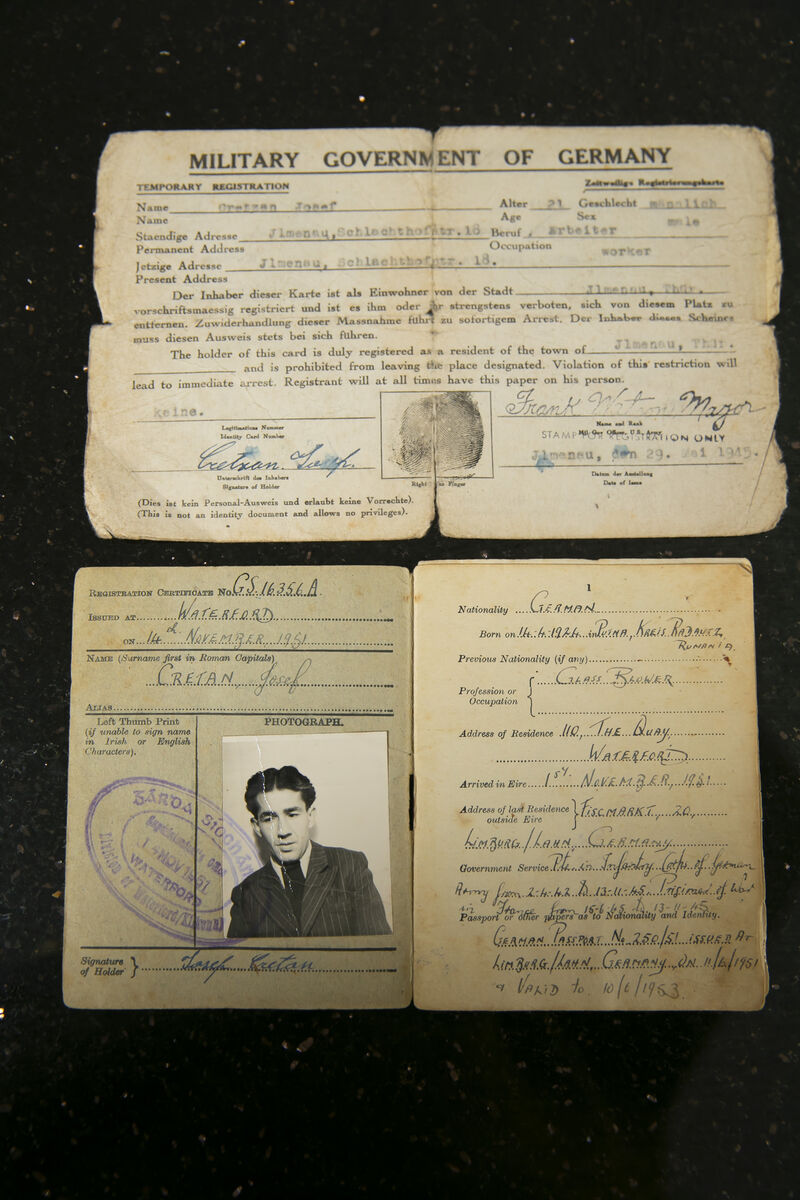
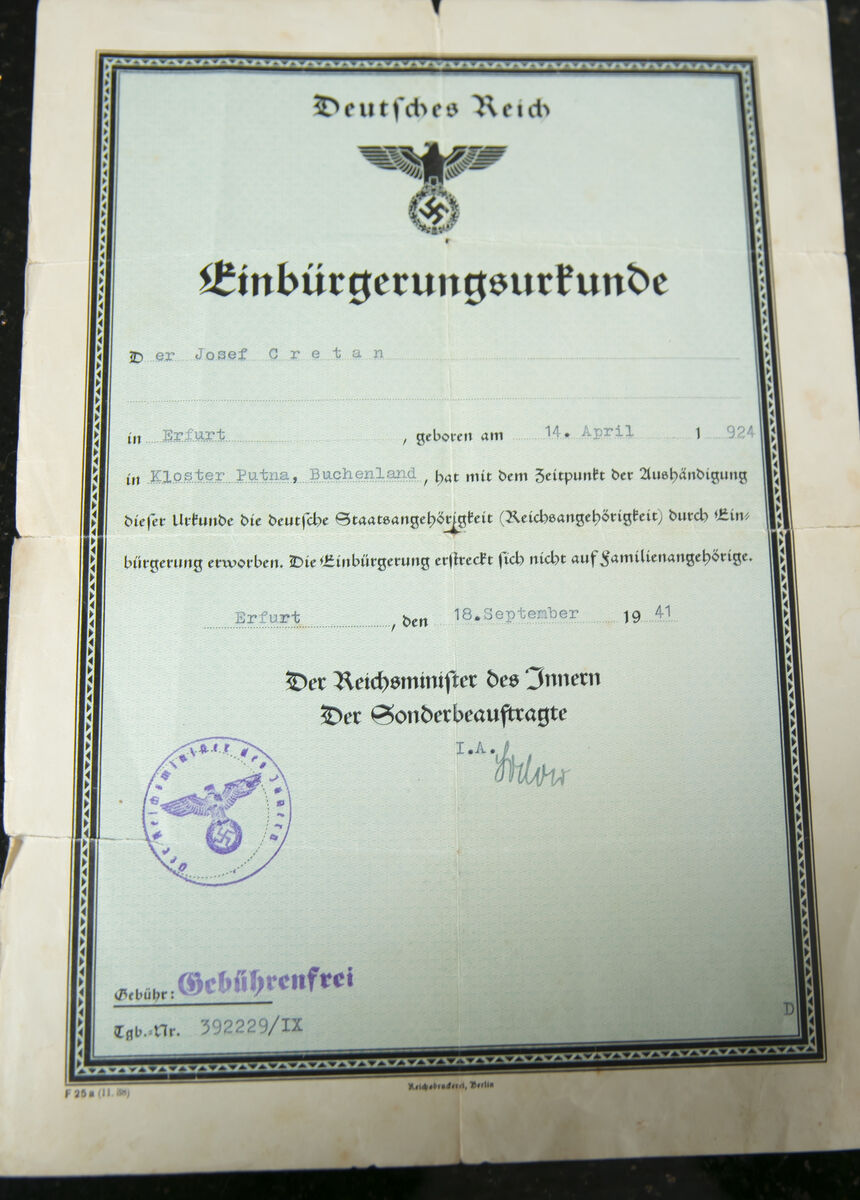
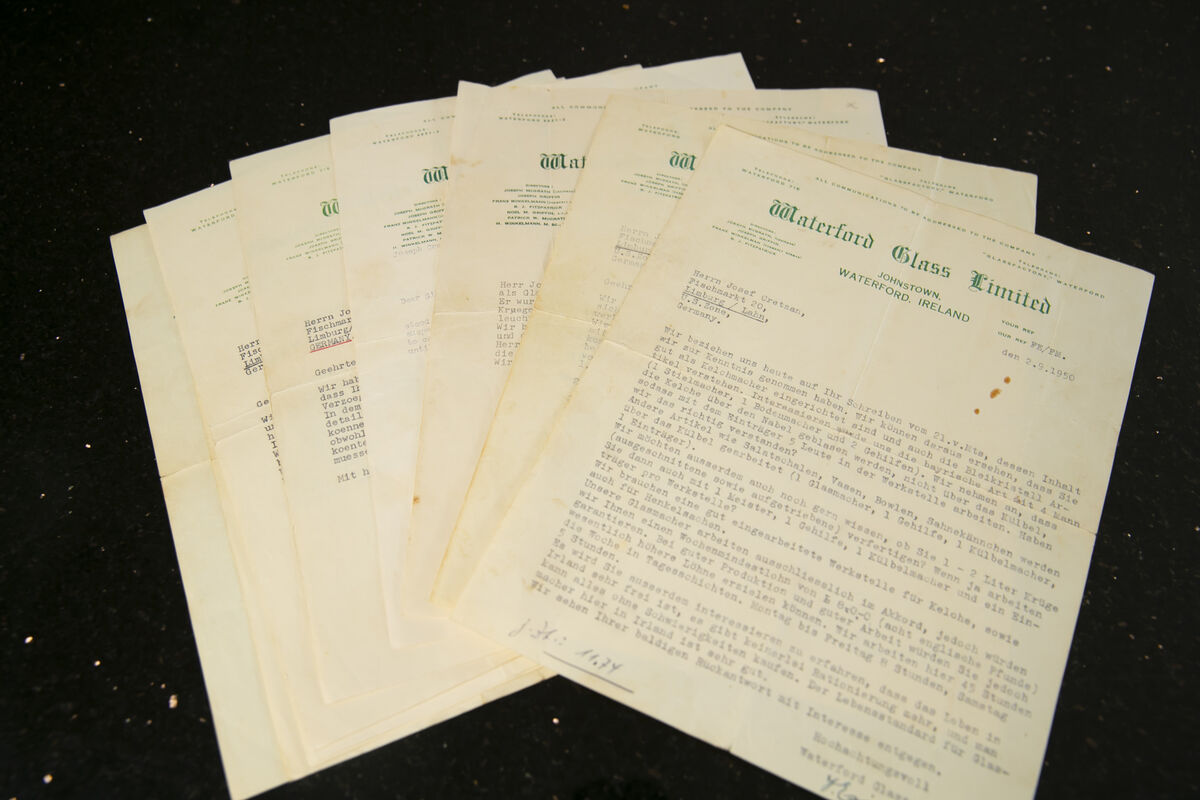
The documents, translated from German by the family of Josef Cretzan, form part of the story about his life in a new biography by his son, David Cretzan.
Having grown up in the small village of Putna, he became a glass blower at the age of 10 following the death of his mother. He moved to Germany as a teenager at the outbreak of war as the region became increasingly volatile, David said, with Josef's German-born father believing it could be more stable.
"When I first went back to Romania, it dawned on me the magnitude of the journey he took, from this tiny village in the foothills of the Carpathian Mountains to Waterford, but also the tragedies he had to deal with before ending up in Waterford," David Cretzan told the Irish Examiner of the book he has worked on for the past 15 years.
After getting his father's personal documents translated, David discovered "heartbreaking" correspondence between Josef and his own father, as the two were separated in Germany following the end of the Second World War, with the country at that point divided between the Allied nations.
Josef, by this stage on good money, provided the funds to smuggle his brother from the Russia Zone, with plans to do the same for their father.
"They wrote about how they would be reunited again, but it never happened. My grandfather wrote to them saying he didn't want to be a burden and that he did not want to cross by illegal means. They never saw each other again.
"He wrote some beautiful letters advising his children what to do in their own lives," David said, singling out one report recounting the wedding of Josef's sister, where the patriarch said his "wish" was that his sons could have attended the momentous day.
"Especially you, Sep, you could have represented our beloved homeland in the East with your slightly dark skin," he wrote.
When his father died in 1950, Josef decided to move to Waterford for a change from the turbulence in Germany. He was tempted by Waterford Crystal's owners who, having viewed his work, were eager to recruit him as an expert craftsman.
He was part of a foreign influx of workers from across Europe in Waterford, becoming the master glassblower as comfortable with designing intricate glass as he was with lighting a cigarette from his blow torch.
Among his works were the commemorative cup presented to John F Kennedy on his visit to New Ross in 1963, and chandeliers that remain on display in Westminster Abbey. He died in 1990 aged 66.


CONNECT WITH US TODAY



Be the first to know the latest news and updates