Government cannot continue to 'play around' with farmers', warn climate experts
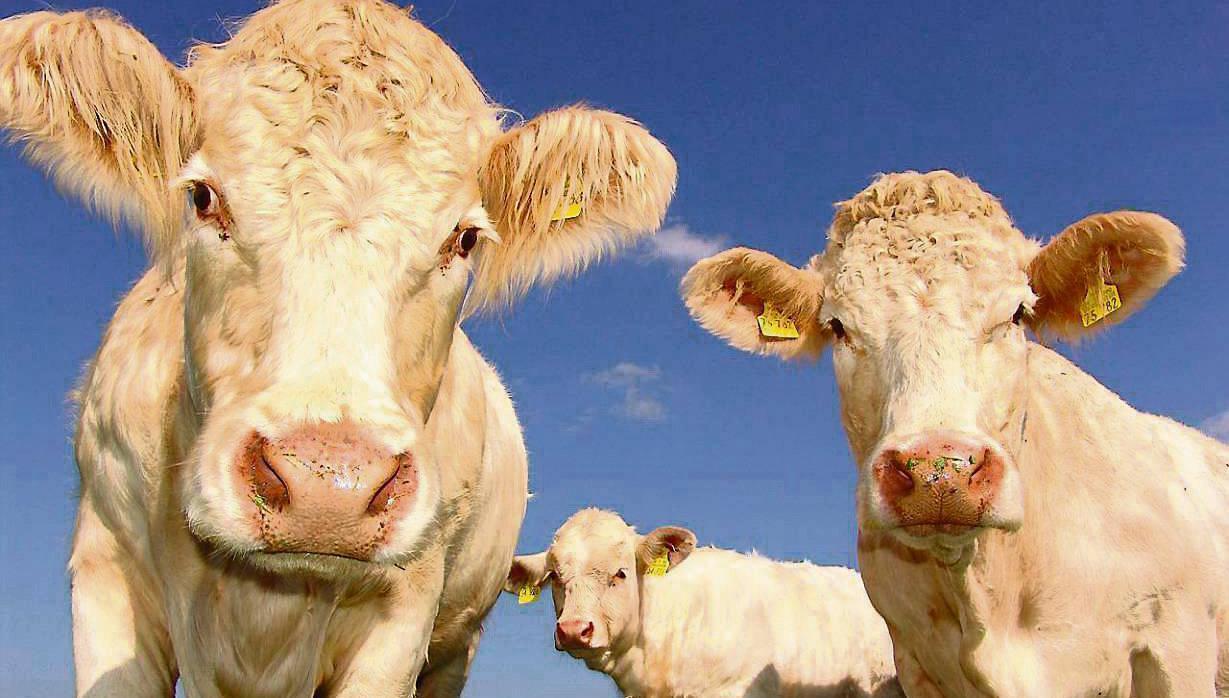
Climate experts claim there is often an unfair emphasis on agriculture in the emissions debate.
Climate experts have warned that the Government cannot continue to "play around" with farmers, claiming there is often an unfair emphasis on agriculture in the emissions debate.
The director of the Climate Research Centre at Maynooth University Peter Thorne has told politicians he "despairs" about how a massive focus is placed on agriculture and not other sectors when carbon emissions reductions are being discussed.
"If farmers were successful in getting to net zero, we would still miss our 51% reduction target because two thirds of our emissions arise from the non-agricultural sectors. We need to be honest with our citizens, we need to make sure that we have action across all sectors," he told the Oireachtas agriculture committee.
"We need to stop playing around with telling farmers every second year to do something different, they need the stability to have the decision-making, they need certainty to make choices that are viable for their businesses, we cannot tell them stop producing milk, start producing milk, stop producing milk, this is madness."
Professor Myles Allen of University of Oxford argued that methane, which is mainly produced by livestock, rice paddy fields and fossil fuels, should be measured separately from other greenhouse gases such as co2.
This was echoed by Dr Thorne, who said: "Methane does differ from the other gases. It is a much shorter lived gas. It is also a much more powerful gas."
He compared methane to an electric heater that can be turned on and off quickly, however, he said other gases are more like a storage heater, meaning once they are "turned on" it remains warm for longer.
"That means we have a unique opportunity, scientifically speaking, with methane to turn the heat down that much more quickly. This is important because if we are to avoid the worst impacts of warming, we have to reduce methane abundance in the atmosphere while simultaneously — and this is key point — driving co2 to net zero."
However, the committee was told that Ireland will have to stick with the current system of carbon emission modelling as otherwise we could face EU fines.
He said because of the lack of action over the previous decades, we now have fewer options around the ways in which climate change is tackled.
Pointing to the changes consumers will have to make, Professor Barry McMullin of DCU said "not all food is equal" and said people would have to opt for a more plant-based diet in the future.
“The faster this reduction is achieved, the lower the risk of overshoot of the Irish contribution to global temperature rise," he said.
CLIMATE & SUSTAINABILITY HUB
CONNECT WITH US TODAY



Be the first to know the latest news and updates