Cork Fine Gael members split on location of new elective hospital
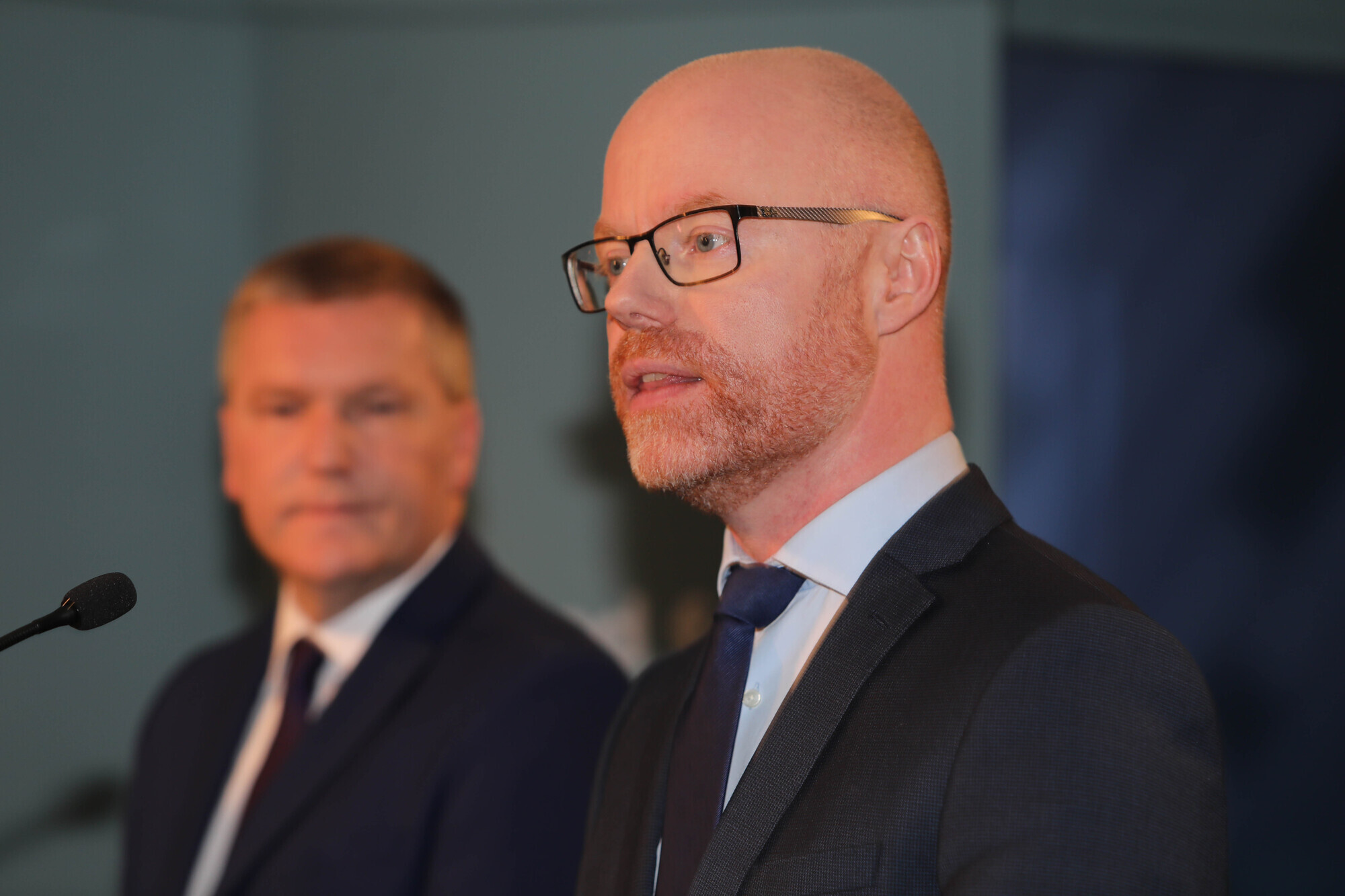
Minister for Health Stephen Donnelly. Picture: Garrett White/Collins Agency
The Government is poised to sign off on the location of three new elective hospitals – for Cork, Galway, and Dublin – within weeks.
But Fine Gael representatives in Cork are split over where the €100m facility for Munster should be built.
It follows confirmation from Health Minister Stephen Donnelly that he will bring a memo to Government soon with a recommendation on where the hospitals will be built.
The hospitals are a key part of a new Sláintecare strategy to address outpatient procedures and surgical waiting lists.
Mr Donnelly declined to confirm if the 400- to 600-bed facility proposed for Cork will be built on part of the 117-acre St Stephen’s Hospital site in Sarsfield Court, Glanmire, east of the city, which has been identified as the preferred location.
Cork North Central FG TD Colm Burke supports this site but his colleague, Senator Jerry Buttimer, believes the hospital should be built in Curraheen, on the other side of the city.
“I think it should be co-located as close as possible to a tertiary hospital like Cork University Hospital (CUH),” Mr Buttimer said.
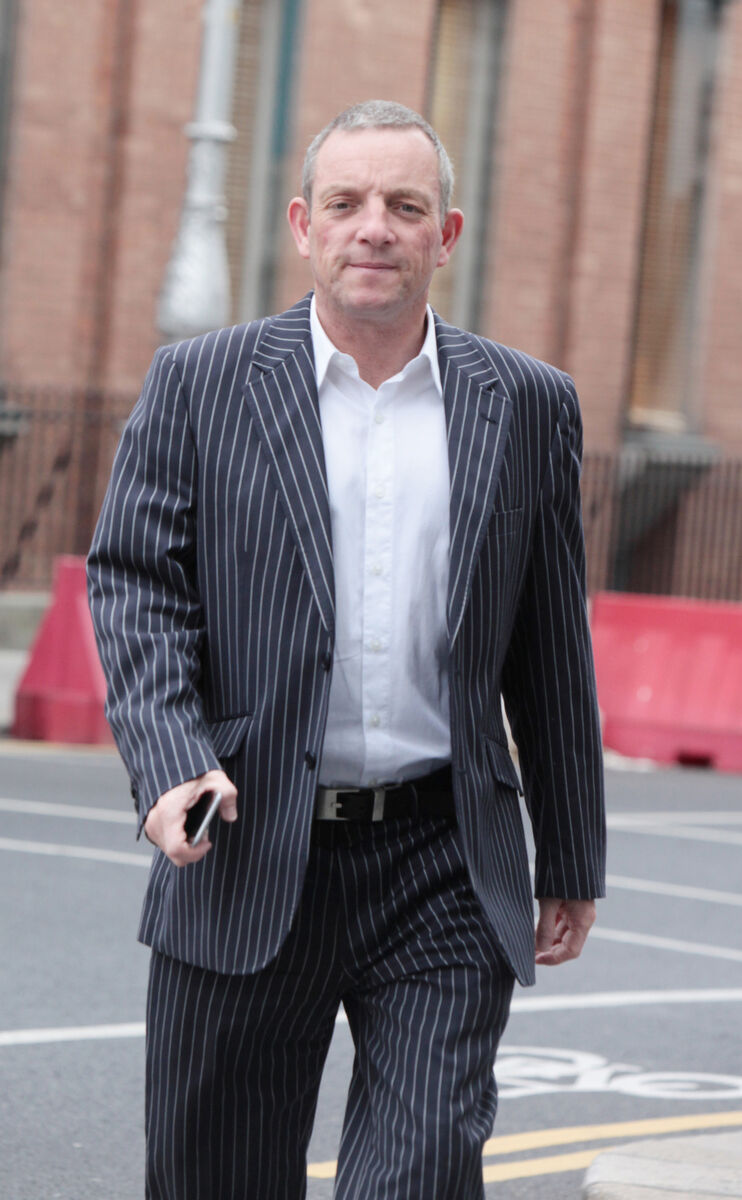
“I don’t think it makes any sense to go to a site like Glanmire, which is a further distance from CUH, with access issues and lack of public transport provision.
“I appreciate that it is HSE-owned land, but if we have learned anything from National Maternity Hospital and the National Children’s Hospital debates, it’s that we should be co-locating such medical facilities and Curraheen offers all of that.”
Mr Donnelly said the hospitals will play a vital role in easing pressure on existing hospitals and cutting waiting lists.
“They’re going to be a gamechanger,” he said.
There has been a lot of discussion around whether they should have day case as well as inpatient beds.
“It was agreed by Government last year that they would have inpatient beds and it was something that clinicians in Cork and elected politicians in Cork were very, very keen – that in the second phase, it is built such that there is extra inpatient capacity as well. So that’s already been agreed.
“The next step is in the next few weeks I'll be bringing a memo to Government with a recommendation on sites. I can't speak about the sites yet because it's something that government is going to have to sign off on and then critically, we have to get moving on it.
“The reality is over the last many decades, it simply takes the State too long to build hospitals.
“So we'll have a decision on the location soon. And then we need to move on, we need to get the detailed planning, the procurement and we need to get building them quickly.”
When pressed on a timeline for construction, Mr Donnelly said the start date depends in part on the procurement process.
“But the bit that we can control is we can get get a government decision hopefully in the coming weeks and then we can move to procurement quite quickly,” he said.
It is estimated that the three hospitals will provide coverage for 60-70% of the overall population, catering for up to 940,000 planned procedures and operations every year.
This includes around 215,000 day case surgery and minor operation procedures; around 115,000 endoscopy procedures; over 400,000 outpatient diagnostics and treatments, and almost 200,000 outpatient consultations. The Munster facility is expected to have 10 surgical theatres and could have 400 to 600 beds, to cater for day-care and in-patient cases.
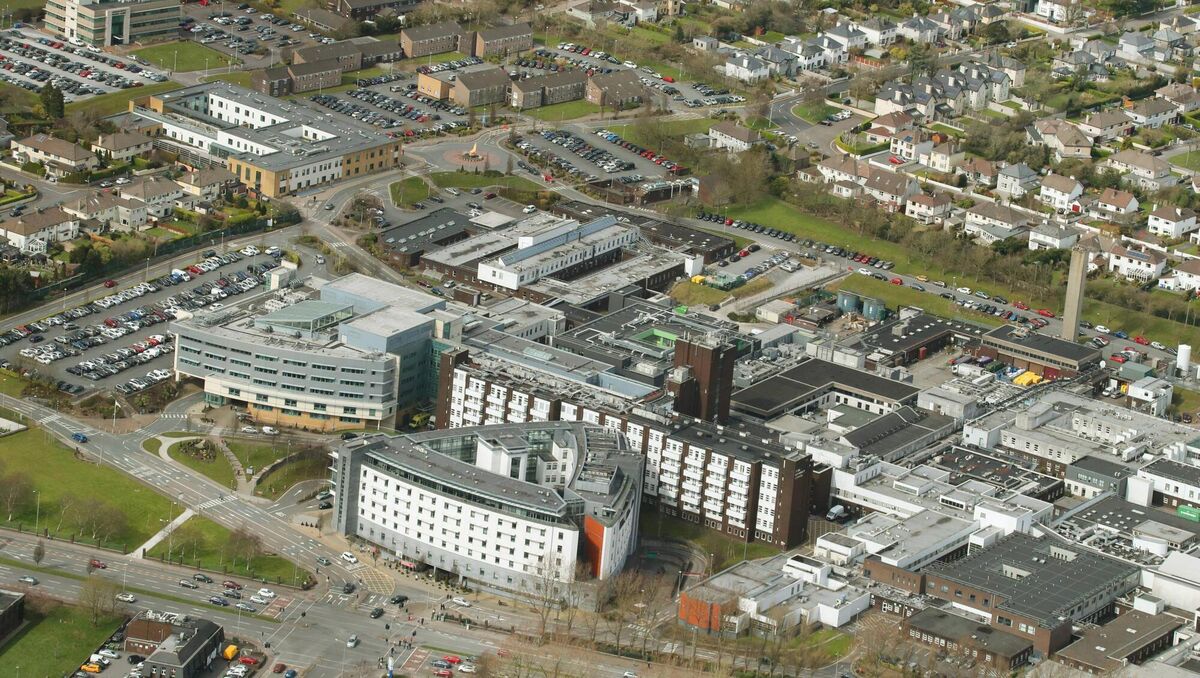
It will have a centralised out-patient service facility, to bring together the outpatient service requirements for CUH, the Mercy University Hospital and the South Infirmary Victoria University Hospital, as well as a vast range of advanced diagnostics, to which GPs would have direct access.
It would allow those three hospitals to focus on those patients with more complex needs and ensure they have bed capacity for complex surgery cases.
The site in Glanmire which has been earmarked for the hospital was originally developed as a TB sanatorium in 1954, and is home today to an acute mental health unit, an Alzheimer’s unit, administration facilities, and some Tusla operations.
CONNECT WITH US TODAY



Be the first to know the latest news and updates