Expedition company charging €230k to visit dissolving Titanic wreck
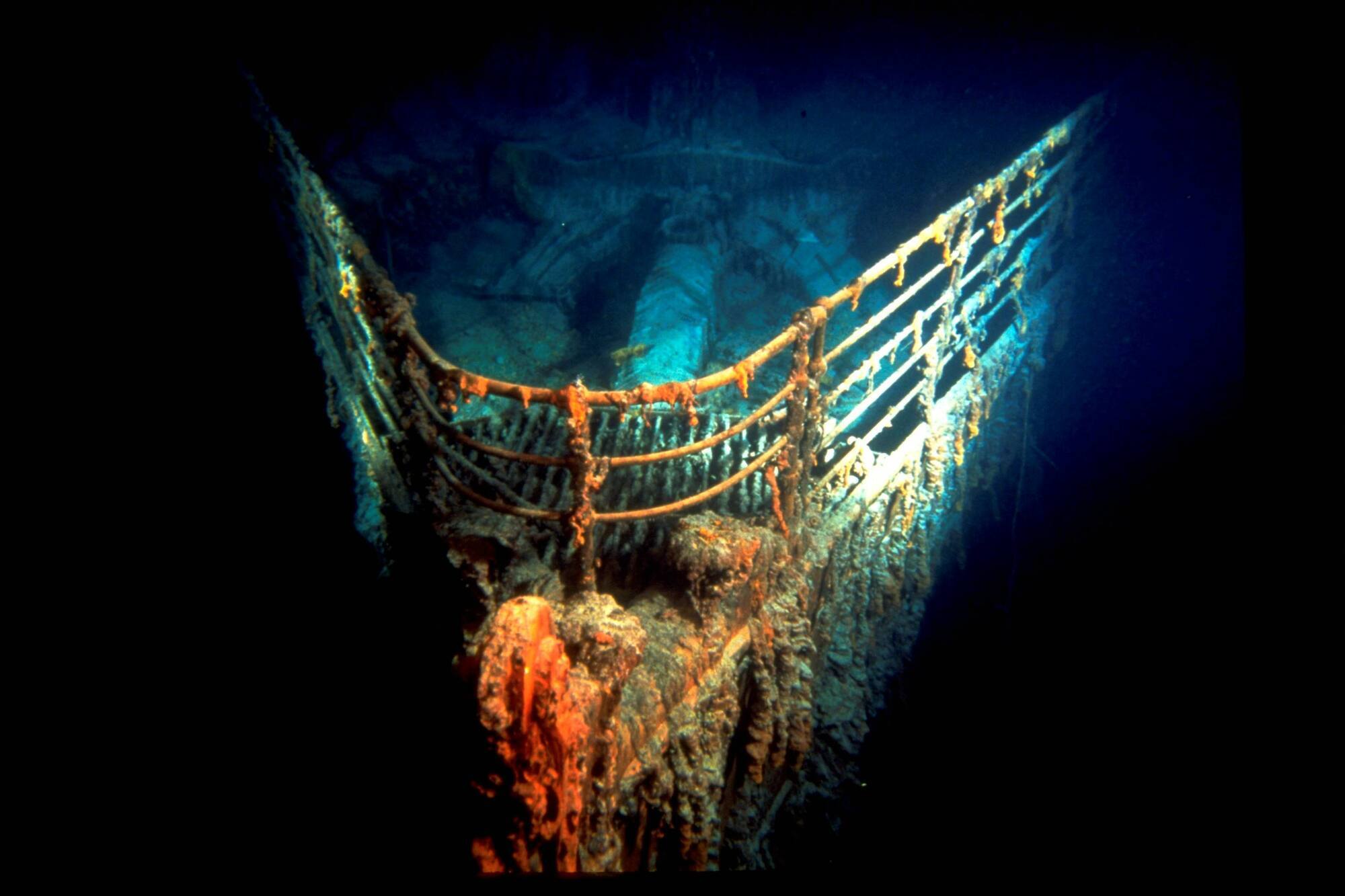
The bow of the Titanic as it sits on the ocean floor.
The Titanic sank before it completed its maiden voyage from Queenstown (Cobh) to New York on this day 110 years ago.
For those 110 years, the wreck has sat almost four kilometres below water, near Newfoundland.
Now though, scientists estimate that the wreck could disappear by 2030 as it is being devoured by Halomonas Titanicae, a rust eating bacterium first discovered on the sunken ship.
OceanGate Expeditions is a privately owned expedition company that hopes to track the decay of the Titanic wreck by making annual expeditions, underwritten by private individuals who pay $250,000 (€230,000) each to join the missions.
OceanGate CEO Stockton Rush told the that although the fee to join the mission is expensive, it’s still an expedition model that is accessible to people other than “government or billionaires”, and makes consistent surveying of the wreck possible.
The “citizen scientists” who pay the "mission fee" are trained to be crew members on an eight-day expedition, to dive down to the seafloor in a five-person submersible, and take images to track the decay of the wreck.
Mr Rush said the expedition is “as close as you get to going to space”, as the crew spend three hours sinking to the bottom, spying on strange deep-sea creatures, and gathering data and samples to bring back up to the surface.
OceanGate’s first expedition to the Titanic was in 2021, with the next planned for June of this year. If the expeditions continue into 2023 and beyond, it will be the first time that anyone has visited the wreck three years in a row.
“We're going to go every year. It's going to give us an opportunity to see at what rate is it decaying. People say the wreck might be gone soon. It might not be gone for 100 years. That’s what we’ll find out.”
Mr Rush said there is huge demand for the expeditions, and the data gathered from them.
“People want to see the Titanic. If people think about exploration or places to go, the Titanic and Everest are the things that come to mind,” he said.
He hopes that interest in the Titanic Expeditions will also help OceanGate launch new expeditions to other wrecks, and further explore the ocean's depths.


CONNECT WITH US TODAY



Be the first to know the latest news and updates