Abandoned Waterford mansion to go under the hammer for €300,000
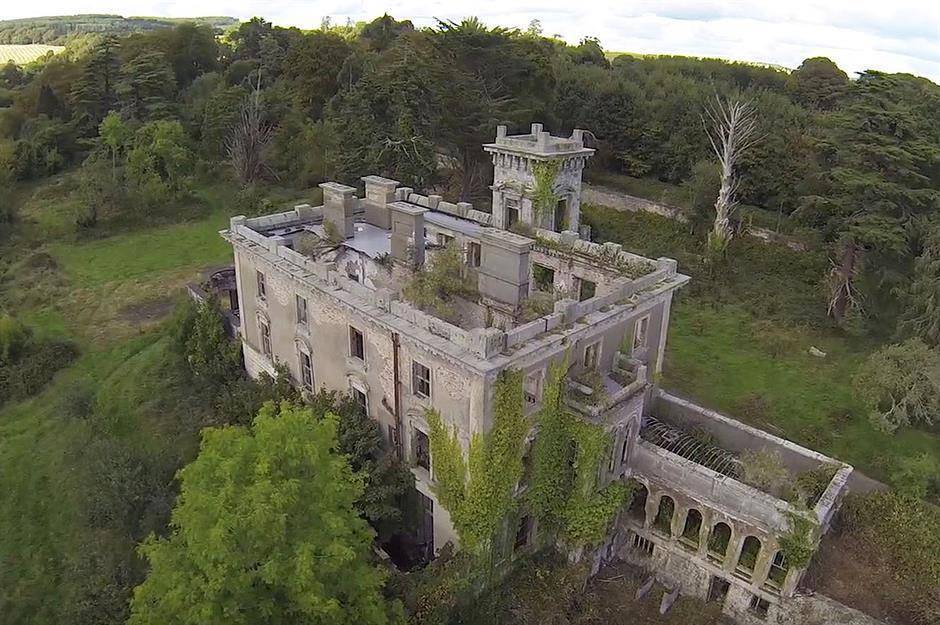
Mayfield House in Portlaw, Co Waterford built in 1740, which is to go under the auctioneer's hammer for €300,000.
An abandoned mansion considered one of the finest in Ireland in its heyday is to go under the auctioneer's hammer for €300,000.
Mayfield House in Portlaw, Co Waterford was built in 1740 and has been empty since 1994, sadly suffering deterioration in the decades since.
Now the 10 bedroom, one bathroom, along with a gate lodge, on 6.05 acres of land is on the market, with its price dropping a staggering €535,000 from its original asking price of €835,000. The auction firm BidX1 is managing the sale.
The mansion was designed by architect William Tinsley for the wealthy Malcomson family. They founded the nearby town of Portlaw as a centre of the tanning industry, complete with its own leather currency.
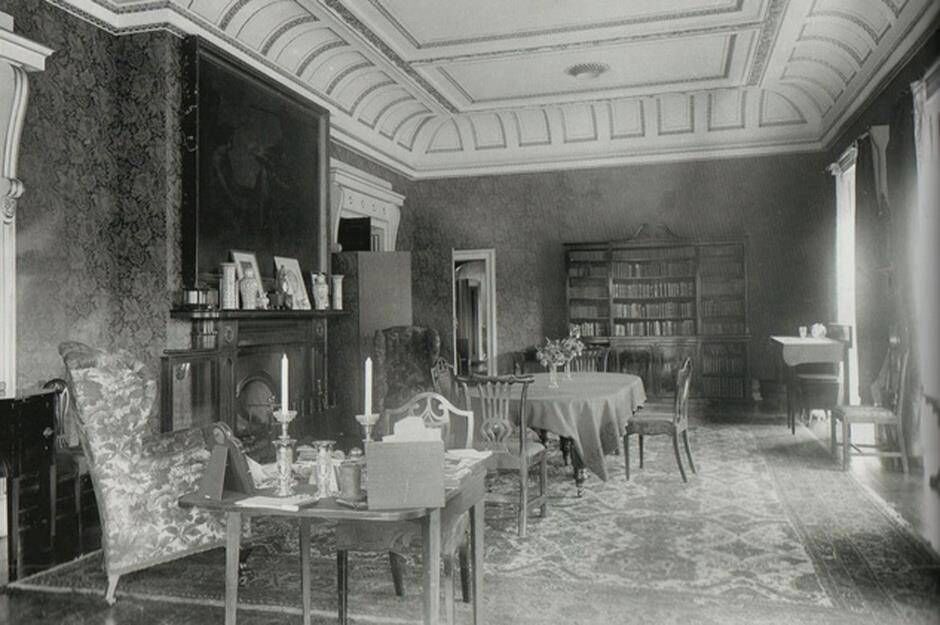
No expense was spared on the stately home. The interiors boasted splendid décor with ornate plasterwork, opulent gilding and intricately carved stone fireplaces. In its heyday, Mayfield was considered one of the finest country houses in Ireland.
The house, while still belonging to the Malcomson family, was eventually repurposed as the national headquarters for the Irish tannery industry. The country's leather industry went into decline in the 1950s.
In 1985, the Irish tannery industry collapsed. Mayfield House was subsequently used as office space until the early 1990s. The building was finally vacated in 1994 and effectively left to rot.
In the mid-1990s, the roof of the building was still intact and the interiors, though shabby and in need of a revamp, were in a reasonable state of repair.
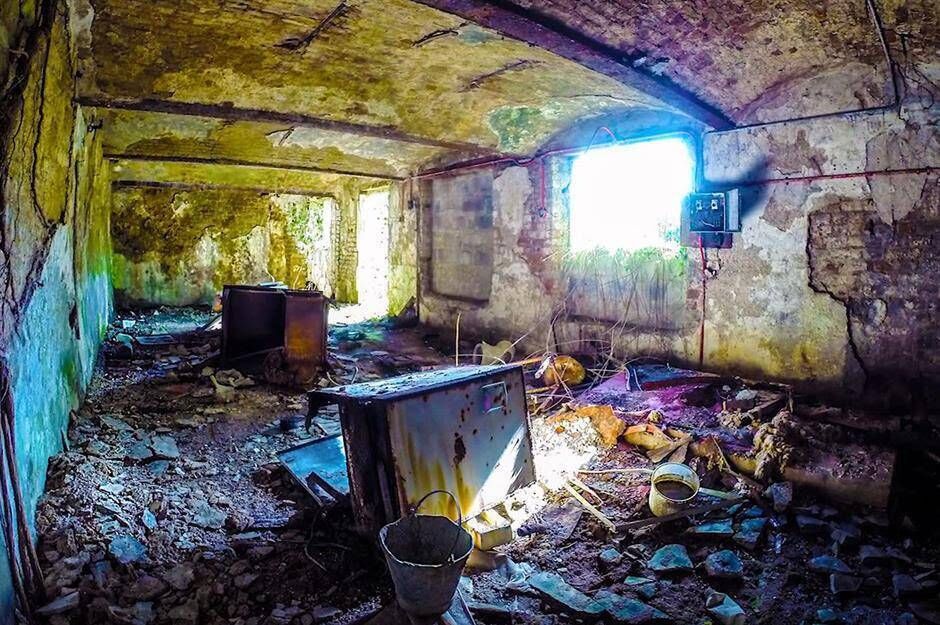
By the turn of the millennium, Mayfield House had become a decrepit roofless shell. Many of its original features were stripped for architectural salvage. These days, all that is left of the grand mansion is its walls.
The National Inventory of Architectural Heritage describes the property as "an imposing, well-composed, substantial house".
"The house is distinguished by the elegant entrance tower, which augments the Italianate Classical quality of the composition. Now in ruins, and having been exposed to architectural salvage, much of the original fabric has been lost, although the remains of some fine detailing to the openings survive intact, contributing to the design quality of the site.
"The house forms an elegant centrepiece in extensive grounds originally accommodating the Malcomson cotton factory complex, and remains an imposing, although increasingly obscured, landmark of some Romantic quality in the townscape."


CONNECT WITH US TODAY



Be the first to know the latest news and updates