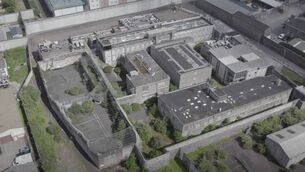
Jail Break: Relatives to mark 100 years since famous Spike Island escape
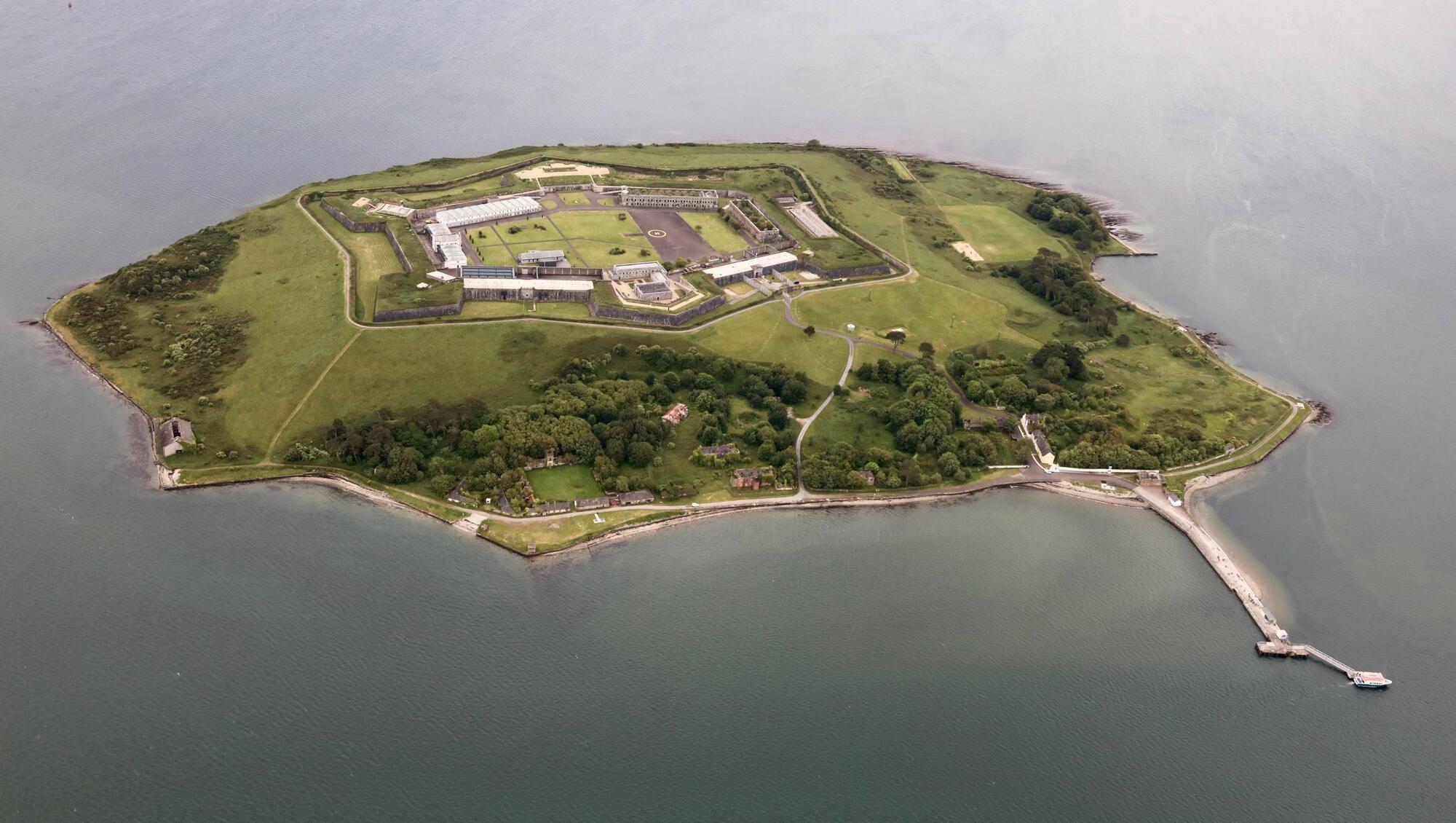
Spike Island was home to the largest British military prison in the south of the country and in 1921 up to 1,200 IRA men and suspected sympathisers were detained there. Picture courtesy of Spike Island
A number of relatives of seven IRA men who made a famous escape from Spike Island prison will attend a special commemoration on Tuesday night to mark the occasion exactly 100 years on.
The island was home to the largest British military prison in the south of the country and in 1921 up to 1,200 IRA men and suspected sympathisers were detained there.
The seven who escaped were: Richard (Dick) Barrett, Ballineen, Co Cork; Patrick Buckley, Araglin, Co Cork; Tom Crofts, alias Tom Flavin, College Road, Cork; Jack Eddy, Ardmore, Co Waterford; Henry O’Mahony, Passage West, Co Cork; William (Bill) Quirke, Fethard, Co Tipperary; and Maurice (Moss) Twomey, Clondulane Co. Cork.
They had complained to the British that the 'sally port' part of the jail was full of rubbish. They received permission to clean it and while doing so they removed bricks at its rear to gain access to the moat.

On Tuesday night, relatives will get a special tour of the island following the route the escapees took.
Historian and Spike Island deputy manager Tom O'Neill said the evening of the escape was wet and windy and the sound of the wind would have covered any noise the internees made.
“They exited the sally port after dark and before the searchlights were turned on, crossed the moat and scaled the outer wall. They used a ladder made from floor joists, rungs of chairs and electrical cable which was constructed by internee James Cashman from Whitegate,” Mr O'Neill said.
They made their way to the shore where they were told there was a boat beached. But it was too heavy to move. They spotted another boat out from the pier and Jack Eddy swam out to retrieve it. He lost his knife while cutting it from its moorings and had to sever the rope with his teeth.

Helped by Henry O’Mahony’s local knowledge, they reached the mainland near the Belmont Army huts, on the east side of Cobh.
“The seven men were now safe and because of the Truce, which had come into force on the 11th of July 1921, they could not be rearrested by Crown Forces for escaping from custody,” Mr O'Neill said.
A week later, on November 16/17, 71 prisoners were moved from Spike Island to Kilkenny Gaol.
The following night, November 18, all the remaining internees were moved from Spike to Maryborough (Portlaoise) Prison. The military prison on Spike Island was then closed.
CONNECT WITH US TODAY



Be the first to know the latest news and updates