Limerick homeless shelter sees surge in drug overdoses and relapses during Covid
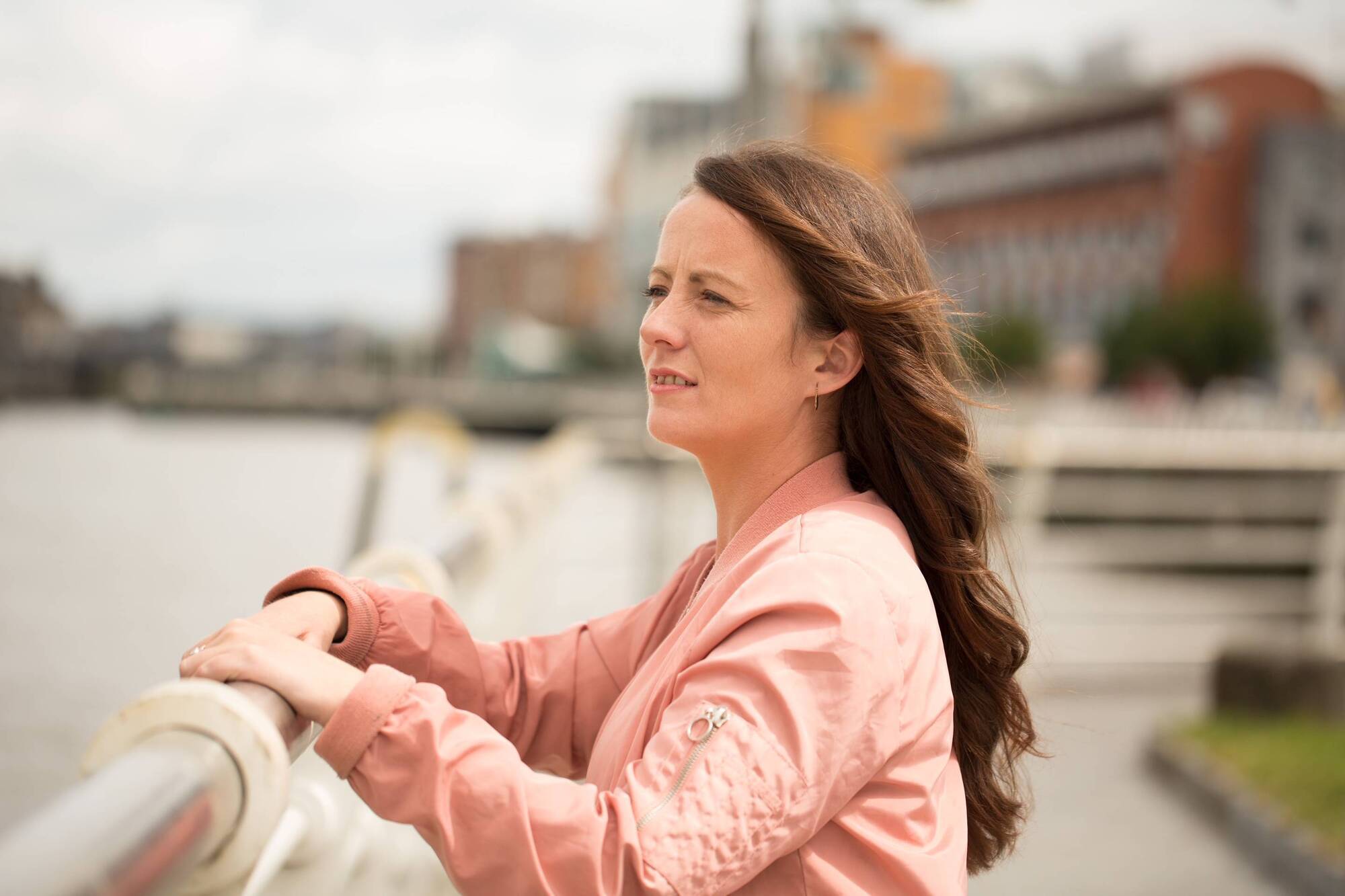
Patricia Leahy is in recovery after battling drug addiction for years; she is currently two and a half years âclean from drugsâ with support from NOVAS.
Incidents of drugs overdoses, as well as drug relapses, rose sharply during the Covid-19 pandemic last year, at McGarry House, a shelter for people experiencing homelessness in Limerick City.
Naloxone, a life-saving medication used to block the effects of drugs overdoses, was used 42 times at McGarry House in 2020, compared to 18 occasions in 2019.
This represents âa huge riseâ, said Una Burns, head of policy and communications at NOVAS, which operates the facility at Alphonsus Street.
âAmong our clients, risky drug use, and overdose, really escalated during the period, particularly the first lockdown,â said Ms Burns.
âThis was triggered by a number of factors â double (social welfare) payments, loneliness, fear, services being closed, etcetera.
âWe also noted a number of clients in recovery, relapsed during the pandemic, so it really did adversely impact people in active addiction and those in recovery.âÂ
Ms Burns said that despite the pandemic and the âextraordinary pressuresâ placed on homeless services, âNOVAS worked with more people than ever before in 2020â supporting 5,701 people, an 8% rise on 2019, and a rise of 493% since it started in 2010.
These practices were often contrary to its âface-to-face interventionsâ.
With schools, childcare services, as well as breakfast and after-school clubs all closed during lockdown, the impact on struggling families was âsignificantâ with food poverty necessitating a rise in food parcels and toiletries, she said.
The lockdown was felt most acutely by those without adequate housing including âmulti-generations of families involuntarily sharing, people sofa surfing, and for families living in one room in a hotelâ.
For some, like Patricia Leahy, a client who sought help for drug addiction, there is light through NOVASâs support.
Ms Leahy, 35, said she spent â17 years in active addictionâ but is currently two and a half years âclean from drugsâ.
âI was hopeless, on the streets, in tents, in hostels, just in really, really dark places, and I was constantly fighting day to day to feed my addiction and to try and get somewhere warm to stay,â she said
After experiencing trauma her life became chaotic, she felt âquite brokenâ and she thought âthere was no way outâ.
She eventually learned coping skills through engaging with her key worker, Julie McKenna, and moved away from people and places that triggered her back to her dark days.
The road ahead was hard-travelled but she has come out the other side smiling.
âMoving has changed my life; I now live in Waterford.â
âIf I need any support or anyone to talk to, I contact Novas. I talk to Julie, just about anything. Anything new going on for me, I just let her know that Iâm doing well, and Iâm really grateful for that connection," Patricia said.
âI guess, the staff in Novas would have seen me at my lowest point; I was just destroyed from drugs, both of my kids were taken off me, I went from toxic relationship to toxic relationship.
âI had no self-worth but Novas believed in me and showed me love when I wasnât able to believe in myself and show myself love.
âThey didnât judge me, I always judged myself, and with my drug use came low self-esteem, which could have been there before I picked up a drug â I thought I wasnât good enough.Â
âToday, Iâm in full-time education, Iâm studying social care. I have good and genuine friends, I have a life beyond my wildest dreams, and, Iâm really grateful.â