Irish coffee drinkers face 'eye-popping' price rises, warns Cork roaster

Coffee is poured from a stovetop espresso coffee maker, London. Picture: Anthony Devlin
Irish coffee drinkers will find out the hard way early next year that the climate crisis affects all facets of life, including their morning cup of joe — with potentially 'eye-popping' price increases on the cards.
A particularly harsh frost in the midst of the Brazilian winter in July led to a third of the crop in the arabica-producing region being destroyed, which means the commodity is seeing its price skyrocket. While frosts are factored in by Brazilian farmers, the severity of this one caught them off guard.
Irish coffee industry experts have warned that, combined with a global supply chain fallout from the Covid-19 pandemic, and social strife in coffee-producing countries such as Colombia, drinkers can expect significant increases in the first quarter of the new year.
Rob Horgan of the award-winning Velo Coffee Roasters, as well as Cafe Velo in Cork's City centre, warned that the potential price increases for Irish coffee drinkers could be a shock.
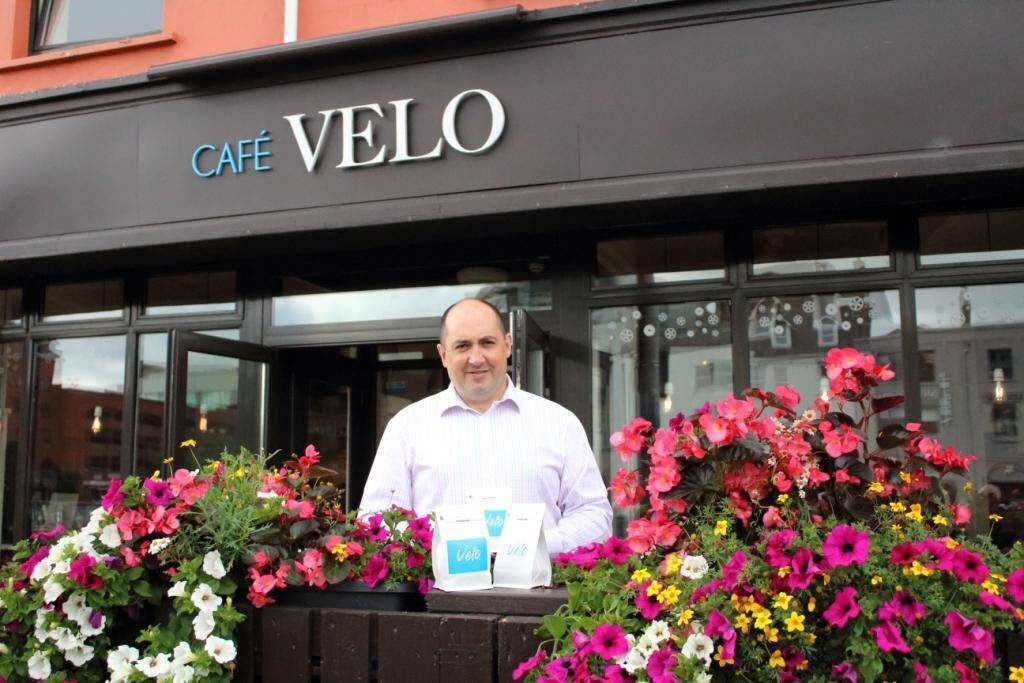
"The coffee price is based on the C Market in New York — if you go to this time last year, the price would have been about $1.15 stable. Right now, it is at $1.95, and has broken the $2 mark.
"The likes of ourselves, West Cork Coffee, and Badger & Dodo buy speciality coffee. That C Price is for industrial coffee which is mass harvested, but our coffee is picked by hand and processed with the best of the crop. We would have the best of coffees costing €13 a kilo. It has a knock-on effect up the line.
"We’re lucky in that we are partially insulated in that we would have contracted our coffee forward, but we have been informing our customers that in the first quarter of next year, there will be price rises — and they will be significant."
Market research firm IBISWorld has predicted prices could skyrocket to $4.44 a kilo this year, giving an indication that those who can't start their morning without a brew should brace themselves for the inevitable hit in the pocket.
Mr Horgan said that the shortage is predicted to be 30m this year.
Multiple factors have combined to bring the current situation to a head, Mr Horgan said.
"The Brazilian crop was badly hit by the frost this year," he said.
"Brazil is an unusual origin in that they are harvesting most of the year, whereas if you go to India or El Salvador, they harvest once a year.
"The other factor is that Colombia is the next-largest producing region, and current turmoil in the country has spread out from the cities to the regions. Getting containers out of Colombia is now a lot more difficult.
"On top of that is the global container shipping issue."
Supply chains across the world have been severely disrupted by the Covid-19 pandemic, causing major backlogs and hitting smaller businesses particularly hard.
Coffee is just one of a whole range of industries affected, with shipping costs rising from around €2,850 per container to more than €8,600.
CONNECT WITH US TODAY



Be the first to know the latest news and updates