'Decision-makers don't know what's happening in schools': Cork principal on contact tracing changes
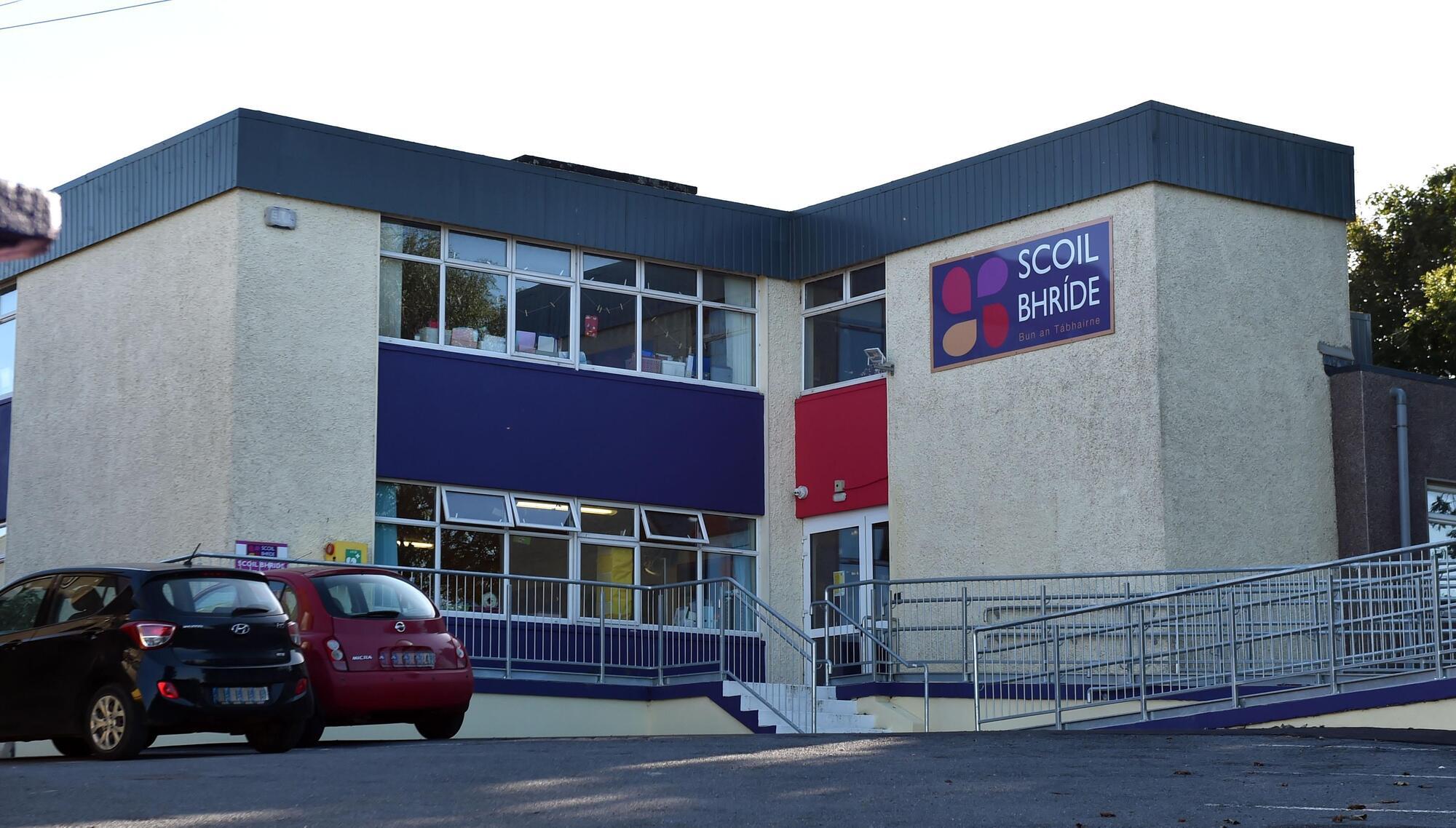
'I’m not sure would parents accept that their child wouldn’t be a close contact if they are sharing desks,' said Seamus O'Connor, principal of Scoil Bhride girls' national school, Crosshaven, Co Cork. Picture: Eddie O'Hare
“We are happy to be back, it’s just this latest move has put a lot of pressure on principals to go almost into the realm of public health.”
That's according to Seamus O'Connor, principal of Scoil Bhríde, a primary school in Crosshaven, Co Cork.
“I think everyone will be quite uncomfortable with that," he told the .
"I understand that this is a fast-moving situation but it’s just been foisted on schools."
Last October, Scoil Bhríde was forced to shut its doors due to staffing shortages caused by Covid. Due to two positive cases amongst staff, four teachers, two special needs assistants (SNAs), and Mr O’Connor had to self-isolate for 14 days. He believes the changes to contact tracing and testing procedures for younger students from next week may pose problems.
“This is quite a dramatic change again in relation to how we are dealing with cases as a school, with no support now.”
It would have been beneficial for principals if there had been an opportunity in advance of the changes to ask questions, he said.
"Realistically, it's not. If you have a group of first-class children, for example, they do meander. It’s not like old-school, 20 years ago, where the children had to sit in the seat for the whole day.
“I just feel they don’t have a good sense of what it's like. I have eight classrooms, they are all 77m squared. I have 230 children dispersed between the eight of them. I don’t know if non-teachers can contemplate what that looks like in reality.
“Anecdotally, all of my colleagues who have been informed in relation to cases have been hearing them from their parent body. Now, instead of leaning on the guidance of public health and contact tracing, now in essence what is happening is that once a parent advises you of a case within a school it is now incumbent on you to make decisions on what to do.
The rationale for the decision has been the success of the vaccination programme in children in the age of 12 and upwards, he added.
“The vast majority of our [school] population is not vaccinated, nor is there even a chance of them getting vaccinated. The actual reasoning doesn't relate much to our environments, which amplifies for me that I don’t think the people making these decisions know what’s going on in primary schools.”
CONNECT WITH US TODAY



Be the first to know the latest news and updates