Inquest proposes immediate changes after tragic death of mum and newborn son at Cork hospital
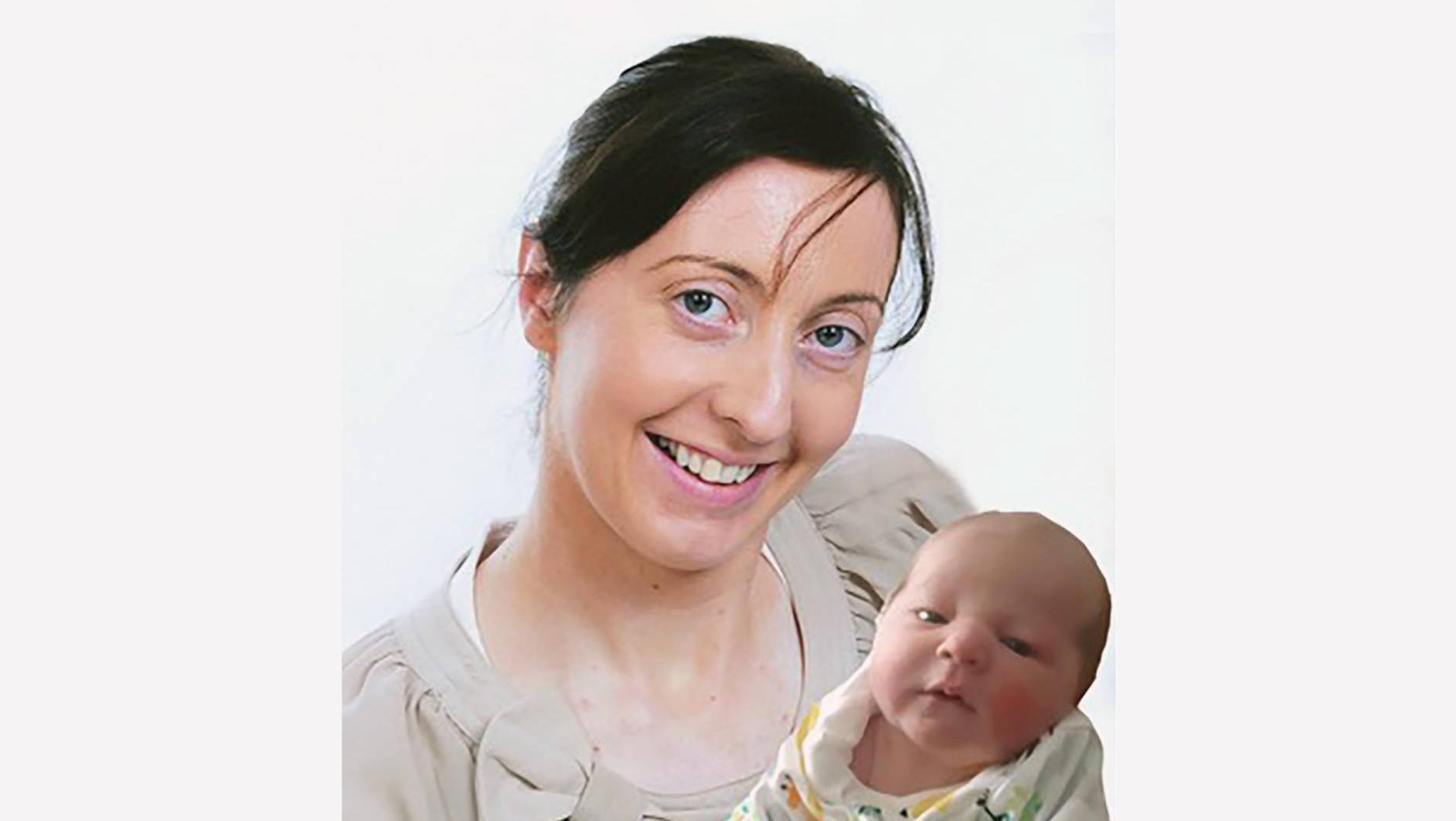
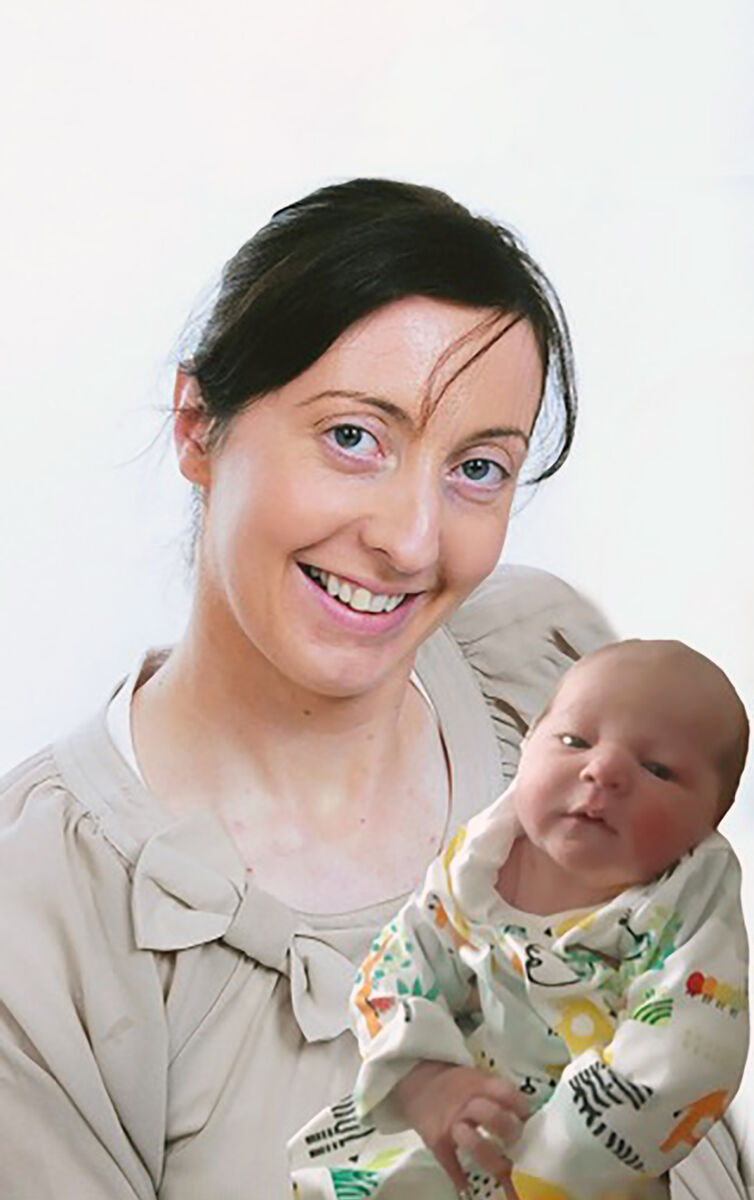
Marie Downey, who had a history of epilepsy, gave birth at CUMH to baby Darragh on March 22, 2019.
Experts have recommended the immediate appointment of a specialist epilepsy nurse to the hub maternity hospital in each of Ireland’s hospital groups following the tragic deaths of a mother and her newborn baby boy at Cork University Maternity Hospital (CUMH) just over two years ago.
They have also recommended the appointment of a consultant neurologist with an interest in maternity health at Cork University Hospital (CUH), and suggested that new seizure warning devices should be considered in individual circumstances in maternity hospitals.
They are among the 11 key recommendations which are contained in a major review which was commissioned following the death of Marie Downey, 36, and her four-day-old son, Darragh, at CUHM in March 2019.
Ms Downey, 36, from Knockanevin near Kildorrery in north Cork, who had a history of epilepsy, gave birth at CUMH to baby Darragh on March 22, 2019.
She suffered a primary postpartum haemorrhage which the review team considered to have been a significant event for the purposes of managing her epilepsy.
She was found unresponsive and lying partly out of her hospital bed, with baby Darragh lying underneath her, at around 8am on the morning of March 25, 2019. It was believed at the time that she may have suffered a seizure while breastfeeding him.
Despite immediate medical attention, she could not be revived and she was pronounced dead at the scene. And despite the best efforts of medics, Darragh died the next day.
An inquest into their deaths opened this morning at Cork City Coroner’s Court.
However, legal representatives for the Downey family, and for CUMH and the HSE, have spent the morning making legal submissions, in-camera, to city coroner, Philip Comyn, around the admissibility or otherwise of the review’s findings into the inquest.
Dr John O’Mahony, SC, for the Downey family, said Ms Downey’s husband, Kieran, is “keen” that the matters are discussed in public. “If the contents (of the review) are not admitted, it will make an absolute farce of the inquest,” he said.
"To rule otherwise, to exclude it, would be perverse and erroneous, and would lead to the inquest itself being totally flawed."
The coroner then ruled that further legal submissions on the matter would be held in-camera before he makes a ruling on the admissibility or otherwise of the review. His ruling is awaited.
The systems analysis review was commissioned by Prof. John Higgins, clinical director for maternity services at the South South West Hospital Group, of which CUMH is part, and was chaired by Prof. Norman Delanty, consultant neurologist at Beaumont Hospital Dublin.
It was accepted by Prof. Higgins last July but it has yet to be published. However, a copy of the review, its findings and recommendations, has been seen by the
The review team described this case as a “tragic, unforeseen and highly unusual event” which has had a “profound effect” on Ms Downey’s family, and on the medical staff who cared for her and her baby.
- With specific reference to women with epilepsy, HSE guidance (on their care) should be widely circulated to all maternity units. All relevant clinical staff must be educated in caring for women with epilepsy in pregnancy and childbirth.
- When a pregnant woman has an underlying health issue, information related to the impact of the pregnancy on the particular condition must be sourced such that appropriate care plans can be developed and documented.
- Access to specialist nurse services (epilepsy, neurology) must be offered and provided to all women with epilepsy attending maternity services in Ireland. To this aim, the review team strongly recommends immediate appointment of an epilepsy clinical nurse specialist or advanced nurse practitioner to the hub maternity hospital in each hospital group.
- Medications for comorbidities when taken by in-patients must be prescribed and the administration of the medication must be documented in the patient’s health record.
- Improved use of electronic prescribing, if available, in order that inappropriate medication is avoided.
- Pre-order medication should be prescribed when indicated.
- There is an urgent requirement for a level of standardisation in some of the functions of the electronic patient record. It must be made possible to flag risk and comorbidity on the ‘banner bar’ in a consistent fashion and that critical information is displayed immediately under the banner bar for all users.
- Single room accommodation for postnatal women is considered optimal for privacy and dignity and is the model for all future hospital infrastructure development. For women with epilepsy, new and evolving seizure warning devices should be considered in individual circumstances.
- Access to a patient’s information must be restricted only to key staff members immediately after a serious event to maintain and protect patient confidentiality. It is understood that this recommendation followed concerns expressed by the family about the inappropriate release of certain information to the media in the immediate aftermath of Ms Downey’s death.
- HSE recommendations on infant sleeping guidelines should continue to be promoted ensuring that the baby is placed in the cot beside the mother when not being fed or comforted.
- The review team strongly recommend that a consultant neurologist with an interest in maternity health be appointed at Cork University Hospital.
CONNECT WITH US TODAY



Be the first to know the latest news and updates