Influx of tourists causing spike in homelessness in West Cork
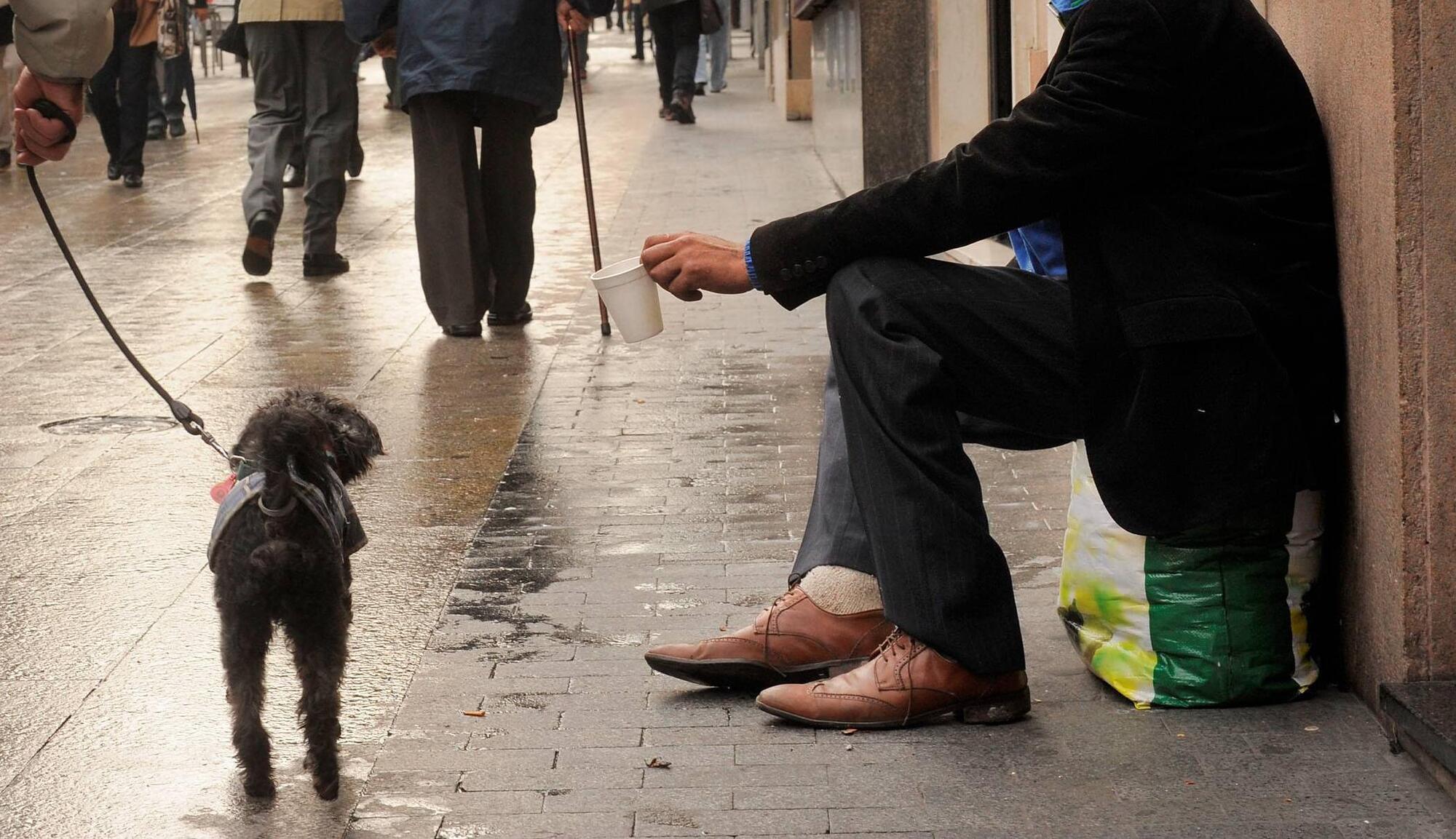
Novas has seen a rise in those who have been asked to leave emergency accommodation, with some clients resorting to living in their cars and other forms of rough sleeping. File Picture: Getty Images
The high demand for holiday accommodation in West Cork is causing many low-income households to be made homeless, with services saying they have never seen housing pressure like this before.
The increasing popularity of staycations means the pressure for accommodation in scenic rural towns and villages in West Cork is now more acute than ever, according to Novas homeless support services.
A spokesperson for the group said that some people are being “pushed out” of the emergency accommodation they were temporarily living in during the off-peak season.
Patrick Healy, manager of Novas’s West Cork Tenancy Sustainment Service, has noted "a marked increase" in the number of clients he supports who find it extremely difficult to access emergency accommodation.
He has also seen a rise in those who have been asked to leave this type of accommodation, with some clients resorting to living in their cars and other forms of rough sleeping.
Una Burns, head of policy and communications with Novas said that the summer months have always been challenging for people who are homeless in West Cork, as tourists command much of the available short-term lets as well as vacancies in hotels.
“However, this year has been worse than ever, with more people on the cusp of homelessness and resorting to unsuitable accommodation.
"We are supporting people who are sofa surfing for long periods of time, people living in overcrowded accommodation, and households who are involuntary sharing.
As an example of the challenges faced by people, Mr Healy referred to a client that was asked to leave a property he was living in as the rent increased from €400 to €1,200 for a one-bed unit during the holiday season.
Mr Healy believes that while the medium and long-term solution to this issue is the construction and acquisition of more social housing, short-term measures are also required.
He argues that dedicated homeless accommodation, underpinned by the principles of ‘Housing First’, would be a meaningful and appropriate intervention for his clients.
Mr Healy went on to say that many clients are vulnerable and have experienced significant trauma and require ongoing support to address their needs and move from homelessness to long-term housing.
With the peak holiday months of July and August fast approaching, Mr Healy anticipates the situation to get worse.