'I remember the ground opened up': Killarney native recalls Fukushima a decade on
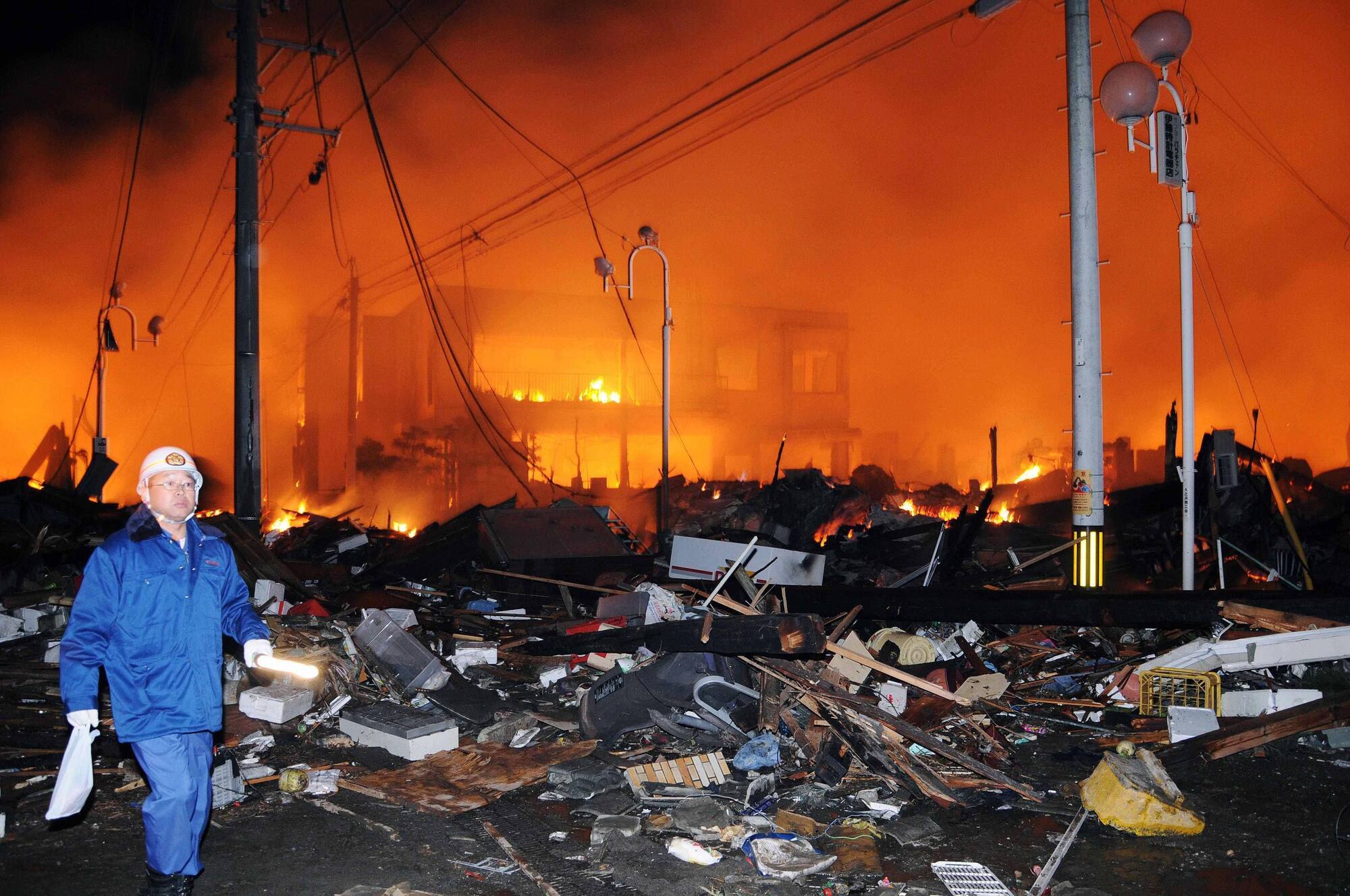
A man walks past the rubble and a burning building after the 9.0 magnitude earthquake in Fukushima prefecture, Japan, on March 11, 2011. Photo: AP/Kyodo News
In Japan, March is a month of celebrations and ceremonies. As the school year draws to a close, students and families gather for graduation ceremonies, and in the background is the spectacular annual gala: cherry blossom season.
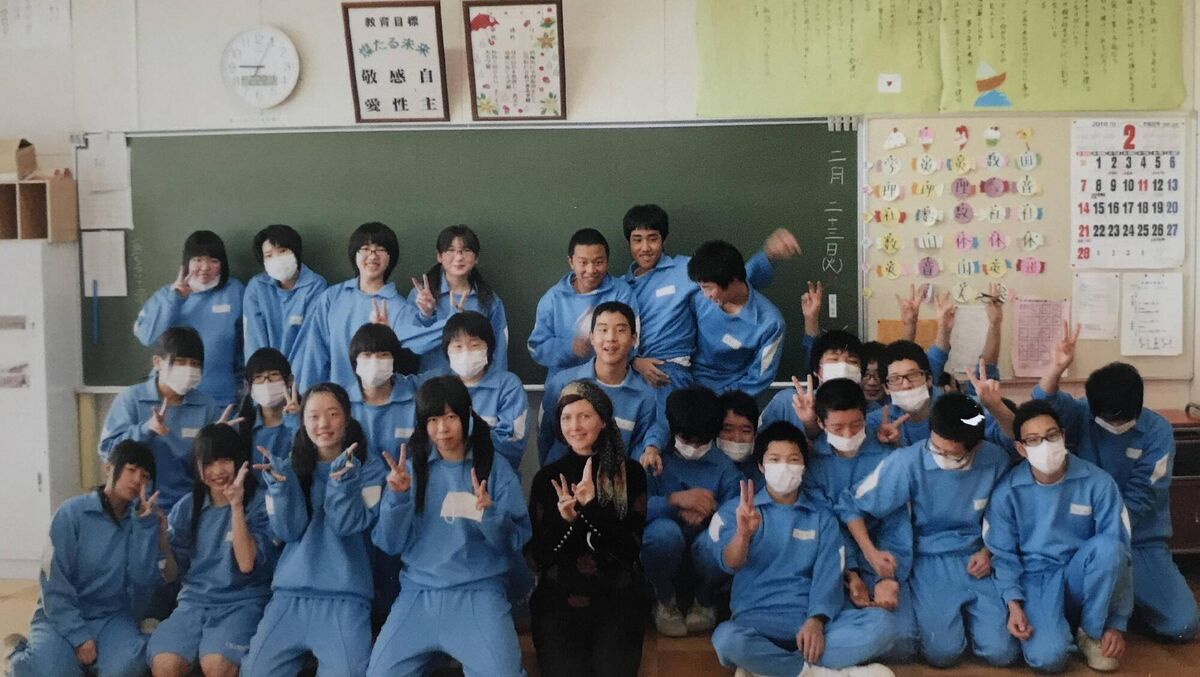
On the morning of March 11, 2011, Sarah Hickey, a Killarney-native, went though the elaborate ordeal of putting on a kimono for the graduation at the junior high school she worked at in Iwaki, a rural coastal region of Fukushima Prefecture, a few hours north of Tokyo.
After graduating from University College Cork in 2008, Hickey moved to Japan, working as an English-language teacher on the Japanese government-sponsored JET program.
At around 2.45pm, about 60km from Hickey’s school, a 9.0 magnitude earthquake struck the coast of Japan.
It was the most powerful earthquake ever recorded in Japan.
“I remember it being really, really strong, so strong that you couldn’t really stand up straight,” Hickey said on the phone from Tokyo, where she now lives.
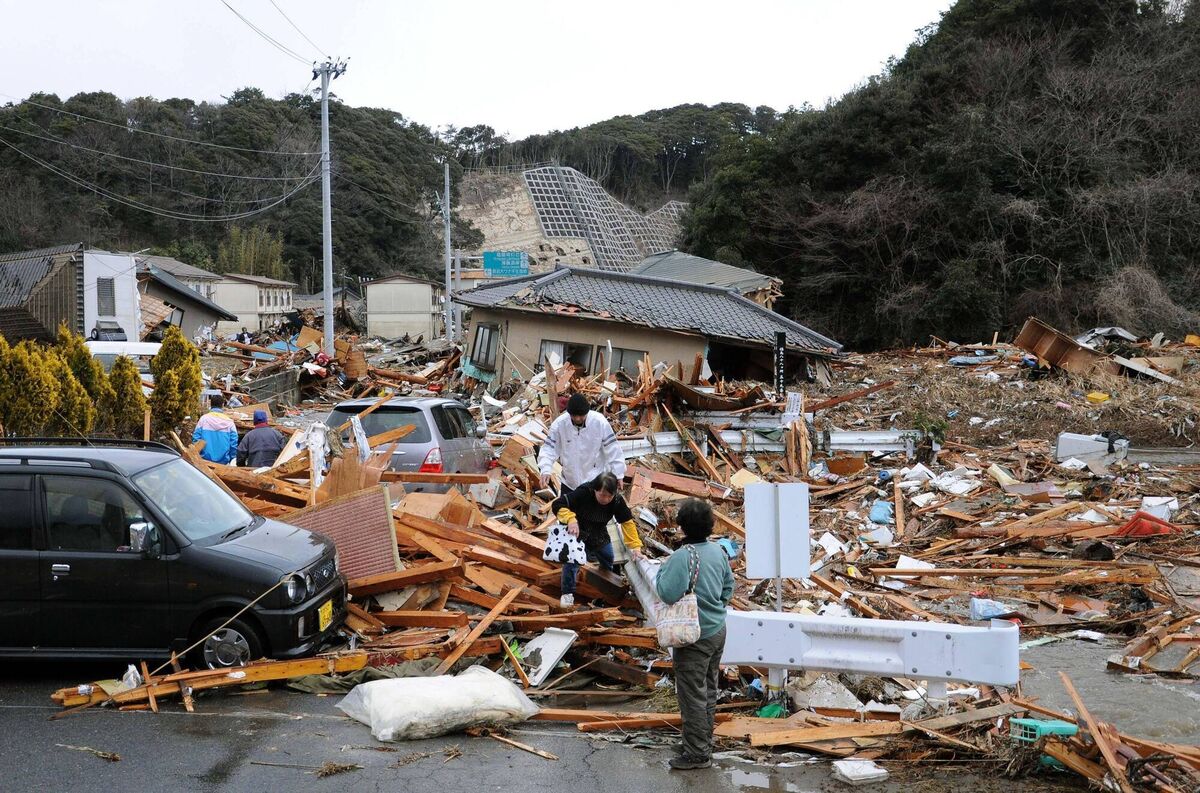
Fortunately, the graduation ceremony had ended when the quake struck, so those in the school were advised to retreat to high ground for shelter before the ensuing tsunami, which washed away more than 100,000 houses and killed nearly 20,000 people. The seaside town where Hickey taught was completely submerged.
But worse was to come as the quake led to the nuclear meltdown at Fukushima Daichi power plant, 40km away from where Hickey was living.
“I think that was the scariest thing, even more so than the quake,” Hickey said. At one stage Hickey said they were afraid to go out in the rain, as there were fears it was radioactive. Violent aftershocks hampered relief efforts.
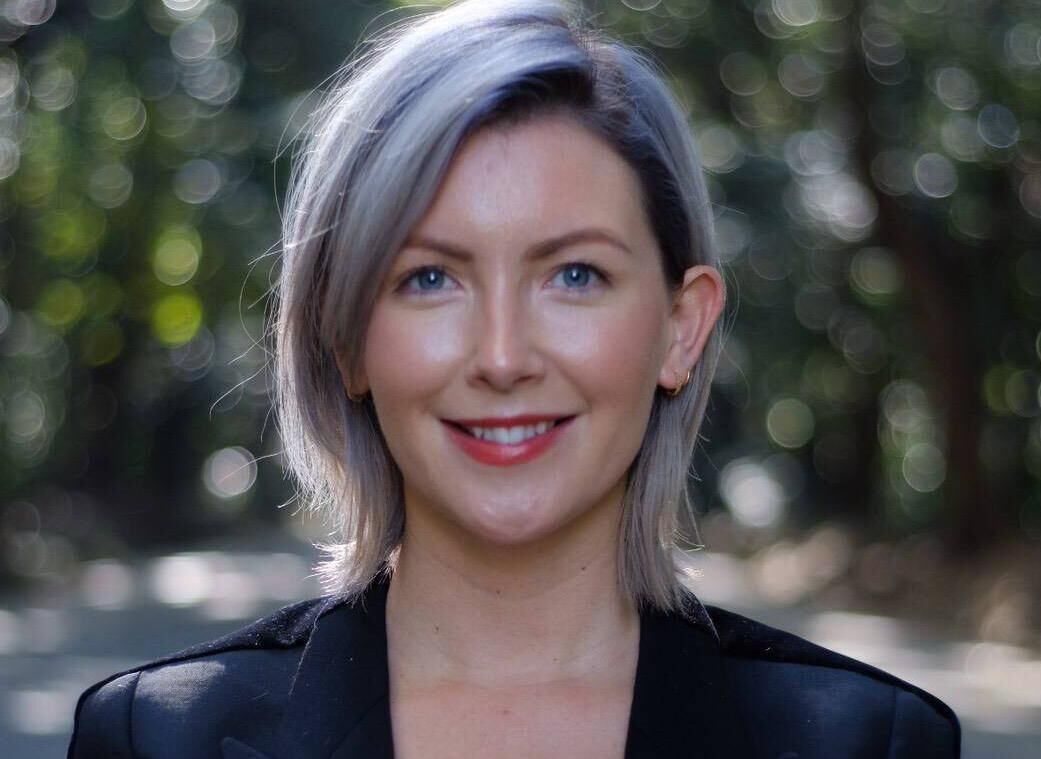
Hickey had planned to return to Ireland in the summer of 2011 and start a postgraduate course here. The triple disaster changed everything. She stayed in Fukushima for another year, to pitch in with the recovery and also because it was very hard to coax teachers to work in Fukushima.
In the year that followed, as Fukushima started the long and costly road to recovery, Hickey fell in love with the culture, developed deep friendships, picked up the language and saw a completely different side to Japan.
Although now based in central Tokyo as a marketing manager at Whisk-e, a Japanese beverage company, Hickey considers Fukushima her “second home.”
While Covid-19 has prevented Hickey from returning to Fukushima, she said she will sometimes close her eyes and think about Fukushima.
“I spent my first four years there in Japan, surrounded by silence and nature, and that’s something I really miss,” Hickey said.


CONNECT WITH US TODAY



Be the first to know the latest news and updates