'Finding-Dory' style octopuses wash up in Goleen and Sneem
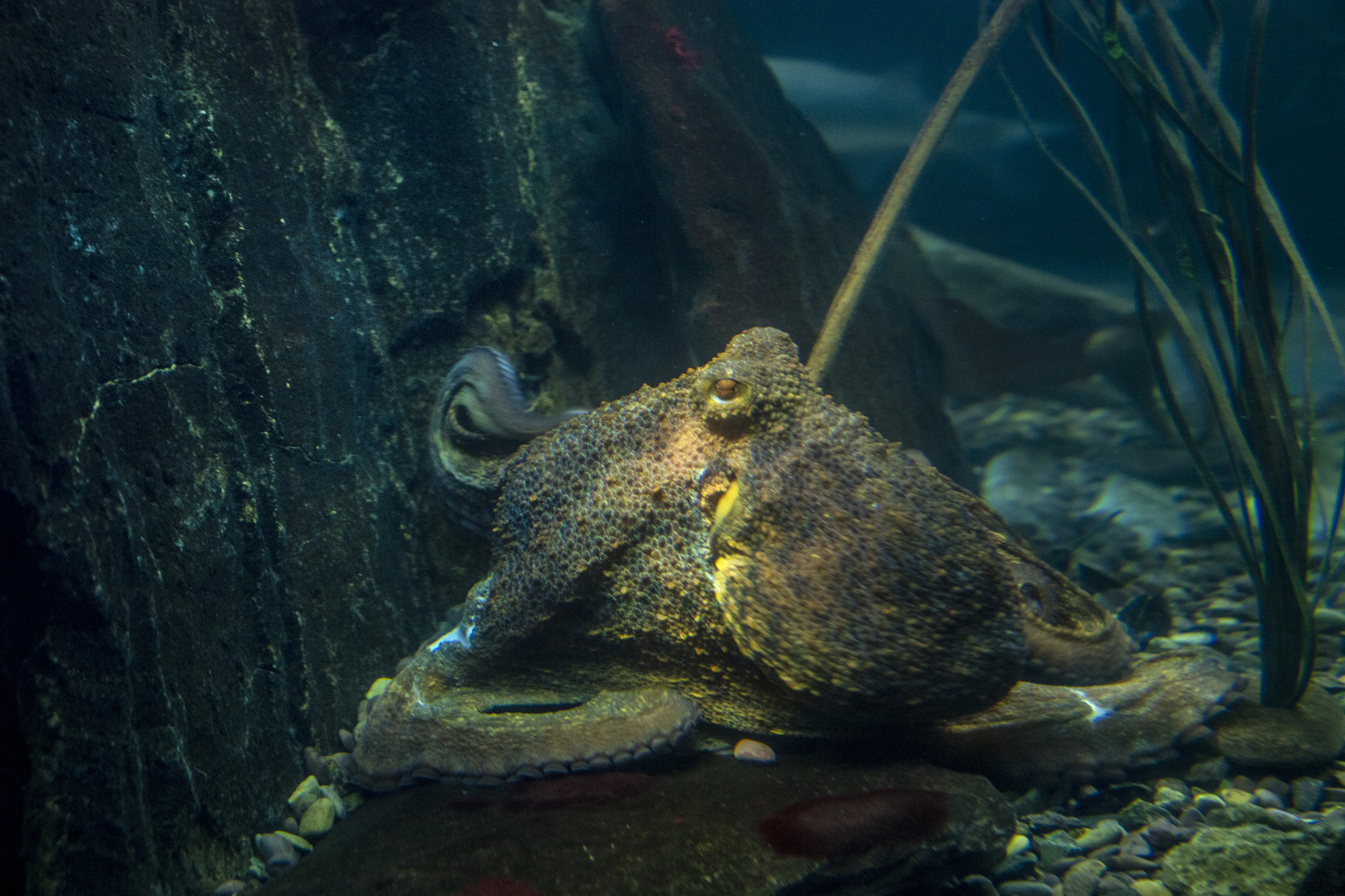
Mediterranean octopuses migrate along the Celtic sea shelf to shores in counties Cork and Kerry
'Finding-Dory' style octopuses wash up in Goleen and Sneem

Octopuses are normally found in the waters around the Mediterranean but are among a string of warm water creatures like anchovies making unprecedented northward migrations into Irish waters in recent weeks. Picture: Domnick Walsh © Eye Focus LTD

Finding Dory-style octopuses have arrived in Ireland — and are snacking on their favourite lobster dishes just metres from shore.

The highly intelligent creatures propelled to fame in the Pixar movie have stunned Irish fishermen in recent weeks by popping up in their lobster pots.

They are normally found in the waters around the Mediterranean but are among a string of warm water creatures like anchovies making unprecedented northward migrations into Irish waters in recent weeks.

One of the newly arrived octopuses, who is now resident at Dingle Oceanworld, has been called Fab Vinny after fisherman Vincent Regan who found him alive in his lobster pot in Goleen Harbour in recent days.

“They are a Mediterranean octopus,” said the director of Dingle Oceanworld Kevin Flannery. “They are quite large — they can grow to 20 kilos.

“I had only ever recorded one before in 2005 and now there are four of them in recent weeks."

Irish fishermen would never have seen them and now all of a sudden they have arrived much like the anchovies a few weeks ago.

“They were three of them up around Sneem around Kenmare Bay and then this other live one was caught in Goleen Harbour in Schull.

“They would have moved here crawling across the Celtic sea shelf.

“There is a definite sign of a northwards movement of species, due to global warming and changes in the ocean pattern or whatever is going on.

“Just last week 100 west miles off here we got a Moray Eel which would normally be way down off the coast of Spain.” 

The remarkable creatures with multiple hearts have been known to open jars to obtain food.

Kevin Flannery said the octopus is one of four who have been reported to him in recent weeks.

“This guy came up alive in a lobster pot and I transported him back to Dingle.

“When he spreads himself out it’s just ‘wow’. He is about three feet.

“I decided to call him Fab Vinnie after Vincent Regan who caught him.

Octopuses like those protrayed in Walt Disney Pictures' Finding Dory have arrived on the south west coast of Ireland.

“They are very inquisitive. They are regarded as one of the most intelligent creatures in the sea.

“They watch you. When they are angry, they are bright red and when they are calm and passive, they are white.

“They can take crab out of the jar once they see how this is done.

“They can travel from one tank to another tank to get fish. They do need something to keep them interactive all the time like a toy or a bell.

“We have a specialised tank and rocks and places for him to hide.” 

He said the large octopuses could be a major threat to the country’s lobster fishery.

“They are about 10 times the size of common Irish octopus and while our octopus have one set of suckers these octopus have two sets.

“They are getting them in the lobster pots here. They annihilate lobsters.

“They pull the lobster against the pots so they can smother them. Then they have a beak and behind that they have a venom sack, and they anaesthetise the prey and eat it.

“Fishermen are going to start to realise when they see the eaten lobster in their pots. These guys would have gone in and killed them and left the shell.

“It’s a la carte dining for Spanish octopus.” 

He said the octopus will thrive here on their favourite dish of lobster.

They breed very fast. This could be a serious issue for any crustacean fishery like lobster and crab.

“We have 900 tonnes of lobsters caught every year.

“If these fellas start arriving in big numbers, I think the only thing they can do is to start selling them because there is a huge demand for them in Spain.

“You see them in the market, in all the restaurants. They are called Pulpo.” 

Although they are found quite close to shore, he said they are not dangerous to swimmers.

“They just leave a cloud of ink and take off away from people.

“It is very seldom people see them because they are the ultimate in camouflage.

“This is now what is happening in our waters. This is the new species that are going to be here in the future.”

More in this section

Lunchtime News

Newsletter

Keep up with stories of the day with our lunchtime news wrap and important breaking news alerts.

Cookie Policy Privacy Policy Brand Safety FAQ Help Contact Us Terms and Conditions

© Examiner Echo Group Limited