‘It would be nice not to be villainised for once’: Investigation finds no other headless seals in Kerry
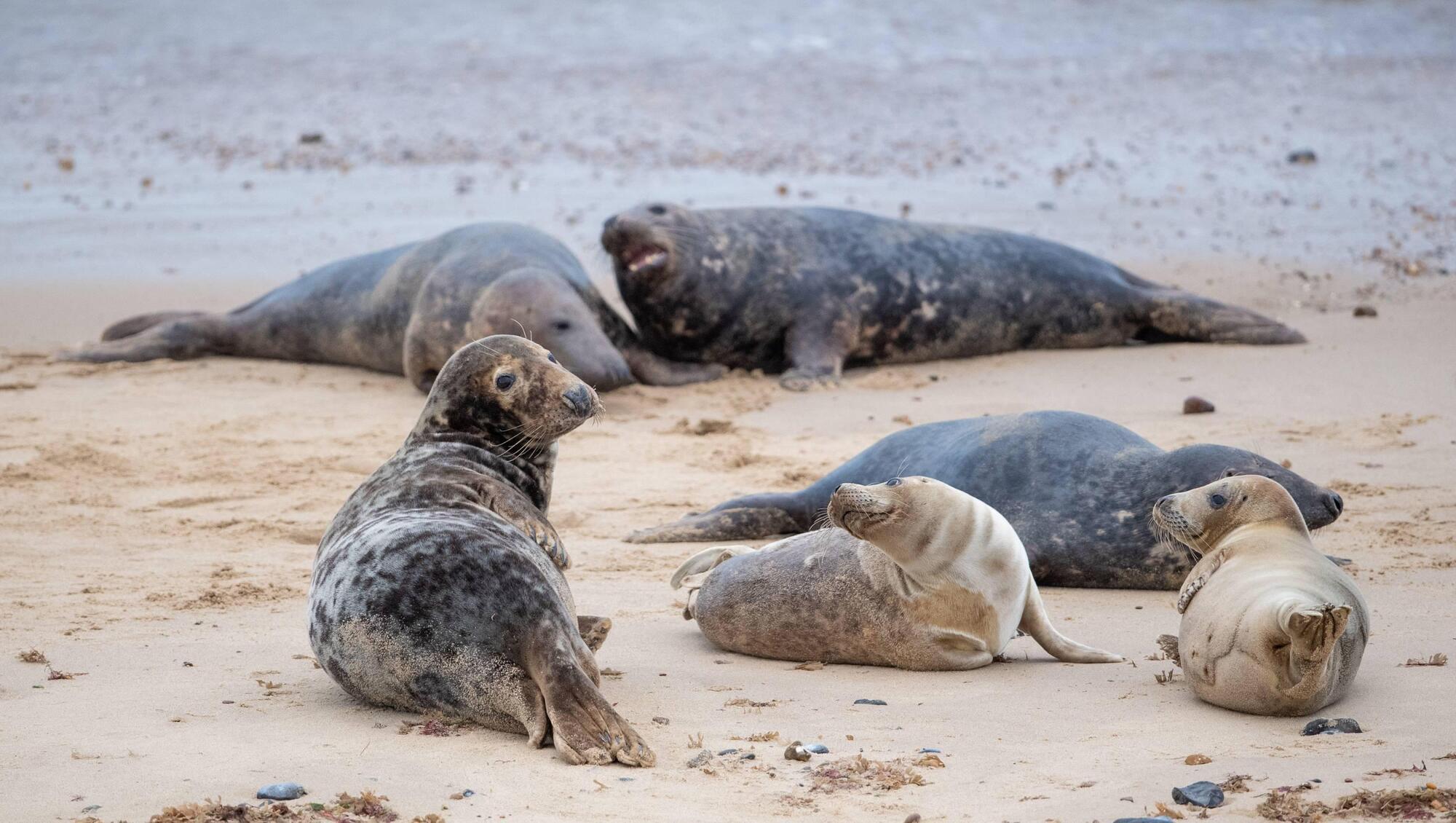
Headless seals have washed ashore in Kerry. Picture: Joe Giddens/PA Wire
An inshore fisherman from Co Kerry has said the recent reports of dead seals has brought unfair speculation.
Liam Flannery, 30, from Dingle, Co Kerry said the reports of dead seals washing up onshore this week has caused people to vilify fishermen.
“I can’t understand why the media are villanising fishermen for every time a dead seal washes up,” said Mr Flannery.
This week a caller on Radio Kerry reported the headless seals on her walks at the beach.
Speaking to Jerry O'Sullivan on Kerry Today, Niamh Stephenson, who lives in the area, said the discovery was "pretty disturbing" and wanted to raise the issue.
"From what I could see the heads of the seals seem to have been removed," she said.
An investigation by the National Parks & Wildlife Service (NPWS) has found no further seal carcasses in Kerry after reports of two headless seals were washed up on Banna beach.
The search carried out by investigators along beaches and other coastal sites in western and northern parts of the county found no further dead seals.
No cause of death has been given by investigators for the two dead seals however the NPWS said an increase in natural seal mortality at winter is not out of the ordinary.
“While not being able to determine the actual cause of death in these instances it is not uncommon for an increase in natural seal mortality to occur at this particular time of the year and for carcasses to be washed ashore,” a spokesperson for the NPWS said.
Mr Flannery scorned speculation that fishermen could be responsible for the recent deaths as fishermen in Kerry can no longer search for white fish. He said the increased population of common and grey seals has caused fishermen to target shellfish instead due to their nets and catches being destroyed.
“Common sense goes a long way. We can’t be killing them all because we don’t be out a lot of the time now. Dead seals in Dingle, all we do is fish pots, how can we get a seal in a pot it just makes no sense,” said Mr Flannery.
Mr Flannery said the population of seals has grown so rapidly in recent years that fishermen can no longer fish in different areas of the coast. He said before fishermen could move to different stations and not bother with the seals however this is no longer possible due to the population size.
Fishermen in Kerry claim the growth of the seal colonies has caused much disruption to the industry, especially the grey seal, and that the matter is getting out of hand. Calls for a cull were made earlier this year by fishing crews in the county.
Mr Flannery does not think a cull is the sole response necessary but does want greater research made public about the population levels of the seals and a plan to be devised for the future.
“I won’t say a cull because that just sounds barbaric. We need a plan put in place if there is ‘X’ amount of seals there, what is a healthy sustainable population for them to keep growing and not affect everything around [them].
“Things will get destroyed if they keep going the way they are going. The seals have no natural predators in Irish waters. The islanders were the predators long ago and that’s when the culls used to happen. Now they’re stopped and you’re just letting it go mad,” said Mr Flannery.
Seals are protected in Ireland under the Irish Wildlife Act, 1976 and The EU’s Marine Mammal Protection Act, 1972.
The last reported census of seal populations in Ireland was published in 2012. There are currently an estimated 8,000-10,000 grey seals and about 5,000 harbour seals in Ireland.
CONNECT WITH US TODAY



Be the first to know the latest news and updates