The forgotten story of Cork's hunger strikers is to be told for the first time
The forgotten century-old story of the survivors of a 94-day hunger strike in Cork Prison, which helped put Ireland on the road to independence, is set to be told for the first time.
Details were announced today - the centenary of the start of the 1920 Cork Prison hunger strike - of a new book on the nine survivors.
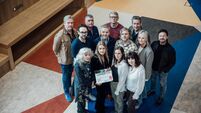
Local historian, Conor Kenny, hopes his new book, written with the assistance of his cousin, Clare Cronin, whose grandfather Joe Kenny, was among the survivors, shines a light on their campaign and courage.
“They were just ordinary men who did extraordinary things,” he said.
More than 60 Republican prisoners who were being held by the British in the prison at Gaol Cross - most held without trial - went on hunger strike on August 11, 1920, demanding to be released.

They were joined the following day by Lord Mayor Terence MacSwiney, following his arrest at City Hall.
Ten days into the hunger strike, all but 11 were dispersed to British-run jails in Ireland and England, including MacSwiney, who was sent to Brixton Prison.
Michael Fitzgerald died in Cork Prison on October 17 after 67 days without food. Joseph Murphy died in Cork Prison on October 25 after 76 days without food.
The same day, MacSwiney died in Brixton. His death made headlines around the world and focused global attention on Ireland's struggle for independence.
Nine others continued refusing food in Cork Prison until November 11.
Mr Kenny said: “They were humble men. They never spoke about it. After the hunger strike, they just got on with life - no complaints but plenty of ailments - a lot of them died young. We are just thrilled that their stories will be written down.”
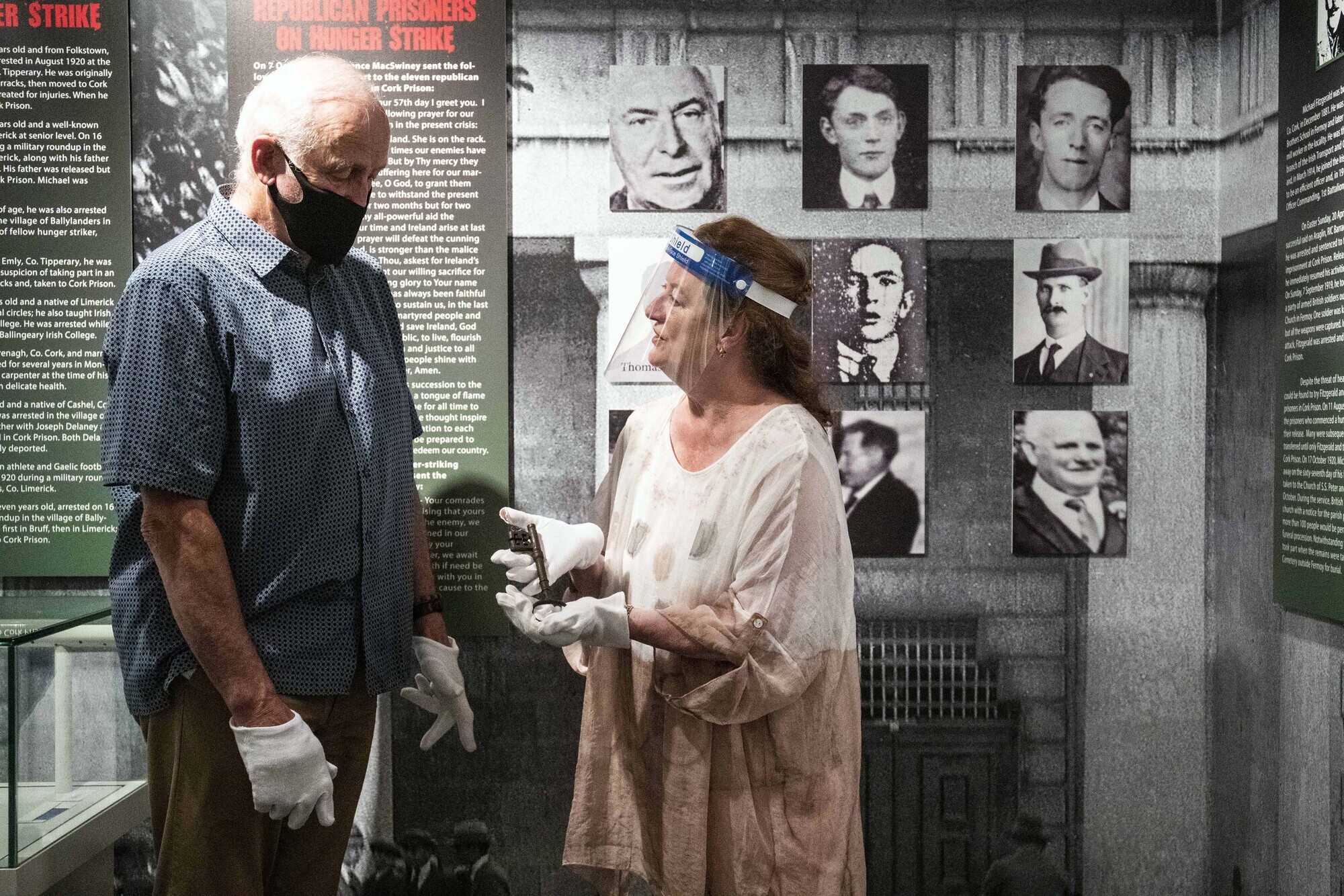
The book was announced at the unveiled of a new exhibition, 'Enduring the Most', at Cork Public Museum which tells the story of Tomás MacCurtain and Terence MacSwiney, the city’s first two Republican Lord Mayors, focusing on aspects of their lives, achievements and deaths against the backdrop of a country at war and a city in turmoil.
Its exhibits include personal possessions, original images and documents, MacSwiney’s death mask and its storage box, which were reunited last year for the first time in decades, which combined to bring that period to life and highlights the impact and legacy of 1920 on Cork and its citizens.
It is hoped that the exhibition, which also tells the story of the city's third Lord Mayor of 1920, Donal Óg O'Callaghan, will open to the public in early September and will run into early 2021.
Museum curator, Dan Breen, said he hopes the exhibition captures the significance of the sacrifice of all involved in the struggle for independence.

The city council’s director of services, Paul Moynihan, said despite Covid-19's disruption to the council's programme of commemorative events, the council will “do justice to the memories of those at the centre of the centenary story” within the constraints of public health guidance.
The exhibition ‘Cork 1920 - The Burning of a City’ continues in St Peter’s, North Main Street until December 31.
CONNECT WITH US TODAY



Be the first to know the latest news and updates