Boy settles for €7.5m over circumstances of his birth at CUMH
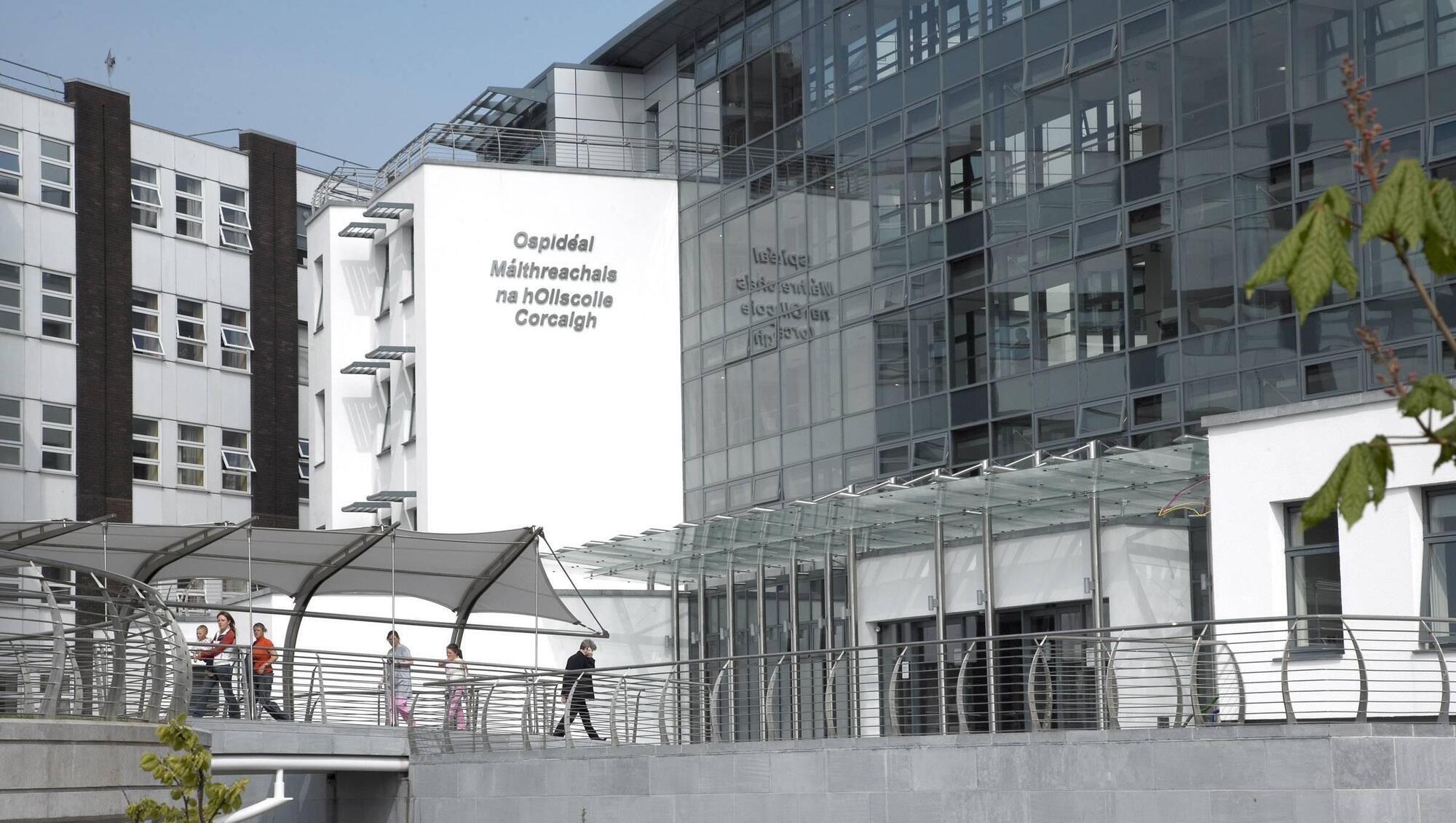
It was claimed that the baby was caused to have an allegedly extremely traumatic labour lasting almost eight hours at Cork University Maternity Hospital before instrumental delivery where he suffered a shoulder dystocia. File picture
An eight-year old boy who sued over the circumstances of his birth at Cork University Maternity Hospital has settled a High Court action for €7.5m.
The settlement to Alex Marcio Hunka Riberio who now lives in the Czech Republic is against the HSE. The settlement which occurred after talks between the sides is without an admission of liability.
The boy’s counsel, Liam Reidy SC instructed by Cantillons Solicitors, told the court it was their case that from the very moment that Alex’s mother went into the Cork hospital to the moment she left, she did not meet with a consultant obstetrician.
Counsel said at a very early stage it was realised the baby’s mother had gestational diabetes and her pregnancy was regarded as high risk due to a high BMI and other matters. The CUMH protocol, he said, in a high-risk case lays down certain things that should be put in place, including a clear delivery plan.
Counsel said it was their case that “all were broken in this case”. Counsel said there was no consultant obstetrician and no birth plan. Alex, he said, was a large baby.
He said during the birth in August 2018, the baby‘s shoulder became lodged and it was claimed that the baby suffered a fracture to the right shoulder area during a forceps delivery.
It is claimed that the baby suffered an acute hypoxic ischaemic episode during the delivery and was in a very poor condition when born and he required urgent resuscitation. Mr Reidy said the boy’s first breath was at four minutes after his birth.
Counsel said there was a major issue in the case in relation to the alleged hypoxic ischaemic episode and experts on the boy’s side would say that the boy’s neurodevelopmental issues were caused by an alleged brain injury.
Alex had through his mother Magdalena Hunkova sued the HSE.
It was claimed that the baby was caused to have an allegedly extremely traumatic labour lasting almost eight hours before instrumental delivery where he suffered a shoulder dystocia.
It was claimed that the baby suffered neonatal encephalopathy which his side contended occurred over a short period of time immediately prior to delivery.
His side also contended that the boy’s neurodevelopmental difficulty, and neurobehavioral and neurocognitive difficulties were allegedly as a result of perinatal hypoxic ischaemic encephalopathy.
In the proceedings, it was claimed there was an alleged failure to put in place an agreed management plan for delivery of the baby which should and would have included the option of delivery by caesarean section.
It was also claimed there was an alleged failure to consider or recommend delivery by caesarean section to the mother who had poorly controlled diabetes, an increased BMI and a recognised large baby.
It was also contended there was an alleged failure to provide the mother with adequate informed advice to enable informed maternal choice in the method of delivery of her baby.
All of the claims were denied and the HSE contended that the care provided to the mother during the antenatal period of the pregnancy was of a reasonable standard.
Ms Justice Denise Brett said she had no hesitation in approving the settlement. The judge noted it was quite a complex case and she now hoped the settlement will bring Alex a better quality of life.


CONNECT WITH US TODAY



Be the first to know the latest news and updates