Two thirds of garda divisions yet to set up teams to support domestic abuse victims
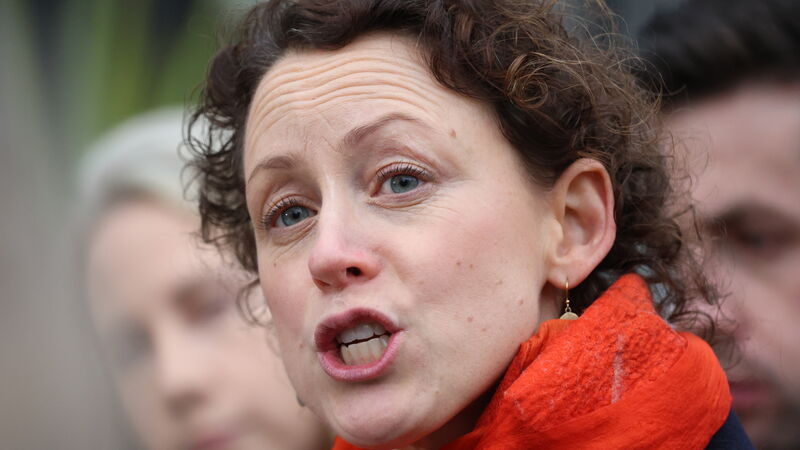
Labour TD Marie Sherlock said it is 'shocking' that there is only one garda domestic abuse co-ordination team outside of the Dublin region — in Dundalk. File picture: Stephen Collins/ Collins Photos
Just a third of garda divisions have specialist teams to maintain contacts with victims of domestic abuse, according to the latest figures from the Department of Justice.
Labour TD Marie Sherlock said it is “shocking” that there is only one garda domestic abuse co-ordination team outside of the Dublin region — in Dundalk. There is one currently being established in Wexford. There are currently 13 in the Dublin area.
Read More
The teams are being set up to examine cases where there is a recidivist element of domestic abuse, or where domestic abuse is indicated as a motivating factor in a recorded incident.
In cases where it is deemed necessary, case managers are appointed to maintain additional contact with the alleged victim or victims, while advice is also provided in relation to the supports available, including domestic violence orders.
When the teams were being established in Dublin two years ago, the then-minister for justice Helen McEntee said the gardaí on those teams “are members that take on additional roles in support of victims and have demonstrated particular skills that provide additional support to victims of domestic abuse”.
In correspondence sent to Ms Sherlock in response to a parliamentary question, justice minister Jim O’Callaghan said: “I am advised by An Garda Síochána that the only Domestic Abuse Co-ordination Team (DACT) in the North-Western Region is in the Louth/Cavan/Monaghan Division, in Dundalk.
"I am further advised that Wexford North Community Engagement has established DACT training and is in the process of creating a team.”
He added: "In the Limerick Division, there is a similar operation called ‘Sabhailte’ which collates and monitors all data in relation to domestic violence victims, whilst also trying to provide information and support to victims in a confidential manner.”
He said there is a protective services unit in each garda division, along with domestic abuse liaison sergeants and gardaí “in each division who co-ordinate engagement with victims of domestic abuse”.
Ms Sherlock said there is “a real concern about inconsistent policing across the country” in relation to domestic violence. She said the low level of domestic abuse co-ordinator teams across the country “is shocking”.
Just seven of the country’s 21 garda divisions have such teams in place, she pointed out.
Sarah Benson, executive director of Women’s Aid, said the domestic violence co-ordination teams in Dublin have acted as a model “for quite some time and then the decision was made to roll them out”.
She continued: “They are very different in model to the protective services units. They are like serving members who volunteer to take on this role.
She added, however: “If they are going to roll these out nationally, there is an opportunity for a really consistent comprehensive training so that all of the people who participate as part of those co-ordination teams have the same level of input, knowledge and particularly knowledge and awareness of the dynamics of coercive control.”
Ms Benson said the teams need to be more that just “information-based”, adding: “It is really important that they understand the dynamics and the impacts of domestic violence and abuse.”
The Irish Examiner recently reported that a special unit has been set up within Fiosrú, the policing ombudsman office, to investigate complaints about the garda handling of domestic violence cases and to investigate any claims of domestic abuse made against serving gardaí.
CONNECT WITH US TODAY



Be the first to know the latest news and updates