Pregnant teen can be given treatment despite religious objection to blood transfusion
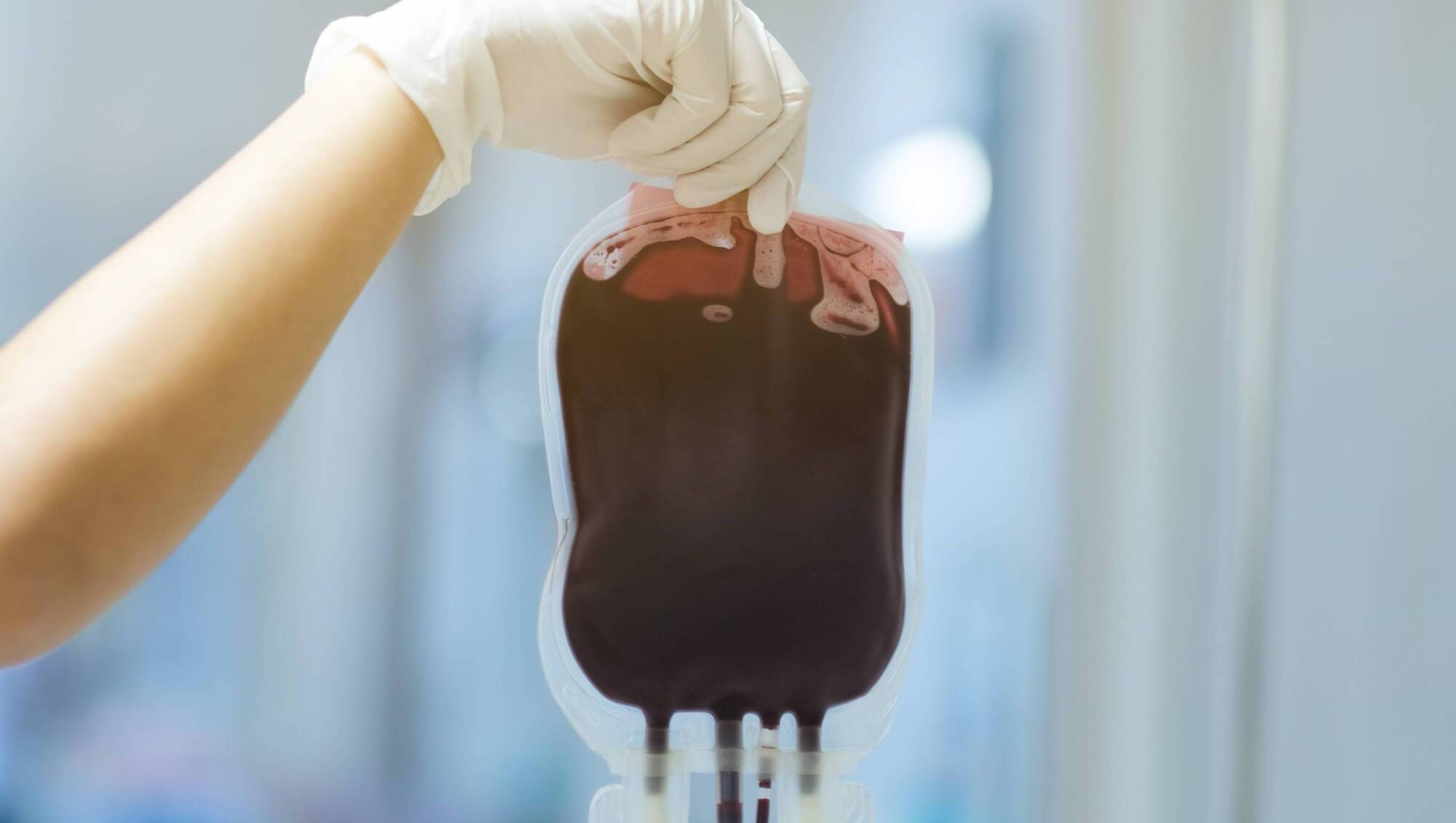
Her gynaecologist was of the view that the transfusion would only be used as a last resort when all other possible treatments were excluded. Stock picture
The High Court has found all appropriate medical treatment can be given to a 16-year-old girl who was at an advanced stage of pregnancy and told doctors she did not want to receive blood transfusions for religious reasons.
The order was made by Mr Justice Mark Heslin last month after the HSE applied to court in circumstances where the girl was supported in her decision by her Jehovah's Witness parents and where it was required in case a transfusion was considered to be in her best interests.
The judge's verbal, or ex tempore, judgment was published on Thursday.
Her gynaecologist was of the view that the transfusion would only be used as a last resort when all other possible treatments were excluded.
Where it is a minor's first pregnancy, she is more likely to have prolonged labour, perineal trauma, or a retained placenta, all of which create an increased risk of haemorrhage, she said.
Adolescent pregnancies are also associated with higher risk of complications such as anaemia and hypertensive disorders with an associated increased risk of postpartum haemorrhage.
A time-critical life-threatening emergency can occur suddenly and progress rapidly, leading to acute loss of circulating blood and reduced oxygen delivery to vital organs requiring intensive intervention, she said.
The girl appeared to understand the nature and purpose of a blood transfusion and the consequences of not receiving one, where it is required. In the doctor's opinion, the child's "judgment is clouded by her religious beliefs such that she is unable to truly weigh the information provided to make a valid decision".
The child's decision-making "may be influenced by an overly simplistic view of the practicality of alternatives, including cell salvage which are by no means guaranteed to be available, and if so, adequate to prevent her death or serious injury in the event of a massive haemorrhage", the doctor said.
Her court-appointed guardian, in a report for the judge, said the girl was "not strongly into her religion at the moment" and had chosen not to be baptised at this stage.
She feels her religion stands by her, but the blood transfusion was one aspect of her religion that "she has always had a strong view about and generally within the religion it is a core principle", the guardian said.
The girl also told the guardian that if the decision was taken out of her hands, it would be easier, but she would still feel guilty about it. She said it would not feel right in her body but someone else making the decision would be easier.
She did not take the same view in relation to a blood transfusion for her unborn baby and was satisfied for her baby to receive blood if necessary.
Mr Justice Heslin said it was plain that there are a number of constitutionally protected rights at play in the situation, including the right to profess religion, the right to bodily integrity, the right of equal access to necessary care, the right to life, family rights, and the rights of the child.
He said he was giving due weight to the views expressed by the minor and doing so because she is plainly over the age of 16 and, as such, is a maturing adolescent who is approaching adulthood.
There was medical evidence which casts doubt on her capacity to make the decision to refuse treatment and an inability to weigh up information "robs" some of functional capacity to make a decision, he said.
Her statement that it would be easier if the decision was taken out of her hands meant the judge was entitled to infer from the evidence that, were this to happen, it would ease a burden which was oppressing her.
He took the view that the treatment in question was manifestly in her best interests.
He was satisfied that the making of the orders sought by the HSE represents the appropriate outcome of a careful balancing of various, and sometimes competing, constitutionally protected rights.
"To look at it otherwise, a refusal by this court to permit a blood transfusion in the event that one was clinically necessary as a last resort would constitute a clear failure to vindicate this minor’s right to bodily integrity and right to life", he said.
The judge adjourned an application to place the child in wardship (under the protection of the court) to a future date.


CONNECT WITH US TODAY



Be the first to know the latest news and updates