Drug possession health diversion scheme is 'not yet finalised'
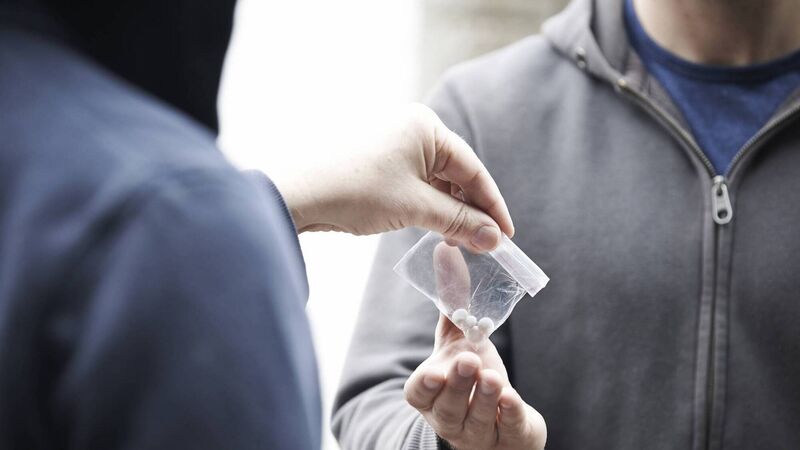
People caught in possession of drugs for personal use will 'automatically' be referred to health services if they accept their offence under the health diversion scheme. Picture: iStock
People caught in possession of drugs for personal use by gardaí will “automatically” be referred to health services if they accept their offence under a long-awaited scheme, an Oireachtas committee has heard.
However, a lack of clarity still surrounds the health diversion scheme, specifically what will happen if a person is caught a second time.
The Oireachtas committee on drug use heard that, as it stands, local garda bosses would examine all the circumstances for second offences and could direct a prosecution.
The committee also heard further details of a garda crackdown on drug-related intimidation, with almost 350 charges brought in 2025 against perpetrators.
The health diversion scheme — which became government policy in August 2019 — failed to be implemented, in part due to legal complexities.
Now, the scheme is due to begin on an “administrative basis”, rather than operating under new laws, and will run as a pilot for 12 months and then be evaluated.
Read More
The original programme envisaged a system where a person caught a second time could be referred to a health intervention again, or given an adult caution — but it would be down to the discretion of the gardaí.
The Oireachtas committee heard on Thursday that “outstanding legal and operational arrangements” are currently being finalised.
Rachel Woods, assistant secretary at the Department of Justice, told the committee she anticipates the scheme will start “in the early part of this year”.
She stressed that possession of drugs for personal use would “remain illegal”.
In response to questions from Independent senator Lynn Ruane, Garda Assistant Commissioner Angela Willis said referral to health services “will be automatic” on the first occasion — as long as the person accepts they have drugs and want to be diverted.
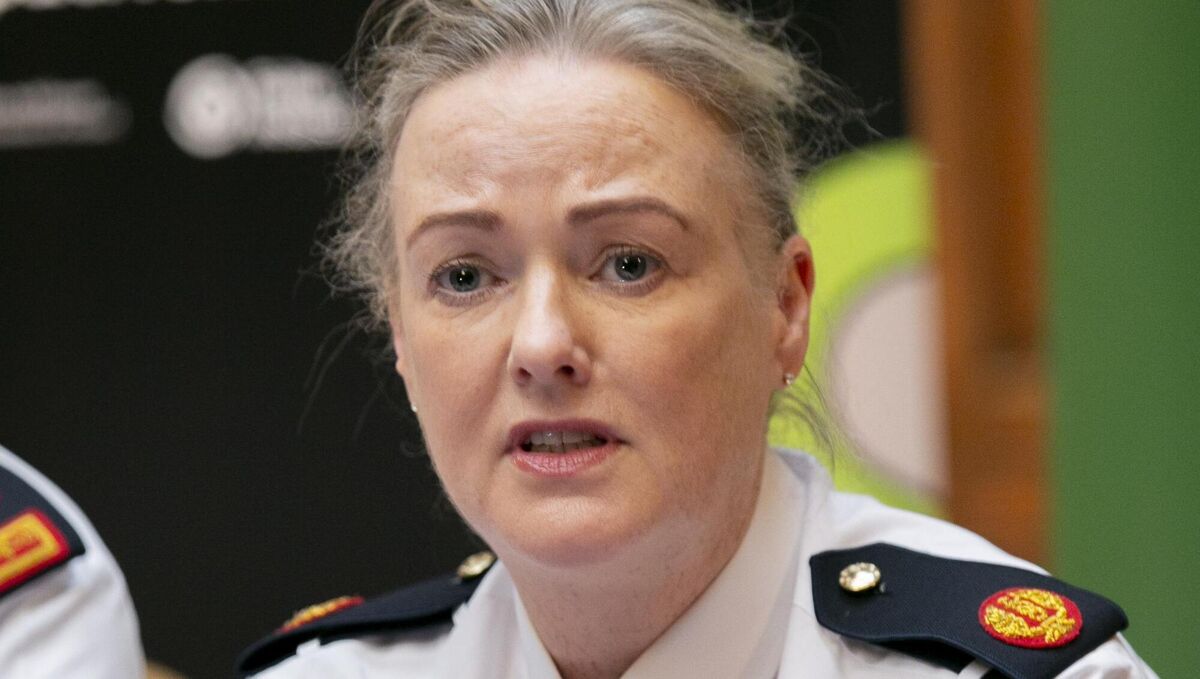
The assistant commissioner, head of organised and serious crime, said: “It’s not a discretionary piece.
She told Ms Ruane that how gardaí respond to second incidents “will depend on the individual circumstances” and said the policy is “not yet finalised”.
Ms Ruane said this is “not a health-led approach” but is “still a police-led response”.
Detective Chief Superintendent Seamus Boland of the Garda National Drugs and Organised Crime Bureau said the “most visible” form of drug dealing, which was “impacting on local communities”, is street-level dealing.
He said local dealers often carry small amounts of drugs on them, which could be insufficient to secure a conviction in the courts for supply but could secure a conviction for possession for personal use.
He said Section 3 (possession) of the Misuse of Drugs Act is “extremely important” for gardaí in order to have a legal offence to use against such dealers: “If Section 3 is removed and [possession] becomes legal, every drug dealer will be carrying drug possession amounts.”
Committee chairperson and Social Democrats TD Gary Gannon criticised the draft national drugs strategy, pointing out, as reported in the Irish Examiner this month, that poverty is not mentioned in it.
- Cormac O’Keeffe, Security Correspondent
CONNECT WITH US TODAY



Be the first to know the latest news and updates