Irish drug dealers tracked across three countries by Europol before arrest
Irish drug dealers were kept under surveillance across three countries in Europe as they sourced their drugs and travelled back home, where they were arrested by elite garda units.
The operation was part of an exercise organised by Europol, the EU police agency, combining surveillance and intervention in targeting drug traffickers and hybrid threat suspects.
The exercise, entitled ‘Allies 2026’, involved Irish surveillance teams and specialist intervention units.
In a statement Europol said the exercise comprised two parallel scenarios.
“One started in Ireland - code-named ‘Operation Shamrock’ - and the other in Belgium - code-named ‘Operation Cargill’,” it said.
“The participants’ objectives for the exercise were to successfully conduct multinational cross-border surveillance of multiple objectives/targets - referred to as ‘tangos’ - across Europe. One crucial aspect was the swift handover from surveillance to intervention, ultimately resulting in the arrest of the targets.”
In relation to Operation Shamrock, the EU police agency said: “This scenario focused on tracking individuals travelling from Ireland to the Netherlands to purchase drugs using cryptocurrency.
“Surveillance teams monitored their movements between the Netherlands, France, and Ireland.”
It said the targets flew to Amsterdam, where they met with drug traffickers, all while being followed by surveillance teams.
“They spent a night in Rotterdam, then drove to France with a car containing the drugs, stopping in the French towns of Amiens and Rouen. They subsequently travelled from Cherbourg, France, to Dublin by ferry.
“Upon arrival, an Irish surveillance team followed them to a warehouse, where the special intervention unit arrested them.”
Detailing the Belgian exercise, Operation Cargill, Europol said: “This scenario targeted individuals suspected of planning coordinated attacks on critical infrastructure across several countries. The operation involved surveillance and tracking of these individuals as they moved across borders and prepared for their planned attacks.”
It said the targets travelled between Belgium, Luxembourg, the Netherlands, Germany, Austria, and Romania, meeting with contacts and preparing for their actions.
“The operation aimed to prevent attacks on power stations, an oil port, and a wind farm. It involved close cross-border cooperation and information exchange among the participating networks and law enforcement agencies, ultimately leading to the tangos’ arrests.”
Europol said the exercise was designed to enhance cross-border cooperation and interoperability among European law enforcement authorities.
“Simulating intersecting scenarios unfolding across several European countries, this exercise tested the participants’ ability to effectively fight drug trafficking and hybrid threats,” it said.
“'Allies 2026’ brought together surveillance, in-flight security, and special intervention units from 12 EU Member States, who were challenged with ever-evolving real-life scenarios. With every development and location change, the participants had to keep each other informed, hand over and pick up where others left off.”
The Europol statement said three expert networks worked together throughout the exercise.
The first is the ATLAS Network, which is a cooperation framework for special intervention units (SIU) fighting terrorism and serious and organised crime in Europe.
ATLAS is composed of 38 SIUs from all 27 EU Member States as well as Iceland, Norway, Switzerland, and the UK.
The second network is the European Surveillance Group, a European Commission–funded law enforcement network dedicated to advancing covert surveillance capabilities and providing expert tactical and strategic support to its partners.
“Through workshops, specialised training, and joint exercises, ESG strengthens cross-border cooperation, promotes common operational standards, and identifies innovative technologies that enhance investigative effectiveness” it said.
“By fostering collaboration and knowledge exchange, ESG supports EU law enforcement authorities in conducting complex criminal investigations that extend beyond national borders.”
The third group is the In-Flight Security Officer Network (EIFS), a European initiative focused on improving in-flight security through cooperation among In-Flight Security Officers (IFSOs), also commonly known as ‘air marshals’.
“The network works through specialised groups on strategy, tactics, equipment, and instruction to improve interoperability and readiness. Its activities include joint exercises, threat analysis, secure communications research and the development of common procedures,” it said.
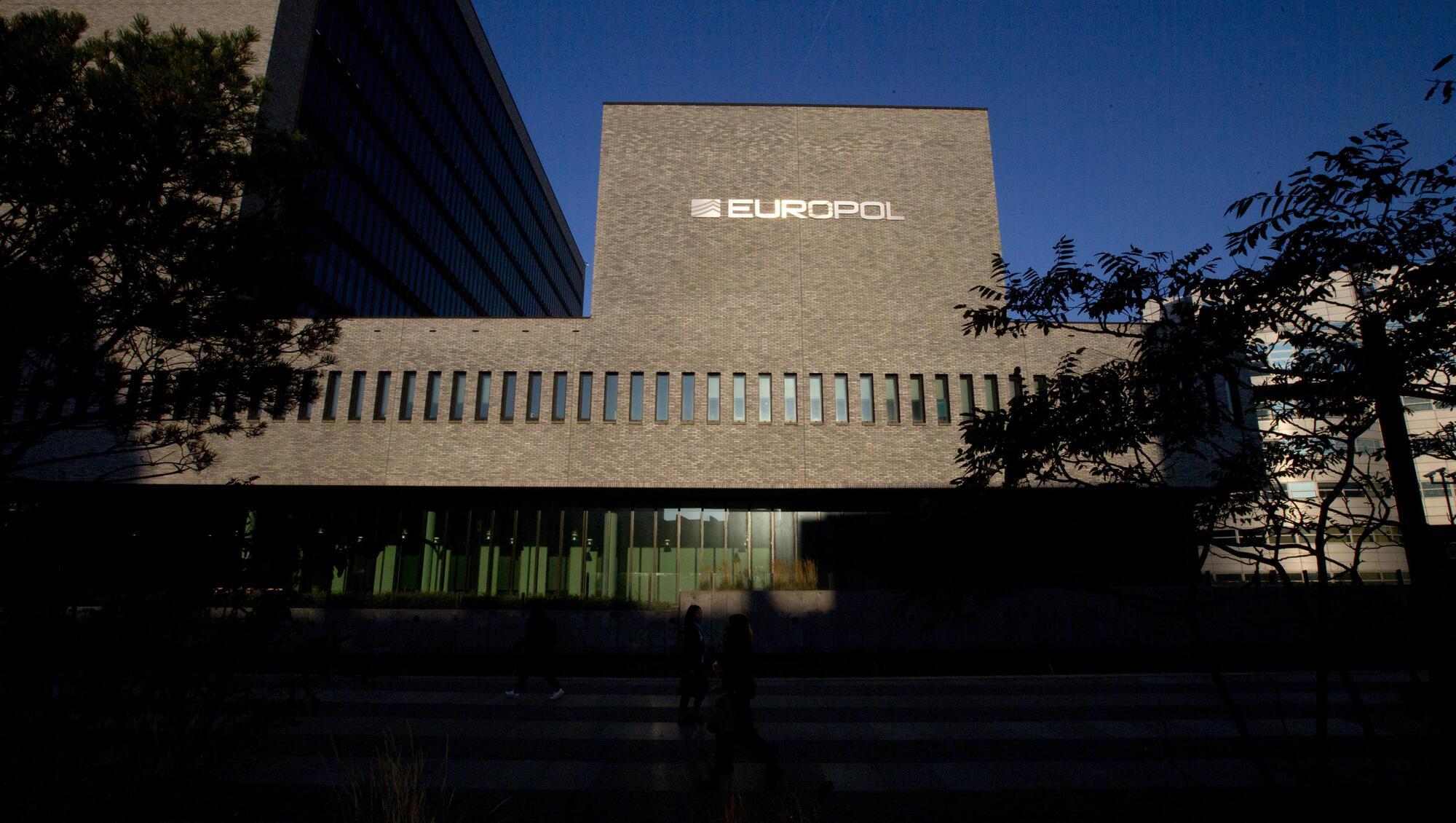
Europol hosted the exercise in a dedicated coordination room set up at its headquarters in The Hague, the Netherlands.
The exercise participants also tested the operational use of the EU-funded tactical communication platform ‘NEOS’, a cutting-edge tool designed to enhance covert surveillance and share real-time operational details.
The participating countries were Austria, Belgium, Czechia, France, Germany, Hungary, Ireland, Luxembourg, Netherlands, Portugal, Romania, Slovakia.
CONNECT WITH US TODAY



Be the first to know the latest news and updates