Tipperary school bus operators convicted of anti-competition offences
The single charge against each accused alleged that between November 1, 2014, and December 31, 2016, they engaged in a concerted practice which had as its object or effect the prevention, restriction or distortion of competition in trade in the provision of school transport services.
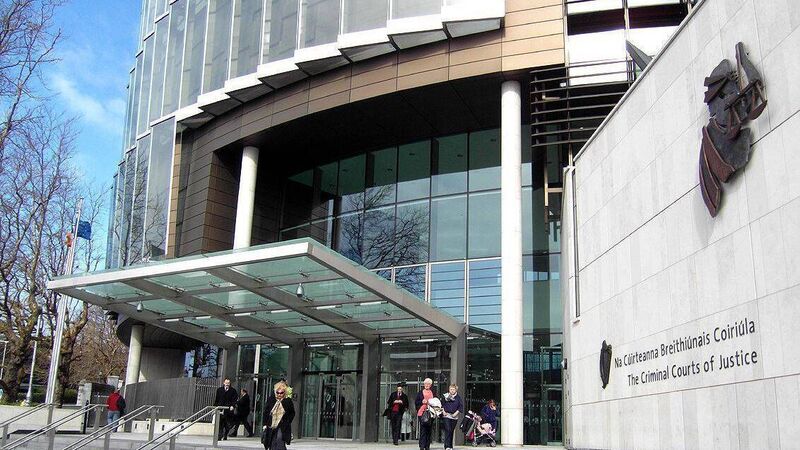
A jury at the Central Criminal Court has unanimously convicted five men of colluding a decade ago to drive tender prices higher in the provision of school bus services across the south-west of the country.
The panel of three women and seven men agreed with the prosecution case that the men had attempted to “load the dice” to distort competition in the market, affecting taxpayers.
Each of the defendants had operated buses or taxi services bringing children to and from school. The trial heard all of the accused were involved in the process of bidding for tenders to provide school bus routes through Bus Éireann, which derived 54% of its turnover from school transport.
The jury heard 10% of school routes were provided directly by Bus Éireann, with 90% serviced by contractors.
The court heard the Department of Education pays Bus Éireann to run the service, with €149m paid by the department and €14m through fee collection from families, making a total budget of €163m in 2015.
Some 114,000 school children are transported each day across 6,000 routes nationally.
The five defendants, who are all from Tipperary, were Raymond Heney, 54, of Camas, Cashel; Andrew Walsh, 62, of Derrymore, Roscrea; Noel Browne, 77, of Bansha; Larry Hickey, 73, of Ardmayle, Cashel, and Anthony Flynn, 51, of Golden Road, Cashel.
Mr Justice David Keane remanded all five on continuing bail ahead of a sentencing hearing on March 23, 2026.
The jury heard Heney would arrange to hold meetings to provide services and assistance in dealing with administrative processes in bidding for tenders. Heney would invite other bus operators, and the prosecution alleged they would then discuss the allocation and pricing of the school bus routes.
It was the prosecution's case the people involved would only bid on tenders in a certain way, rather than doing so independently, with a “degree of coordination” between the parties.
The State argued this concerted practice was not a formal agreement but collusion between the men that involved an exchange of information and a form of coordination that led to “the disappearance of competition”.
Prosecution counsel Dominic McGinn SC said there was an alleged understanding some people would not bid for a route which was to “be for somebody else”.
Counsel said people were alleged to have made bids for routes that they did not intend to get, but gave the impression of a genuine bid, which would result in the lower price submission being elevated.
The single charge against each accused alleged that between November 1, 2014, and December 31, 2016, they engaged in a concerted practice which had as its object or effect the prevention, restriction or distortion of competition in trade in the provision of school transport services. They each pleaded not guilty.