Seven men who conspired to smuggle €59m of cocaine into West Cork get a combined 70 years
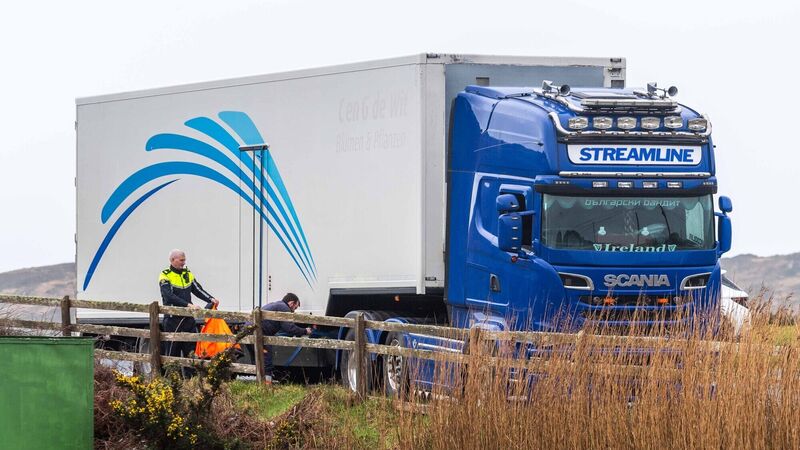
The drug-trafficking operation was intercepted by Irish authorities in West Cork, and 10 men were arrested for conspiracy to import drugs. File picture: Andy Gibson
Seven men who pleaded guilty to involvement in a foiled drug-trafficking plot involving a specially modified narcoboat in West Cork last year have been sentenced to a combined 70 years in prison.
The sophisticated conspiracy involved international criminal cells, including Dutch, Iranian and Spanish nationals, Judge Karen O’Connor said at sentencing at the Special Criminal Court on Thursday.
But the defendants had underestimated the quality of An Garda Síochana and the alertness of the local community in West Cork which noticed suspicious activity and alerted gardaí, Judge O’Connor said.
Although the drugs were not found in Ireland, bales of cocaine did wash up on the Danish coast, which were linked to the defendants through data found on their phones and GPS equipment, the court heard.
The drug smuggling operation involved some 850kg of cocaine worth an estimated €59m, the court heard.
A modified rigid inflatable boat (rib), with equipment painted black to avoid detection and carrying three 300-horsepower engines and large quantities of fuel, set off from West Cork and tried to meet a Panama-flagged ship called the Cool Explorer off the UK coast in March 2024, the State alleged.

That ship, a legitimate cargo vessel carrying legitimate cargo, was also believed to have been carrying at least 850kg of cocaine with a street value of between €58m and €59m, which later washed up on beaches near the Danish town of Sjællands Odde.
The drug-trafficking operation was intercepted by Irish authorities in West Cork, and 10 men were arrested for conspiracy to import drugs. Seven of the 10 men pleaded guilty and were sentenced on Thursday at the Special Criminal Court.
Headline sentences of 18 years for each defendant were reduced by one third due to guilty pleas, dropping their sentences automatically to 12 years. The defendants' sentences were then reduced again depending on whether they had relevant previous convictions and considering individual mitigating factors.
The fact that all defendants were from other countries and would have limited contact with their families and may face language barriers while in jail was considered in mitigation.
Dutch national Kiumaars Ghabiri, aged 53, who had previous drug offences but had suffered tragedy in life, with his parents killed by a bomb in their home in Tehran during the Iran-Iraq war and who had worked menial jobs growing up to support his orphaned siblings before moving to Holland, had a headline sentence of 18 years reduced to 11 years.

Spanish nationals Mario Angel Del Rio Sanz, aged 46, of no fixed address, Angel Serran Padilla, aged 41, of Malaga; and Anuar Rahui Chairi, aged 43, of Marbella, who also had previous convictions, also had headline sentences of 18 years reduced to 11 years.
Pedro Pablo Ojeda Ortega, aged 37, of Cadiz was sentenced to 10 years because he had no drug-related previous convictions and had a history of addiction.
Juan Antonio Gallardo Barroso, aged 56, of no fixed address, had a headline sentence of 18 years reduced to eight. His wife had died of cancer while he was in prison, leaving their 13-year-old daughter, who has medical concerns. He had no previous convictions and was also the oldest of the defendants.
Serbian national Aleksander Milic, aged 28, the youngest of the defendants, also received a final sentence of eight years. He had no previous convictions, and the court received many testimonies from family and friends saying this behaviour was completely out of character.
His family had moved to Serbia following the war in Croatia, and when his father lost his job, he provided for his family financially. He said that debt was the reason he had taken this job.
All sentences were backdated to when the men entered custody on March 14, 2024.
In sentencing, Judge O’Connor said all the defendants had “involved themselves in a serious conspiracy to import controlled drugs into this jurisdiction”. This involved a very serious form of criminality and was a sophisticated operation with significant logistical and financial planning.
This included “visits to the locus by way of reconnaissance as part of preparation for the conspiracy to take advantage of our coastal situation”. But the defendants had underestimated the quality of An Garda Síochana and the alertness of the local community, Judge O’Connor said.
“On a daily basis, our courts see the devastating impact of drugs on our society, their presence fuelled by the worst [..] criminality,” Judge O’Connor said. “The temerity of the co-conspirators, the total lack of respect for citizens in this jurisdiction, is astounding.
“This court is struck by the audacity and brazen nature of the conspiracy, arriving at this quiet coastline assuming they would not be noticed, totally underestimating the diligence, neighbourliness and alertness of people in coastal communities, people who notice suspicious activity taking place on their doorsteps.
“And the co-conspirators completely underestimated the quality of our law enforcement,” Judge O’Connor said.
A significant deterrent must be delivered for this type of offending, both globally and nationally, Judge O’Connor said. Drugs are a scourge that destroy lives, families and communities, she said.
The men were charged with conspiring with one another to import controlled drugs worth more than €13,000 on dates between February 27 and March 14, 2024, both dates inclusive.
Gardaí arrested the men in March last year during operations in the villages of Tragumna and Leap near Skibbereen in West Cork, where an off-road vehicle, camper van, articulated truck, and rigid inflatable boat were seized as part of the suspected drug smuggling operation.