Conor McGregor withdraws bid to introduce new evidence in Nikita Hand assault appeal case
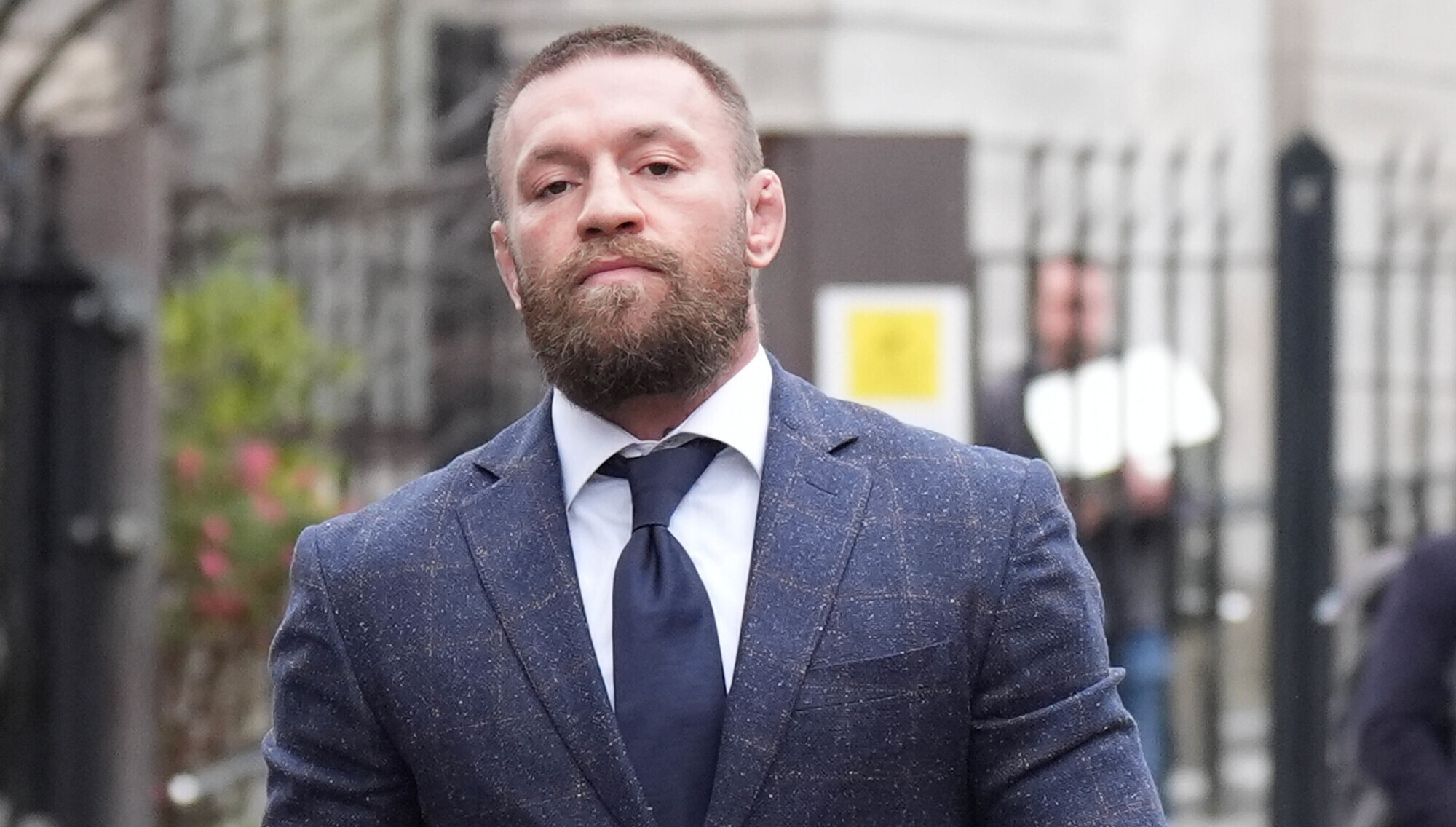
The appeal continues on the remaining grounds, which include the nature of the cross-examination of Conor McGregor during the trial last November. File photo: Niall Carson/PA
Conor McGregor has dramatically withdrawn one of his main grounds of appeal in his civil conviction for the assault of Nikita Hand.
The Court of Appeal heard that Mr McGregor no longer wished to proceed with a motion to introduce fresh evidence regarding the case, as there was no legal authority for doing so.
The fresh evidence related to proposed testimony by former Northern Irish state pathologist Professor Jack Crane, concerning sworn affidavits from Ms Hand's former neighbours — Samantha O'Reilly and Stephen Cummins — who claimed they heard an altercation within Ms Hand's apartment at the time of the disputed incident in December 2018.
Mark Mulholland KC, representing Mr McGregor, said he had an obligation to the court to withdraw this specific ground of appeal as it could not be legally sustained.
The three-judge panel expressed surprise at the late withdrawal of the motion, with Justice Isobel Kennedy noting that the situation was “unsatisfactory.”
Counsel for Ms Hand, John Gordon SC, said he had only been informed of the withdrawal 10 minutes before the appeal hearing was due to begin.
He noted that his client had been “put through the wringer again” and argued that it had been alleged she was a liar—an allegation which, he said, had now been “conceded” by Mr McGregor.
He further argued that Mr McGregor should face a charge of inducing others to commit perjury on his behalf. He added that “an apology would be a start” in making amends to his client.
The judges rose to consider the impact of the withdrawal, and upon returning, concluded there was “no point” in allowing the ground of appeal to proceed when the plaintiff, Mr McGregor, no longer wished to pursue it.
A motion for costs regarding the withdrawal will be made in due course.
The appeal continues on the remaining grounds, which include the nature of the cross-examination of Mr McGregor during the trial last November.
Mr McGregor has argued that the trial judge in his assault case should not have allowed questioning about his silence during garda interviews, saying that doing so was “completely in error.”
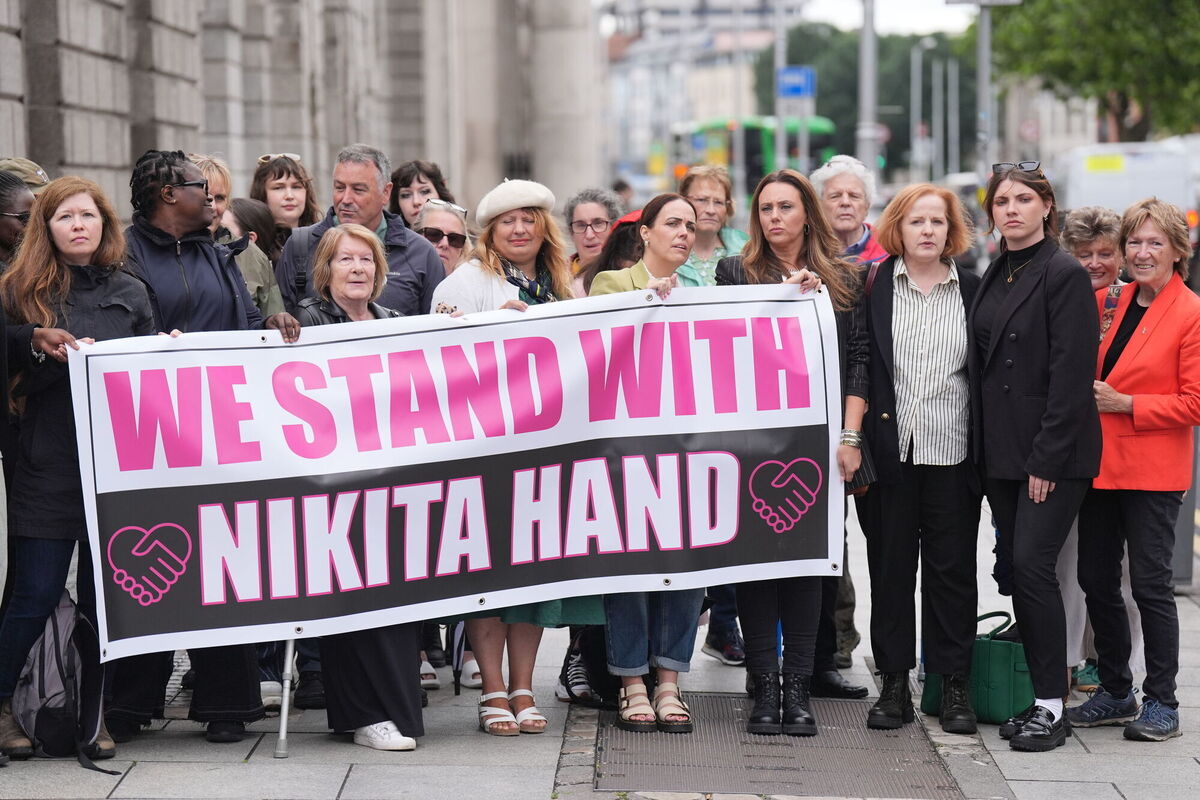
Senior counsel Remy Farrell, representing Mr McGregor, said his client’s repeated responses of “no comment” during Garda questioning appeared to have been “conflated” with statements he made in the witness box last November.
Mr McGregor is appealing his civil conviction for the assault of Nikita Hand at the Beacon Hotel in Dublin in December 2018, which was delivered following a lengthy trial last November.
When first arrested by Gardaí in January 2019, Mr McGregor responded “no comment” more than 100 times during questioning, referring officers instead to a pre-prepared statement.
Addressing the three-judge appeal panel, Mr Farrell said that by admitting references to the “no comment” responses given in custody, High Court Judge Alexander Owens erred by allowing the jury to form an unfairly negative view of Mr McGregor’s candour, when in fact he was exercising his right to remain silent.
Mr Farrell argued that the right not to self-incriminate is a cornerstone of the legal process, and the jury should not have been allowed to draw “any adverse inference” from the silence.
He said counsel for Ms Hand, John Gordon SC, conducted a “lengthy canvassing” of each “no comment” not to prove dishonesty but rather left hanging with the clear idea of having the jury take an adverse opinion from what was said.
He added that the suggestion Mr McGregor may have given misleading evidence “was not even put to him in cross-examination.”
Instead, the jury was “invited to take a view on the credibility of what was said,” Mr Farrell said, comparing the tactic to a jazz aficionado saying, "you need to listen to the notes that aren’t being played.”
This ground of appeal is one of several still under consideration after Mr McGregor dramatically withdrew a motion to introduce fresh evidence just moments before Tuesday’s hearing began.
The withdrawn motion involved claims by neighbours of Ms Hand who allegedly overheard an altercation in her apartment the day after the alleged assault.
Remaining grounds include a claim that the trial issue paper should have referred to “sexual assault” rather than simply “assault,” and concerns about the availability of expert reports during the trial.
Nikita Hand’s lawyers have strongly rebutted suggestions that the nature of the assault case she brought against Conor McGregor was unclear, arguing that such a claim would be “an insult to the intelligence” of the jury.
Ms Hand, who won a civil case last November after a jury ruled she had been assaulted by the former MMA fighter, was responding to grounds for a re-trial outlined by Mr McGregor’s counsel, Remy Farrell SC.
Mr Farrell suggested there was a possibility the jury did not understand the case concerned sexual assault, as this was not specified on the issue paper.
At the Court of Appeal, counsel for Ms Hand, Ray Boland SC, said the judge in the initial trial, Alexander Owens, had repeatedly informed the jury of the specific nature of the assault under scrutiny.
He said that “it couldn’t be clearer” that “what we were talking about was assault by rape. There was no ambiguity whatsoever”.
“It is an insult to the intelligence of the jury to say that they didn’t know what the case was about,” he said.
Mr Boland added that, in discussions about the wording of the issue paper before the trial, Justice Owens insisted that "assault is the word," to which Mr Farrell responded at the time: “Alright, so be it.”
Regarding Mr Farrell’s separate assertion that the jury should not have been told about Mr McGregor’s repeated use of the phrase ‘no comment’ during initial Garda questioning, Mr Boland said the discussion had not been “hugely probative of anything.”
He noted that the judge had clearly explained to the jury that Mr McGregor was within his rights to reply ‘no comment’ and further asserted that McGregor had been only moderately cooperative during questioning by gardaí.
Mr Boland also questioned why, if the ‘no comment’ line of questioning was such a “serious issue,” no application had been made at the time to dismiss the jury.
The hearing is set to resume on Wednesday morning.
CONNECT WITH US TODAY



Be the first to know the latest news and updates