Locked phone of First Dates Ireland star may contain details of issue that led to his death, inquest told
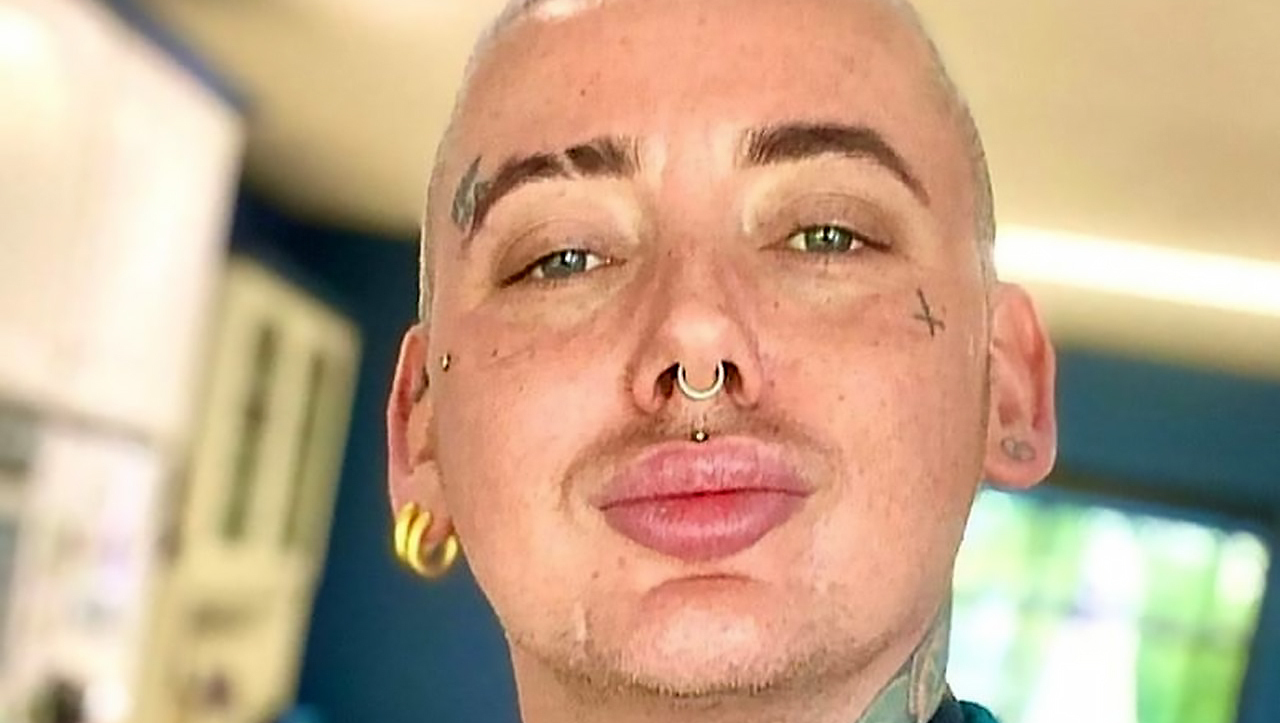
First Dates Ireland star Jordan Dunbar, who died on March 7, 2023. Picture: Collins
A locked mobile phone may contain information about an issue which appeared to upset star and TV presenter Jordan Dunbar just prior to his death in tragic circumstances two years ago, an inquest has heard.
A sitting of Dublin District Coroner’s Court was told there was “a legal impasse” over the ability of gardaí to obtain a warrant to access the phone of the late well-known figure within the Irish LGBTQ+ community.
An inquest into Mr Dunbar’s death heard he had been upset on the morning he tried to take his own life about an alleged threat to burn his house down from a man who he claimed had sexually assaulted him a few months earlier.
Mr Dunbar, 29, of Newgrove Estate, Donaghmede, Dublin, was pronounced dead on March 7, 2023, at Beaumont Hospital, five days after he was found in an unresponsive state at his home.
The Dubliner, who was a qualified hairdresser who worked in a number of salons in Dublin over several years, was one of the first contestants to appear on the popular TV dating show during its first series in 2016.
Mr Dunbar subsequently co-presented the RTÉ series in 2019, in which he was chosen as one of four “fairy godmothers” who shared their experiences about facing challenges in life with young people going through their own personal difficulties.
One of Mr Dunbar’s closest friends, Leeanne Nolan, told the court she had received a call from him at about 6.30am on the day he attempted suicide.
Ms Nolan said Mr Dunbar was upset but she tried to reassure him everything would be fine.
She revealed Mr Dunbar had told her he had been sexually assaulted a few months previously in an incident where he was having casual sex with another man which turned violent.
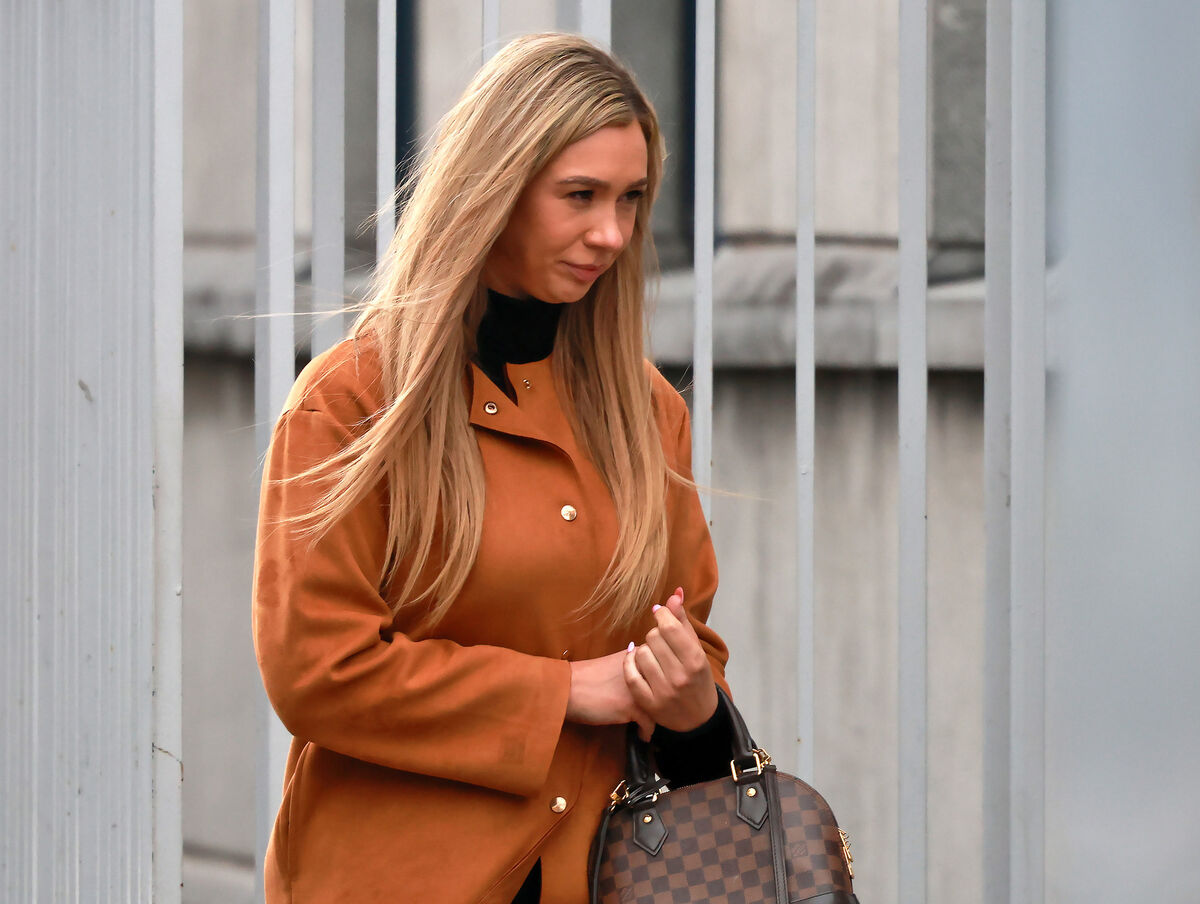
Ms Nolan said this person, whose identity she did not know, had threatened him in case he ever reported the matter.
She told the inquest this seemed to have been playing on Mr Dunbar’s mind that morning.
While Ms Nolan said she was worried about her friend’s mental health, she also noted it was not the first time she had received such calls from him.
However, the inquest heard she alerted emergency services that something could happen at Mr Dunbar’s home, before driving there herself.
Ms Nolan said she and some friends tried to get access to the house but it was locked and they had to wait for a Dublin Fire Brigade crew to break down the door.
She also gave evidence Mr Dunbar had been bullied in school and had a history of self-harm and attempted suicides.
“He was one in a million and you could never replace him. He struggled inside but masked it very well,” she added.
Mr Dunbar’s father, Albert Murphy, told the inquest he had also been contacted by his son earlier on the morning of his attempted suicide.
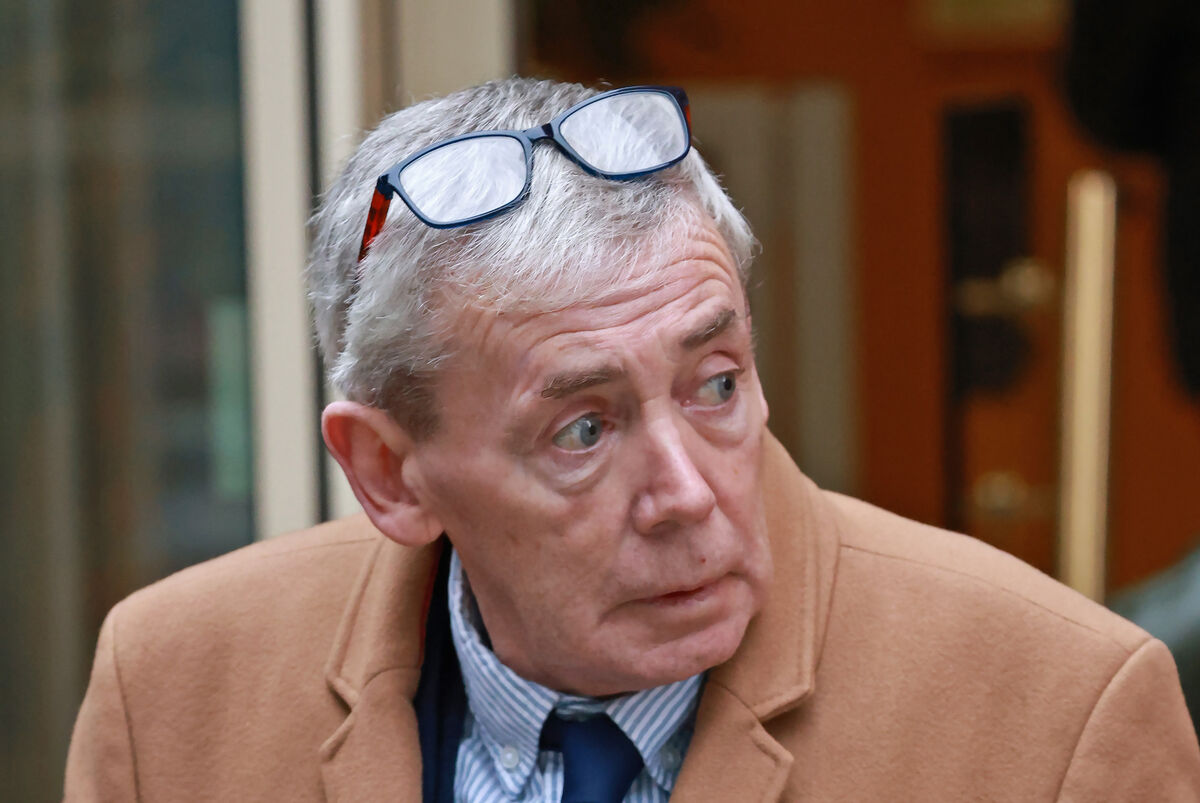
He recalled his son, who he described as “a softie,” was upset and crying and talking about someone who did something.
Mr Murphy gave evidence he always knew his son was suicidal but it seemed something was “tipping him over the edge”. He said he heard about someone threatening to come down to his son and burn his house.
“To this day, I’m kind of glad I never found out more,” said Mr Murphy.
The witness explained he had returned to Donaghmede for a number of years following the death of Jordan’s mother, Sharon, in 2015, to keep his son safe, despite hating living in the area.
Mr Murphy said he was also aware his son was using cocaine, although Jordan never discussed it with him as he knew he was “anti-drugs”. He concluded: “He was a kind young fellow who would do anything for everyone.”
Garda Gary Tuohy told the hearing on Monday there was a “legal impasse” to obtaining a warrant for permission to access and analyse the deceased’s mobile phone.
He explained to the coroner, Aisling Gannon, that a warrant could only be obtained in circumstances where a crime had been reported to gardaí.
However, Garda Tuohy confirmed Mr Dunbar had filed no such complaint prior to his death.
In reply to questions from the coroner, the witness said he had not engaged with the deceased’s family or friends to see if they knew passwords or codes to access the device.
Garda Tuohy said he was not aware of any other lines of investigation in relation to the matter.
Due to the “impasse”, Ms Gannon requested gardaí to engage with Mr Dunbar’s family separately to the coroner’s proceedings to see if the matter could be progressed, while noting the “predicament” in relation to a warrant.
However, the coroner said she was satisfied the inquest could be concluded with the information available.
The inquest heard that Mr Dunbar died from a lack of oxygen to the brain as a result of the mechanism of his suicide.
An autopsy also revealed traces of cocaine and opiates were found in his body.
The coroner was informed the deceased had been kept on life support for a number of days to facilitate the transplant of some of his organs, including his heart and kidneys, which his family agreed to donate.
Recording a verdict of death by suicide, Ms Gannon said she was satisfied the manner of death was self-inflected and intentional.
Offering her condolences to Mr Dunbar’s family and friends, the coroner expressed gratitude to them for sharing information which could assist gardaí in a future investigation.
- If you are affected by any of the issues raised in this article, please click here for a list of support services.

CONNECT WITH US TODAY



Be the first to know the latest news and updates