Bid to reform handover of prisoners on committal after vulnerable woman's death
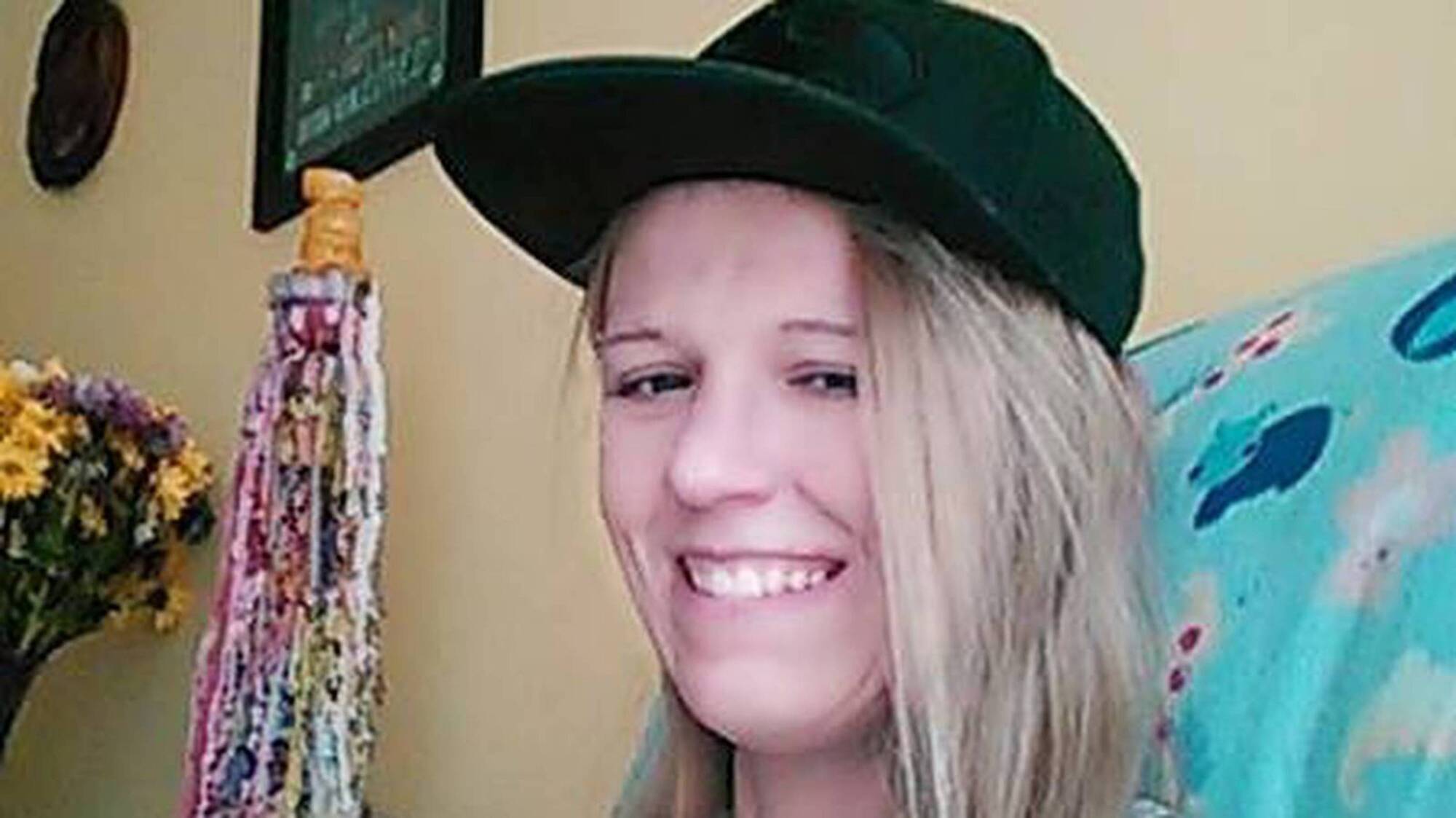
Monika Nawrat died in the Mater hospital on October 14, 2019, after attempting to take her life in Dóchas women’s prison nine days previously.
Gardaí and the Irish Prison Service are working on introducing a formal written record for the handover of prisoners on committal following the death of a vulnerable woman who attempted suicide just over 24 hours after being brought to the Dóchas Centre in Mountjoy five years ago.
An inquest heard there was a dispute between gardaí and prison officers over whether the prisoner, Monika Nawrat, had stated her intention to kill herself during the handover process in the reception area of the prison.
The 33-year-old mother of two, who had a history of mental illness and substance abuse, died in the Mater hospital in Dublin on October 14, 2019 — 10 days after she attempted to take her own life in a prison cell.
The Polish native was found in an unresponsive condition at 11.31pm on October 4, 2019, just over 24 hours after she had been committed to the Dóchas Centre when she did not have enough money to pay a €100 bail bond.
The inquest also heard Ms Nawrat had a troubled childhood and was diagnosed as suffering from severe depression and paranoid schizophrenia, as well as being a regular user of cannabis.
Around the time of her death, she also had financial pressures and was upset over not seeing her children, who resided with her ex-partner, Luckas Bogdan.
Ms Nawrat had previously been admitted to a psychiatric unit in Drogheda for a suicide attempt in June 2019.
The deceased, who had been living in Ireland for over 10 years, had been arrested at her home in Bettystown, Co Meath on October 3, 2019, on foot of a bench warrant issued the previous month for an alleged public order offence.
Ms Nawrat was remanded with consent to bail after being brought before a sitting of Trim District Court.
However, she was kept in custody after being unable to meet the €100 bail bond as she only had €5 in cash on her.
The deceased was brought by ambulance under a Garda escort to the Midlands Regional Hospital in Mullingar after she had self-harmed in a holding cell in Trim courthouse.
The prisoner was subsequently brought to the Dóchas Centre later that evening after being discharged by the hospital.
A Garda witness told a sitting of Dublin District Coroner’s Court Ms Nawrat had said she would kill herself during the committal process on her arrival at the prison but a Dóchas prison officer denied hearing such a comment.
The two-day inquest heard evidence a nurse who examined Ms Nawrat on the evening of her committal was satisfied that she was not at risk of immediate self-harm and assigned her to a “shared vulnerable cell” with two other prisoners.
However, she was on her own in the same cell the following evening after the other two prisoners were moved into the general prison population.
Ms Nawrat was checked every 15 minutes and CCTV evidence showed she had been seen by a prisoner officer eight minutes before being found in an unresponsive state.
The inquest heard the deceased had scraped a message which she signed and dated onto the wall of her cell in which she stated “I’m sorry” to her two children.
The governor of Mountjoy, Raymond Murtagh, told the coroner, Myra Cullinane, that any prisoner deemed at risk would have been assigned to a special observation cell but there was no formal process about the use of a “shared vulnerable cell”.
However, Mr Murtagh said he was unaware of any concerns about Ms Nawrat when he carried out a committal interview with her on the morning of October 4, 2019.
A prison doctor who examined her one hour later also raised no concerns about the prisoner.
The governor said he was not entitled to access detailed medical evidence about prisoners on the Prisoner Information Management System but he could read any information documenting healthcare assessments of prisoners on committal.
In reply to other questions, Mr Murtagh said it was not possible to remove all potential dangers within a prison cell to prevent prisoners from taking their own life as the IPS attempt to replicate “a normal living environment”.
A jury of five women and one man issued a number of recommendations after returning a verdict of suicide.
They included the use of a written record for the more effective transfer of information on committal to prison, particularly in relation to prisoners with significant medical needs as well as calling for the immediate involvement of medical staff in the care of such prisoners.
The jury also recommended TV brackets be removed when damaged TV sets were taken out of prison cells.
Offering her sympathy to the deceased’s ex-partner and her son who attended the hearing, Dr Cullinane said the most poignant evidence was how Ms Nawrat was thinking of her children and her love for them “at the very last moment of her life”.

CONNECT WITH US TODAY



Be the first to know the latest news and updates