Cork man with severe mental illness who tried to murder his mother is jailed
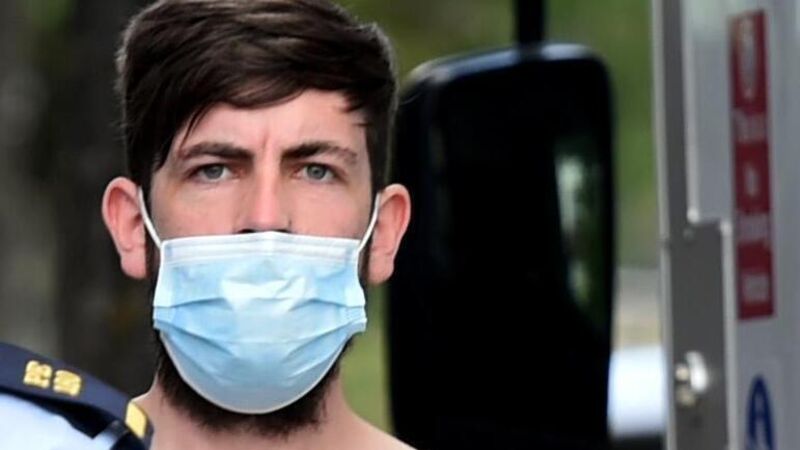
Gearóid Coughlan will undergo six years of supervision by probation and psychiatric services following his release or face a further two years in prison. File picture: Larry Cummins
A man with a severe psychiatric illness who tried to murder his mother and continues to pose a serious risk to his family and the public has been jailed for 10 years.
Gearóid Coughlan will undergo six years of supervision by probation and psychiatric services following his release or face a further two years in prison.

Mr Justice Paul McDermott said Coughlan, who has been detained at the Central Mental Hospital, would require further treatment before he could safely be reintroduced into society.
The judge said Coughlan lacked insight into his illness and did not understand that to avoid further relapses he needed to take prescribed medication and avoid alcohol and illicit drugs.
He noted Coughlan had been aggressive and violent towards numerous people, including his father, mother and hospital staff. The "appalling" attempted murder of his mother left her with catastrophic and life-long, physical and mental injuries and she is lucky to be alive, the judge said.
Mr Justice McDermott said Coughlan had opted not to pursue a defence under the Criminal Law (Insanity) Act which may have resulted in him being found not guilty by reason of insanity.
He said Coughlan had chosen to plead guilty to attempted murder because he would prefer to have a definite prison sentence rather than the indefinite period of detention in the Central Mental Hospital that would be imposed if he were found not guilty by reason of insanity.
The judge noted it was not possible under Irish law for him to impose an indefinite hospital order and said this was a matter that had yet to be addressed by the Oireachtas.
Last December, Coughlan, 32, of Ballycoughlan, Inishannon, Co Cork, pleaded guilty to attempting to murder his mother, Mary Coughlan, on June 4, 2021 at her home in Ballycoughlan.
At a sentencing hearing in March, Ms Coughlan criticised the mental health services.
She said she was frustrated people with paranoid schizophrenia were allowed to live in the community without the care they needed, in particular, to ensure they stick to their prescribed medication.
Ms Coughlan said a lack of communication regarding the level of risk posed by her son's disease left her in an "unexpected, dangerous situation where I endured a horrific assault that almost cost me my life and will continue to impact my life forever. The assault by my son, who I never feared before, resulted in severe injuries including a traumatic brain injury."