Prosecution claims accused 'drove through a stop sign striking Paudie Palmer's car'
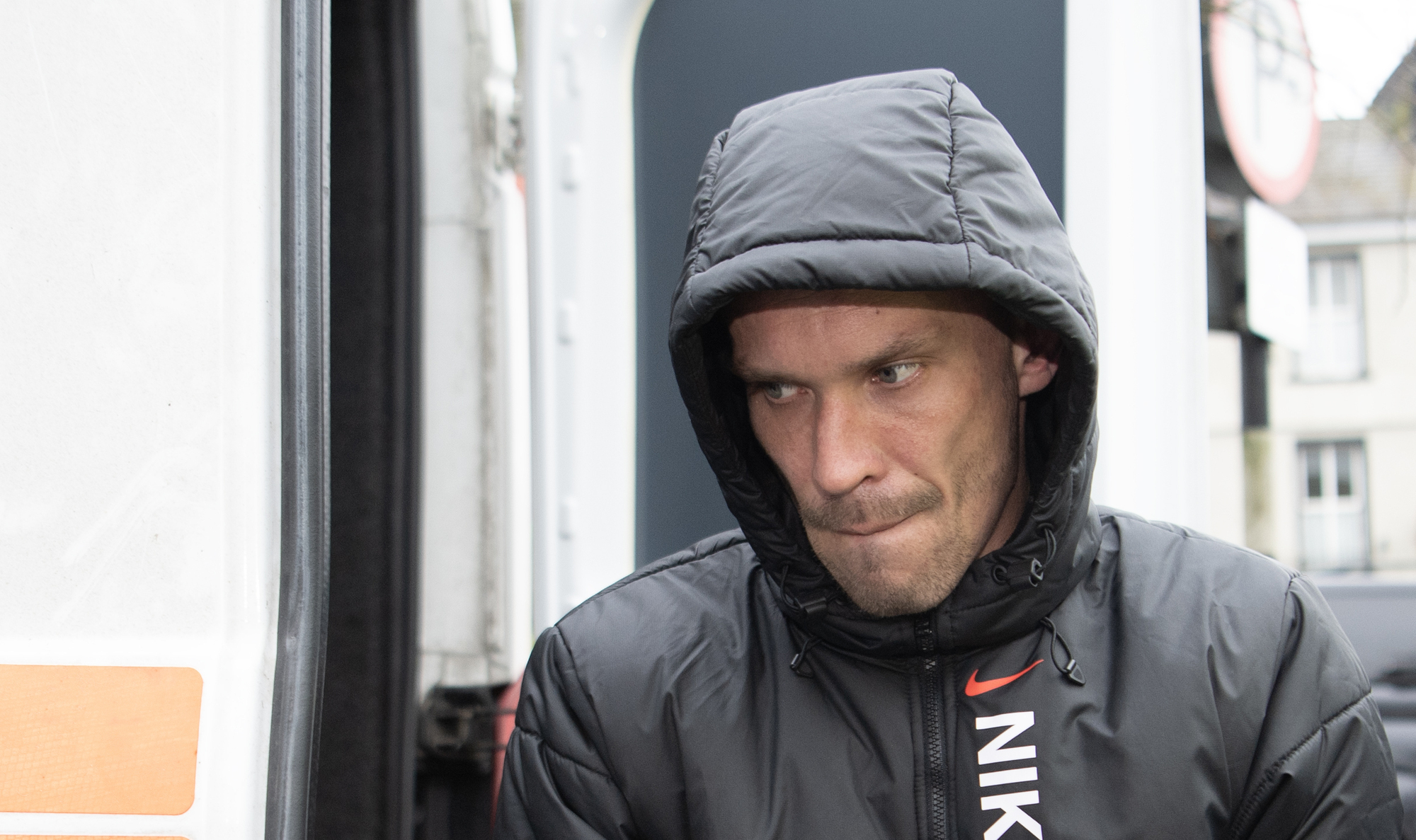
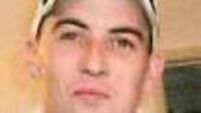
The prosecution said in its closing speech today that the jury could rely on eye-witness evidence from Bohdan Bezverkhyi (pictured) himself when he texted messages to friends on the day of Paudie Palmer's death. File picture: Dan Linehan
The prosecution said in its closing speech at the trial of a Ukrainian motorist who denies dangerous driving causing the death of GAA broadcaster Paudie Palmer that the jury could rely on eye-witness evidence from the accused man himself when he texted messages to friends on the day.
The defence emphasised the fact that the deceased was not wearing a seatbelt and that the late Mr Palmer was allegedly driving on the incorrect side of the road just before the collision at the junction.
33-year-old Bohdan Bezverkhyi, of Rigsdale House, Rigsdale, Ballinhassig, County Cork, denies the most serious charge of dangerous driving causing the death of Mr Palmer at Dunkereen Cross, Innishannon, Co Cork, on December 29, 2022. He pleaded guilty to five other charges related to his failure to remain at the scene and dangerous driving at another time and place — December 28, 2022, on the main Cork-Kerry road, the N22.
Prosecution barrister Brendan Kelly said the prosecution case was that “Mr Bezverkhyi went through the stop sign and struck Mr Palmer’s car — described as a granny driver by Colette Crowley who knew him — struck his car into the ditch.
“It is not the case that Mr Palmer’s car was on the wrong side of the road (before the collision). That is simply not true.
Mr Kelly said there was technical evidence as to the damage to the defendant’s 2.5-litre petrol-fuelled BMW and Mr Palmer’s Peugeot 206 after the collision which the jury could consider.
He said there was an ear-witness — the neighbour who heard a revving of a car driving along the road past her gate. Mr Kelly said it was the prosecution case that this was the sound of the defendant’s car before the collision.
“But you also have an eye-witness — Mr Bezverkhyi himself — when he texted numerous people that day. And he was speaking honestly then, talking to these individuals when he said ‘I blame myself for it… I left the scene of a traffic accident, drunk, there is no excuse for me, I am guilty of it all’. There is your eye-witness. There is the truth of it.
“What killed the late Mr Palmer was Mr Bezverkhyi driving at speed, going through a stop sign when he should not have, connecting with Mr Palmer’s car. Not wearing the seatbelt is not the thing that caused his death, it was the driving by Mr Bezverkhyi,” Mr Kelly said.
Seamus Roche, defence senior counsel, said of the late Mr Palmer in his closing speech to the jury: “If he was not wearing a seatbelt that would indicate a certain lack of care on his part, and I don’t wish to cause offence when I say that.”
Mr Roche said there were two aspects to the allegations in the contested charge, firstly that the driving was dangerous, and secondly that it caused Mr Palmer’s death.
“The accused was trying to edge out as best he could (at the junction to get better visibility). Perhaps he overdid it and makes a mistake but that does not amount to dangerous driving. That is the legal position.”
Mr Roche said the technical evidence on the examination of the cars and the crash scene by Garda Raymond Sweeney was “somewhat impenetrable” and did not identify the exact point of impact.
“The cause of death is highly sensitive. The evidence is there that Mr Palmer was not wearing a seatbelt. The pathologist, Dr Margaret Bolster, said that wearing seatbelts is very important. Injuries were consistent with being thrown about in the car.
"It is difficult evidence to hear. Nevertheless it is there. In my submission you have to consider this.
“Mr Bezverkhyi certainly indicates in interview that he left the scene because he was afraid, he was in shock. Perhaps he did not have the fortitude to remain at the scene. That is reprehensible. And perhaps there is bravado in what he said to others (in the texts).”
Judge Colin Daly will address the five women and seven men of the jury at Cork Circuit Criminal Court before they commence their deliberations on February 9.


CONNECT WITH US TODAY



Be the first to know the latest news and updates