Update laws to criminalise gangs 'spying on gardaí', says law expert
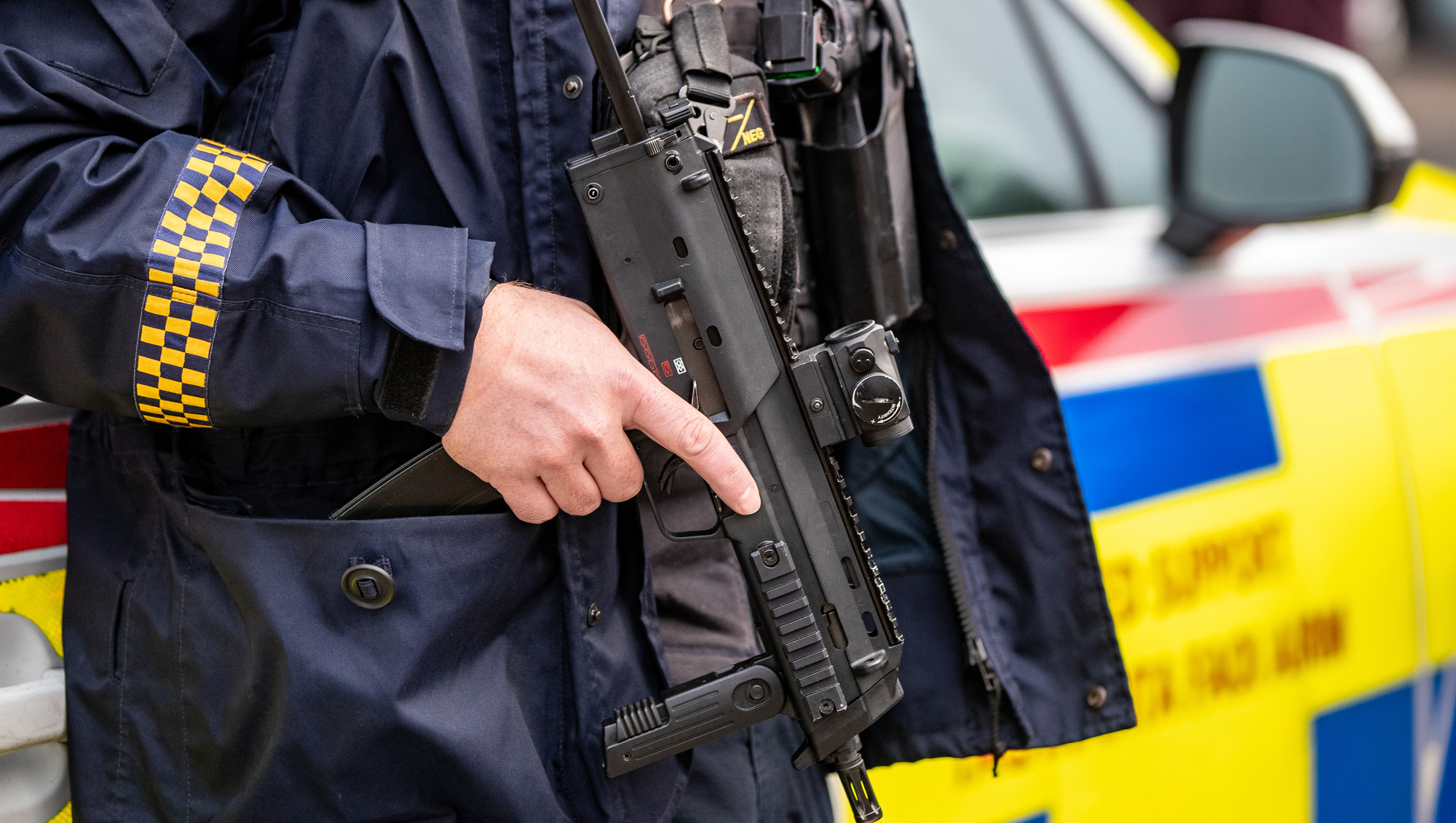
In his analysis, Ger Coffey identified a gap in the legislation covering the spy activities of gangs in a bid to thwart gardaí. File Picture: PA
Ireland’s surveillance laws need to be updated to make it illegal for criminal gangs to carry out counter surveillance on gardaí who they believe are spying on them, a legal expert has said.
Ger Coffey, an associate professor at the School of Law at the University of Limerick, said it was reasonable to assume organised crime groups were engaged in “highly sophisticated” counter surveillance on those conducting covert spy operations on them.

He said the existing laws — specifically the Criminal Justice (Surveillance) Act 2009 — should be amended in order to protect the gardaí involved in such sensitive operations.
In a detailed analysis of the act, Mr Coffey also highlighted other issues with the legislation:
- Procedures allowing security agencies to give internal approval for surveillance in emergency cases are “too lax” and should subsequently be subject to judicial examination;
- Complaints procedure is also "quite lax” in that, if a surveillance operation is effective the target would never know they are being spied upon and could not complain about it;
- Powers allow security agencies to place GPS tracking devices on a target vehicle for up to four months without external judicial approval or oversight
In a paper in the Athens Journal of Law, Mr Coffey said the 2009 act was “innovative” in that it established a formal process for the legal use of covert surveillance technical devices and for agencies to collect evidence from them to be used in court.
Prior to this act the product of surveillance could not be used as evidence in court and was conducted purely for intelligence purposes.
Mr Coffey said that the Law Reform Commission did recommend legislation for this area in 1996, but that no action was taken.
He said the 2009 Act was part of a “reactionary” response to a spike in gangland activity and part of a series of government measures.
He noted that proposed legislation was “heavily criticised” by the Irish Human Rights Commission.
In his analysis, Mr Coffey identified a gap in the legislation covering the spy activities of gangs in a bid to thwart gardaí.
“There seems to be a deficiency with the 2009 Act in that the legislation does not include offences for unlawful counter-surveillance carried out by organised crime gangs,” he said.
“It is reasonable to assume there is widespread use of counter-surveillance by serious criminals who become aware of covert surveillance policing and inevitably will employ highly sophisticated counter-surveillance methods.”
He added: “The 2009 Act may require legislative intervention not only to protect the integrity of lawful covert surveillance but also to safeguards members of the Garda Síochána in the performance of their statutory duties.”