High Court grants Micheál Martin's request to find out who is behind crypto scam ads
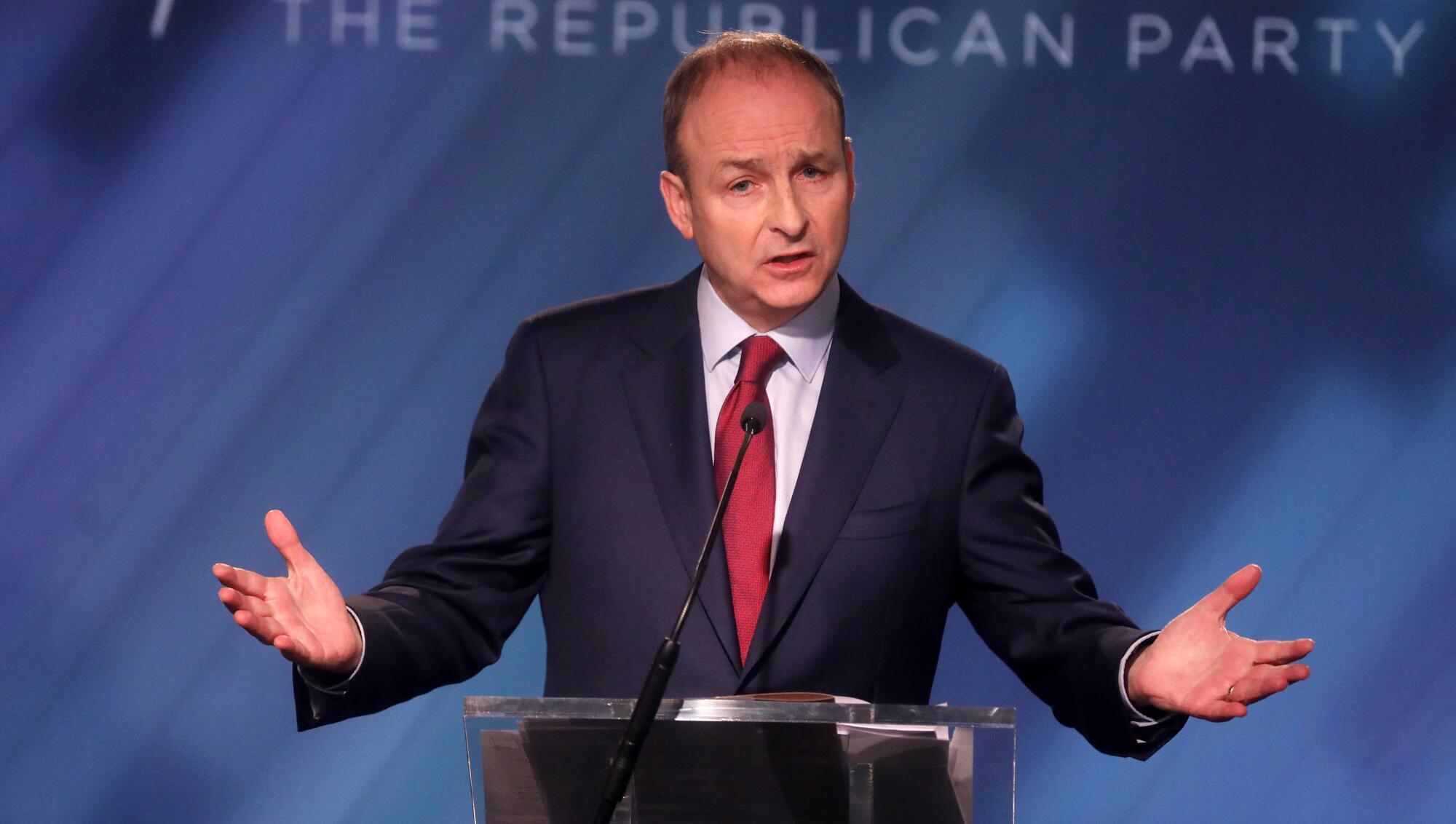
Micheál Martin wants names, email addresses, and telephone numbers relating to the relevant Google accounts which would help find those behind the adverts.
The High Court has granted a request by Tánaiste Micheál Martin to find out who is behind false adverts linking him to a cryptocurrency scam.
Mr Martin has also said there is an onus on large tech companies like Google to do all they can “to ensure their platforms and products are not weaponised by bad actors and scammers".
The Fianna Fáil leader had sought information from Google that would either directly or indirectly help him identify the persons or companies ultimately responsible for the display and publication of the advertisements.
In a statement today, Mr Martin said the ads in question are “completely unacceptable” and welcomed the granting of the High Court order which will ensure that he receives all information “pertaining to the false and misleading ads placed on the Google Ads platform earlier this year".
A Fianna Fáil spokesperson said: “The Tánaiste believes it is important that he took action in relation to these matters to ensure that these currently anonymous third parties will be held to account in relation to their efforts at promoting unregulated and dangerous financial products with potentially ruinous consequences to unsuspecting persons through linking these products to well known public figures such as the Tánaiste.
“Every citizen should be entitled to request and receive information relating to the bad actors behind these schemes.
“The Tánaiste also believes there is a significant onus on large tech companies, including Google, to do all they can to ensure their platforms and products are not weaponised by bad actors and scammers,” the spokesperson added.
He now awaits receipt of the relevant information from Google.
Last week Mr Martin, who is also Minister for Foreign Affairs and Minister for Defence, was given permission by the court to bring proceedings against Google Ireland Ltd and its parent Google LLC in which he sought the identity of those behind the ads.
In an earlier affidavit to the court, Mr Mart said the adverts were published on prominent websites last July and contained statements which he said would injure his reputation in the eyes of reasonable members of society.
The matter returned before the High Court on Thursday when Padraic Lyons SC said following discussions between the parties, an agreement had been reached.
The court could make a series of orders in favour of Mr Martin, to which Google was not objecting, counsel said.
The orders require Google to provide information including the names, email addresses, and telephone numbers relating to the accounts associated with relevant adverts.
Google must also prove details it has of any financial accounts or services used to pay the internet company or the publication of the adverts and details of any IP addresses from which the accounts were accessed in order to procure the publication of the adverts.
The information is to be provided to Mr Martin within 21 days.
Counsel said that Google, in accordance with its usual notice policies, may inform the owners of the accounts that placed the ads in advance of its intention to disclose the information to Mr Martin.
Mr Martin acknowledges Google will not be liable for any subscriber information provided that turns out to be false, incorrect, or misleading due to the fault of the relevant account holders, counsel said.
Mr Martin also agrees that if any of the information disclosed contains personal data, it will be held in accordance with all applicable data protection laws.
Counsel aid that the motion and the proceedings could be struck out, with no order as to costs.
Counsel said that both sides have liberty to return to the court in respect of the orders, should the need arise.
Eileen Barrington SC for Google said her side was neither objecting nor consenting to the orders being made by the courts.
The matter was before Mr Justice Mark Sanfey who welcomed the settlement of the action and said that the form of orders that the court had been asked to make were appropriate in the circumstances.
The judge after granting the orders formally struck out the action.
Last week the High Court heard since a complaint was made to Google the ads have been taken down and "the advertiser’s accounts suspended under the platform’s “egregious policy violations”.
Google has told Mr Martin’s lawyers such ads are part of a "global trend" of "scammy bad actors trying to deceive users by enticing them to click into an ad by using popular figures/celebrities along with provocative text or content".
Google also said it could not under law produce user/customer data to a third party, irrespective of their circumstances, without a court order that it do so.
In his sworn statement to the court, Mr Martin said he was most disquieted at the apparent increase in the online publication of disinformation and deceptive material relating to public and political figures in the State.”
“While I'm very concerned at the specific reputational damage caused to me by the relevant advertisements, I also have a broader concern that publication of misleading online content relating to politicians by anonymous persons whether prompted by nefarious political or financial motives has the potential to erode trust in the political system and to disrupt and disfigure public life in the State,” he said.
He said the false association may have caused “or certainly had the potential to cause significant damage to his public goodwill and reputation as a public representative". He said there is a strong public interest in facilitating his attempts “to identify the wrongdoers and to hold them legally responsible for the creation and publication of the deliberately misleading material".
Such a court order, he said would also deter “further attempts at spreading online misinformation by persons who believe that their anonymity provides them with immunity from legal consequence".
CONNECT WITH US TODAY



Be the first to know the latest news and updates