Spike in use of 'single separation' as Oberstown nears full capacity
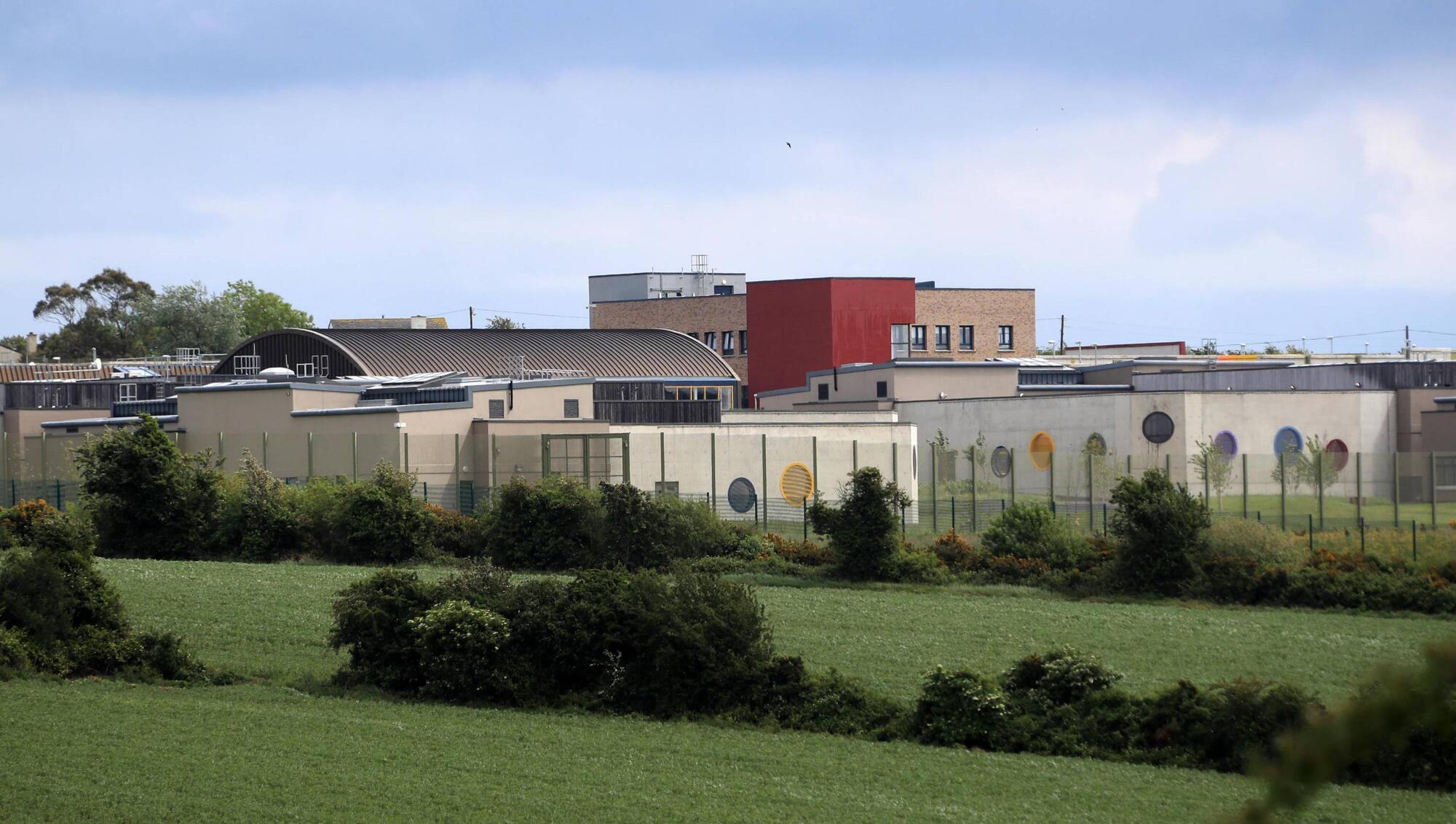
Oberstown Youth Detention Centre in north Co Dublin saw 129 incidents of single separation in March involving 28 of the 50 young people who were detained there that month. Picture: Colin Keegan, Collins Dublin.
The number of people placed in single separation at the country’s main youth detention centre soared to its highest level in more than four years in March — with staff attributing the situation to Oberstown being almost at capacity.
Figures show there were 129 single separations at the Oberstown Children Detention Campus in March, the highest monthly total since April 2019, when 115 single separations took place.
While overcrowding has become a serious issue across the general prison system, those in charge at Oberstown said there was no overcrowding at the north Dublin campus — but that it is operating at close to full capacity.
Single separation is used when a young person is likely to cause significant harm to themselves or others, or is likely to cause significant damage to property that would compromise security.
Its practical application varies and, according to a spokesperson for Oberstown, it can often simply mean a young person is taken aside and spends some time with a staff member so as to de-escalate certain situations.
"It does not necessarily mean a young person is removed from their peers for a prolonged period of time,” said the spokesperson.
There has been a considerable reduction in the use of single separation in recent years, and in January of this year, just 48 single separations took place.
However, there was a 60% increase between February and March, with 129 incidents in March involving 28 of the 50 young people who were detained in Oberstown that month.
According to the spokesperson: “Overall, March was an extremely busy month, with a population of 50 young people coming through the campus throughout the month.
"There was a high turnover of population, which can create tensions which manifest as disruptive behaviours as new groups form and young people settle into their routines and peer groups.
"It is noteworthy that of the 50 young people who came through the campus in March, almost half did not require management through any form of restrictive practice.”
The number of physical interventions in March also increased, up from five in February to 15, but the spokesperson said: "Despite the spike in single separations, a relative spike in physical interventions has not occurred.
The occupancy level of 50 in March was the highest at the facility since November 2020, when 51 young people were detained there.

CONNECT WITH US TODAY



Be the first to know the latest news and updates