Phone data evidence should be dismissed in attempted murder case, court hears
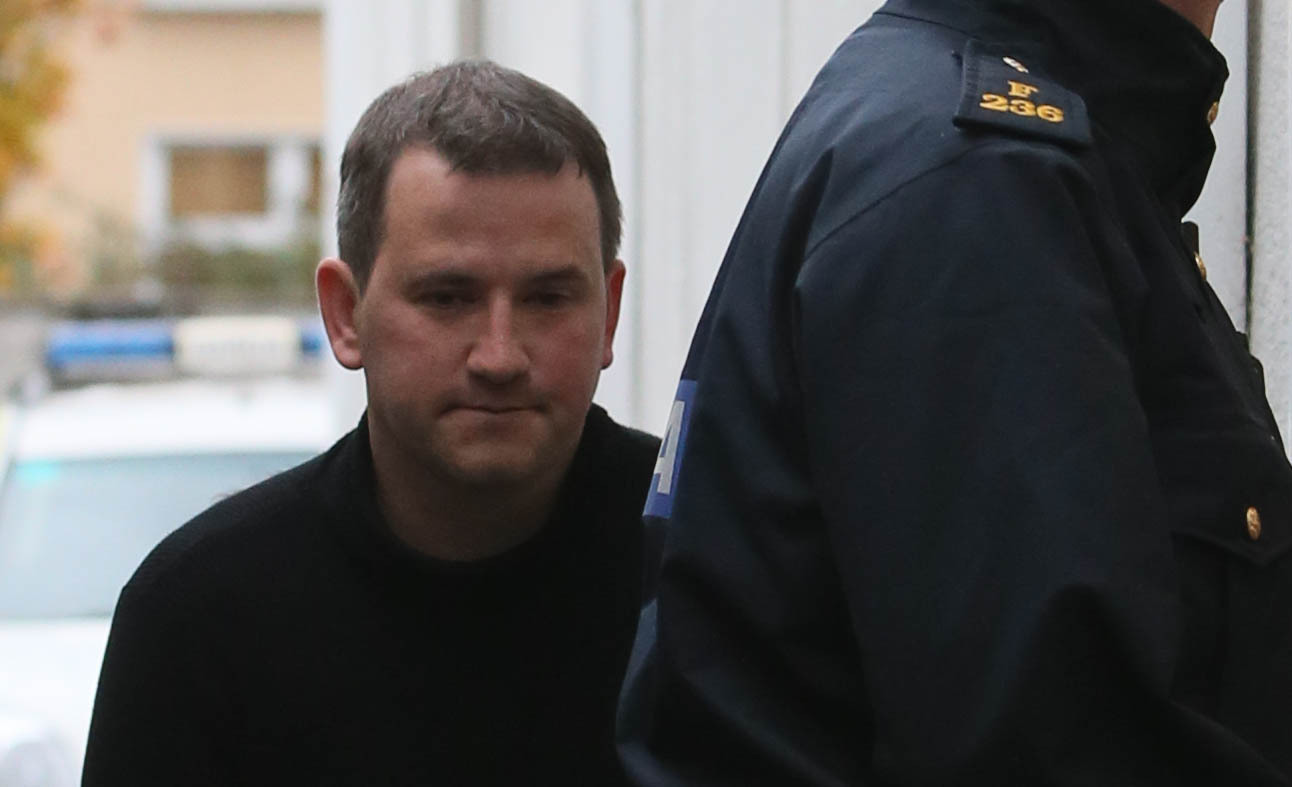
The records, used to connect phones to the co-accuseds, were retained and accessed pursuant to a 2011 Irish law — the same regime under which call data evidence was obtained as part of the case against Graham Dwyer, who was convicted in 2015 for the murder of childcare worker Elaine O’Hara. Picture: Niall Carson/PA
Mobile phone data used to secure Special Criminal Court convictions of two men for involvement in an attempted murder should be deemed inadmissible, a seven-judge Supreme Court has been told.
The records, used to connect phones to the co-accuseds, were retained and accessed pursuant to a 2011 Irish law — the same regime under which call data evidence was obtained as part of the case against Graham Dwyer, who was convicted in 2015 for the murder of childcare worker Elaine O’Hara.

The appeals of Caolan Smyth, 30, and Gary McAreavey, 55, are likely to have implications for any potential Supreme Court appeal Dwyer may seek over his conviction.
Dwyer’s conviction appeal was dismissed last month by the Court of Appeal on all grounds, including in relation to the admissibility of mobile phone call data records.
Smyth is appealing against his 2021 conviction for the attempted murder in May 2017 of James 'Mago' Gately and possession of a firearm with intent to endanger life, while co-accused McAreavey is seeking to overturn his conviction for the offence of assisting an offender.
Smyth was jailed for 20 years, while McAreavey received a three-year sentence. Both denied the charges.
The prosecution used phone data to connect an unregistered phone to Smyth, to correlate the car’s movements with cell sites and to show contact with another unregistered phone attributed to McAreavey. Neither man conceded ownership of the phones.
Speaking in the Supreme Court yesterday, John Fitzgerald, for Smyth, said the evidence was obtained as part of a “systemic breach” of law when infirmities in the Communications (Retention of Data) Act 2011 were “well known”.
The 2020 trial of Smyth and McAreavey that came before the Court of Justice of the EU (CJEU) upheld Dwyer’s challenge to the legality of Ireland’s metadata system set out in the provisions of the 2011 Act.
However, Mr Fitzgerald submitted, there were earlier warnings from Europe about the law, albeit that required clarification, so the breach of rights on the part of the State “could not be said to be unconscious”.
“Was it appropriate for the State to wait until it was entirely clear about the legislation” before ceasing to rely on it, he asked, before answering: “I say that is inexcusable.”
Mr Fitzgerald said there should have been an acknowledgment at the trial of a breach of the co-accuseds’ rights and the prosecution should have brought an application seeking to admit the phone evidence despite this breach.
The co-accuseds were put in an “invidious position” by being unable to challenge the breach of their rights unless they accept a plank of the prosecution’s case, that the phones belonged to them.
The Director of Public Prosecutions is due to make submissions on Wednesday.