Manslaughter trial in Cork told deceased 'was a bad candidate for a fall'
Hospital records had noted that the deceased had been admitted a month earlier for a head injury
Manslaughter trial in Cork told deceased 'was a bad candidate for a fall'

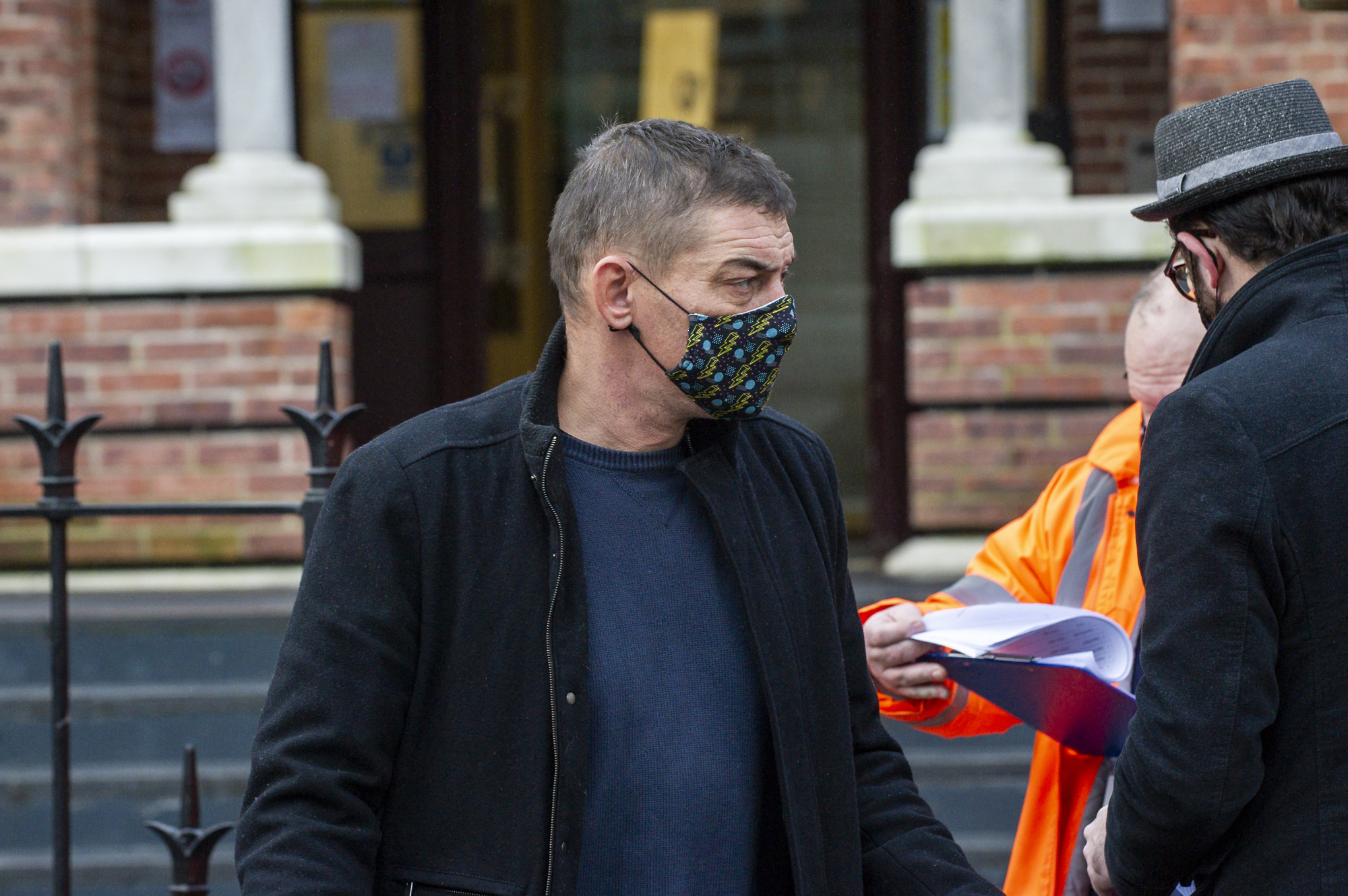
Adrian Henry told detectives: “The worst I done was drag him to the ground and point my finger at him. I will not confess to something I did not do." Photo: Cork Courts Limited

The pathologist in a Cork city centre manslaughter trial agreed with the defence that there were no bruises or external signs of assault on the deceased man’s body and also that because of underlying conditions he would have been a bad candidate for any fall.

Adrian Henry of Seminary Road, Blackpool, Cork, is charged with the manslaughter of James Duncan, 40, at St Patrick’s Street in Cork on September 12, 2019. He denies the manslaughter and is on trial at Cork Circuit Criminal Court before Judge Helen Boyle and a jury of eight men and four women. The late James Duncan was from Dunmore Gardens, Knocknaheeny in Cork.

Dr Beng Ong, the pathologist who carried out the post-mortem examination on the deceased, gave evidence by video link from Australia.

“I was informed that the deceased had died after about six weeks in hospital. I was shown CCTV footage of the scene which I was told was a soup kitchen. I was shown an image of what appears to be the deceased being dragged by the alleged perpetrator into an area not viewed further by the CCTV.

“After that, he was observed to be conscious. I was then shown other footage where I was told it was roughly half an hour later from the first incident. I observed him to be leaning on a car. His head was observed falling backwards against the rear windscreen. His legs appeared to buckle. He slid down onto the ground. I could not see how he ended on the ground and if his head has impacted on the ground,” Dr Ong said.

From medical notes from Mercy University Hospital, he said: “Doctors did not observe any external head injury. A CT scan showed a subdural haemorrhage.” On admission, he was found to be at the deepest level of coma.

From hospital records, he noted that the deceased had been admitted a month earlier for a head injury and intracranial bleed but was discharged after observation.

At the end of his direct evidence, Dr Ong said: “It is possible that he may have sustained a haemorrhage during the assault and behaved fairly normally before collapse.” Cross-examined by defence senior counsel, Tom Creed, the pathologist agreed that there were no external signs to show evidence of any assault on his head or body.

“The late Mr Duncan was a bad candidate for a fall because of various conditions,” Mr Creed said. The pathologist agreed.

Because of a subarachnoid haemorrhage in 2004, the deceased’s blood vessels were stretched as a result of shrinkage of the brain and he also had a low number of platelets in his blood which put him more at risk from bleeding as the natural clotting agent was low.

Mr Creed also said it was established that Adrian Henry (pictured) threw the deceased on the ground but there was no evidence that his head struck the ground. Photo: Cork Courts Limited

Mr Creed also said it was established that Adrian Henry threw the deceased on the ground but there was no evidence that his head struck the ground.

“If there has been no head trauma during that episode there would be no subdural haematoma,” Mr Creed said and the doctor agreed.

“Because of the pre-existing conditions you describe, all of that could lead you to conclude that even a minor trauma such as the fall by the car leading to a head strike would be enough for a man in this condition to suffer a subdural haematoma,” Mr Creed said. 

Dr Ong replied: “Yes.” The 49-year-old accused told detectives: “The worst I done was drag him to the ground and point my finger at him. I will not confess to something I did not do. Yes, I pushed him to the ground but I did not hurt James Duncan. I did not harm James Duncan. All I did was take him by the scruff and dragged him to the kerb. He was on his arse and I left him."

The trial continues.

More in this section

Lunchtime News

Newsletter

Keep up with stories of the day with our lunchtime news wrap and important breaking news alerts.

Cookie Policy Privacy Policy Brand Safety FAQ Help Contact Us Terms and Conditions

© Examiner Echo Group Limited