Drug officials may examine wastewater to identify dangerous substances in circulation
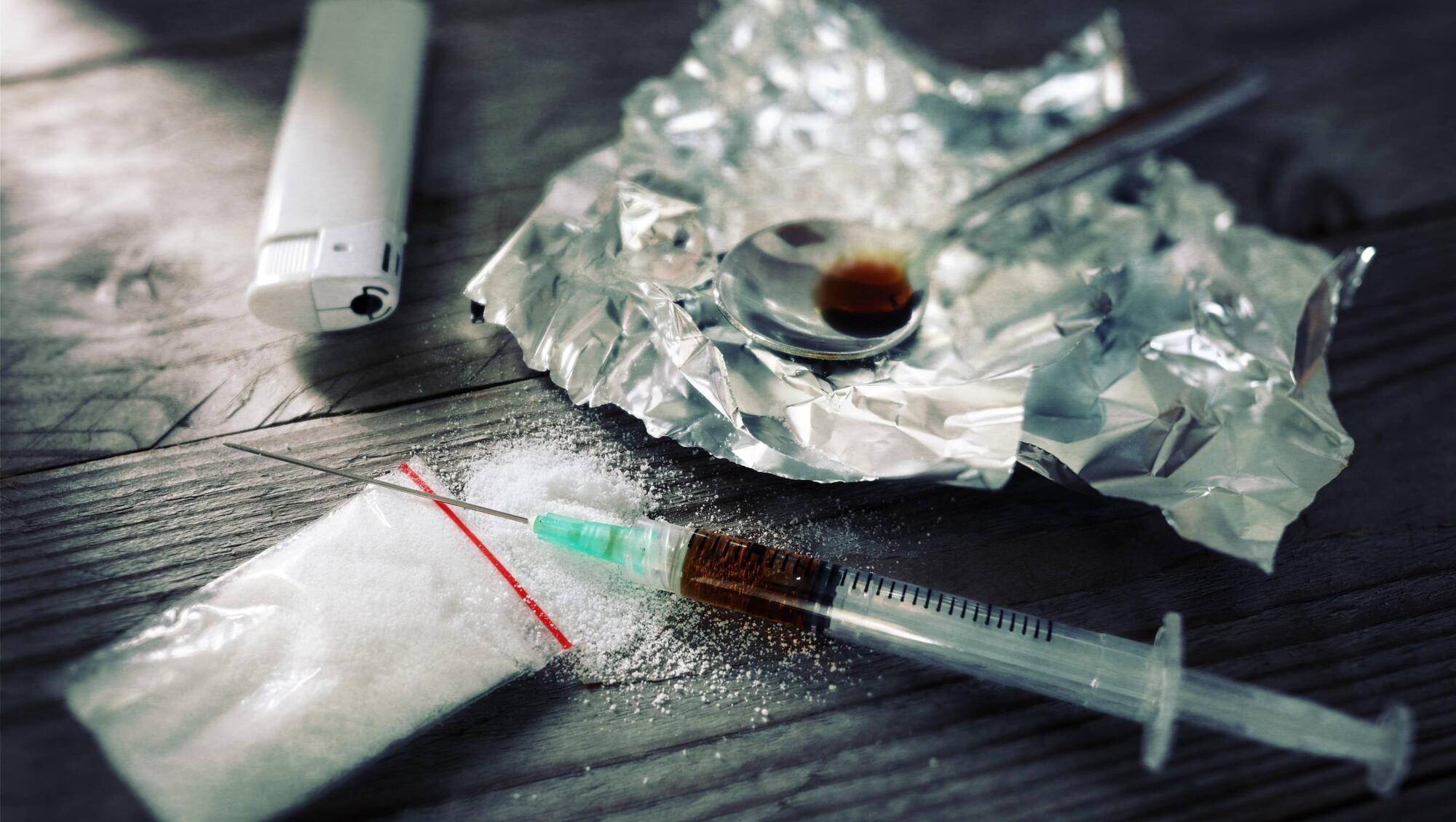
HSE drug officials are looking at examining wastewater and used syringes as part of a wider plan to warn users of any dangerous substances in circulation. Picture: iStock
HSE drug officials are looking at examining wastewater and used syringes as part of a wider plan to warn users of any dangerous substances in circulation.
The HSE is also trying to improve information flows from hospitals to gather data on substances ingested by people brought to emergency departments.
In addition, the health agency wants to introduce a pilot drug checking system to gather information on the types of substances in the market and being taken by users and potential users.
Speaking at a webinar on drug trafficking, Nicki Killeen of the HSE National Social Inclusion Office said these measures come against a background both of increasing purity of ecstasy and cocaine but also other chemicals often being sold as ecstasy (MDMA).
Wastewater analysis is conducted extensively across the EU and in the last mass testing in 2020, 82 cities across 18 member states took part.
Ireland has yet to become part of this system, which enables scientists to estimate types of drugs consumed, how much and fluctuations in weekly patterns.
Drug checking is used in many EU countries and the HSE last September recommended a limited pilot checking system which would allow scientists to analyse drugs that have been anonymously dropped into amnesty bins at festivals.
A HSE-led working group was set up on the back of severe reactions, including deaths, at music festivals in Britain during 2018 and 2019.
The report said the backing of An Garda Síochána and the Department of Justice was “required” for the pilot to go ahead, noting law enforcement barriers “remain an obstacle”.
The HSE is keen for the harm reduction tool to go ahead and hope, if it proves successful, that more comprehensive drug checking systems at festivals could be considered, where users could safely hand over drugs to scientists at events and wait for results.
Ms Killeen said her section was examining how “can we quickly respond” to drug market trends and alert users to threats.
She said they were “going in the direction” of syringe analysis, wastewater analysis, hospital presentations and drug checking.
She told the conference that more than 52,000 crack pipes had been provided by the HSE to crack users between January 2020 and September 2021. She said this reflected the number of harm reduction interventions rather than the number of users.
Detective Chief Superintendent Angela Willis told the webinar, organised by SAR Consultancy, that Garda Commissioner Drew Harris had set up Operation Tara in July 2021.
The former head of the Garda National Drugs and Organised Crime Bureau (DOCB) said this operation involved “replenishing divisional drug units” with the purpose of targeting all levels of the drugs trade, including at street level, with an emphasis on victims.
Chief Supt Willis, who now heads the National Bureau of Criminal Investigation, said drug-related intimidation had become “prevalent” in recent years.
She said the DOCB sits on the national early warning emerging trends committee, with the HSE and others, to monitor trends.
CONNECT WITH US TODAY



Be the first to know the latest news and updates